
CONTACT US
SEARCH WHAT YOU WANT
A commercial cleaning robot is an autonomous service vehicle engineered to perform floor maintenance, surface disinfection, or debris removal in professional and industrial environments. Unlike residential robotic vacuums, these systems are industrial-grade machines designed for high-duty cycles, large-square-footage coverage, and integration into complex facility management workflows.
In the modern landscape of smart buildings, these robots represent a shift from manual labor to data-driven autonomous maintenance. For facility managers and B2B consultants, understanding the core architecture of these units is essential for evaluating operational efficiency and total cost of ownership (TCO).
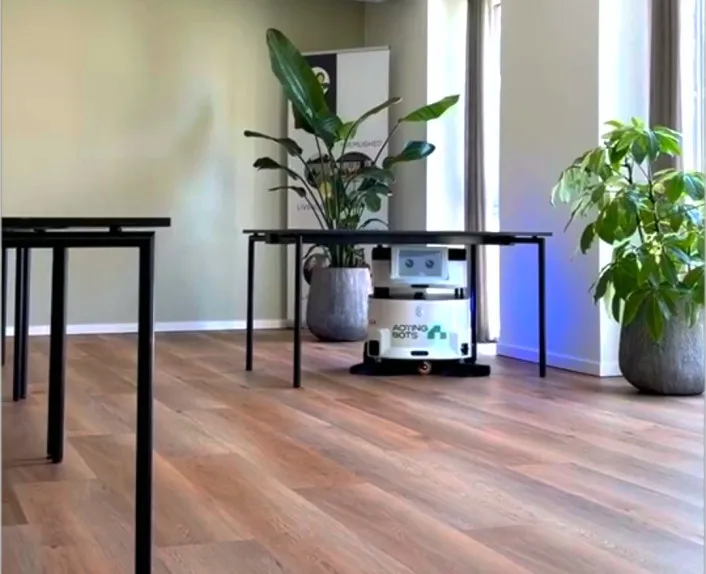
The fundamental capability of a commercial cleaning robot lies in its navigation stack. Most modern units utilize SLAM (Simultaneous Localization and Mapping) technology. This allows the robot to build a blueprint of an unknown environment while simultaneously tracking its own location within that space.
This navigation is powered by a fusion of high-precision sensors:
Lidar (Light Detection and Ranging): Scans the surroundings to detect walls, pillars, and moving obstacles.
Depth Cameras (3D Vision): Identifies low-profile obstacles and recognizes different floor types.
Ultrasonic Sensors: Provides redundant proximity detection for glass surfaces that Lidar might miss.
Cliff Sensors: Prevents the unit from falling down stairs or docking bay ledges.
When deployed, the robot processes this sensor data via onboard AI to calculate the most efficient cleaning path, avoiding "blind spots" often left by human operators.
Commercial environments vary from high-traffic retail centers to sterile medical facilities. Consequently, the industry classifies robots based on their specific mechanical cleaning functions.
As seen in advanced professional product lines, machines are typically categorized into three primary functional types:
Autonomous Scrubbers: Designed for hard floors (marble, epoxy, tile). They utilize water tanks, detergent dispensers, and rotating brushes to remove stains, followed by a squeegee system to leave the floor dry.
Autonomous Sweepers: Engineered for warehouses and outdoor plazas. These units focus on collecting large debris, dust, and industrial waste into high-capacity hoppers.
Autonomous Vacuums: Specialized for carpeted areas in hotels and office buildings, utilizing high-suction motors and HEPA filtration to maintain indoor air quality.
Many leading-edge units now offer all-in-one capabilities, integrating sweeping, scrubbing, and dry mopping into a single chassis to maximize machine utilization rates.
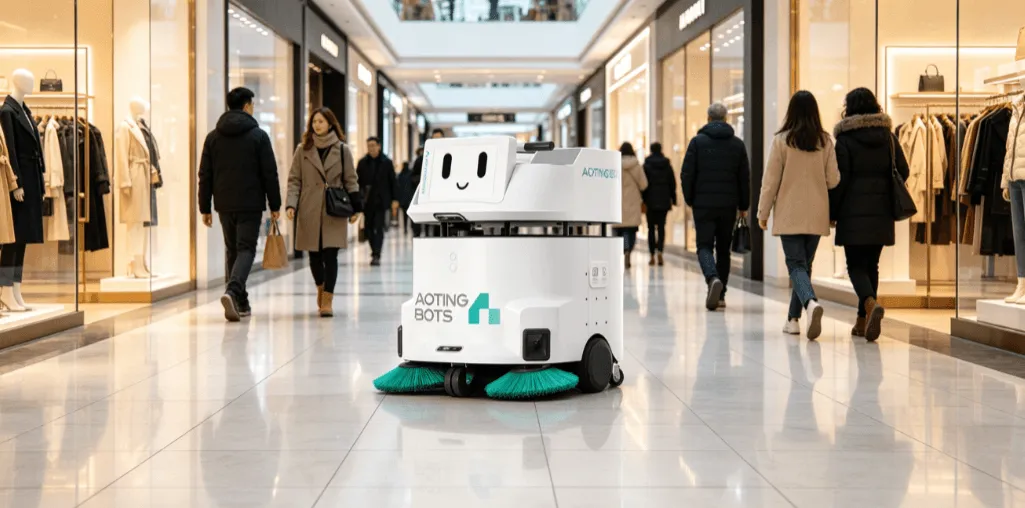
A commercial cleaning robot is rarely a standalone tool; it is a node within an IoT (Internet of Things) network. Professional systems operate through a three-tier management logic:
1. Mapping and Path Planning
Operators can choose between "Teach-and-Repeat" (manually driving the robot once to record a path) or "Auto-fill" (allowing the robot to calculate its own grid for an open area).
2. Automated Docking and Maintenance
To achieve true autonomy, robots return to a docking station when the battery is low or when water tanks need attention. Advanced models feature automated water discharging and refilling, significantly reducing the "human-touch" requirement.
3. Cloud Analytics and Reporting
Managers can access real-time cleaning reports, tracking the exact square footage cleaned, water consumption, and component health. This data is vital for meeting compliance standards in regulated industries like food processing or healthcare.
The deployment of autonomous cleaning solutions is determined by the specific constraints of the environment. In large-volume production facilities, robots operate in low-light conditions or during off-peak hours to maintain safety.
Warehousing & Logistics: Robots handle heavy-duty dust management in expansive aisles where manual cleaning would disrupt forklift traffic.
Healthcare Facilities: Beyond floor care, robots equipped with UV-C lights or dry-mist sprayers perform medical-grade disinfection in patient wards.
Transportation Hubs: Airports use high-capacity scrubbers to maintain polished aesthetics in 24/7 high-traffic terminals.
By standardizing the cleaning process, these robots ensure that "cleanliness" is no longer subjective but a measurable KPI (Key Performance Indicator).
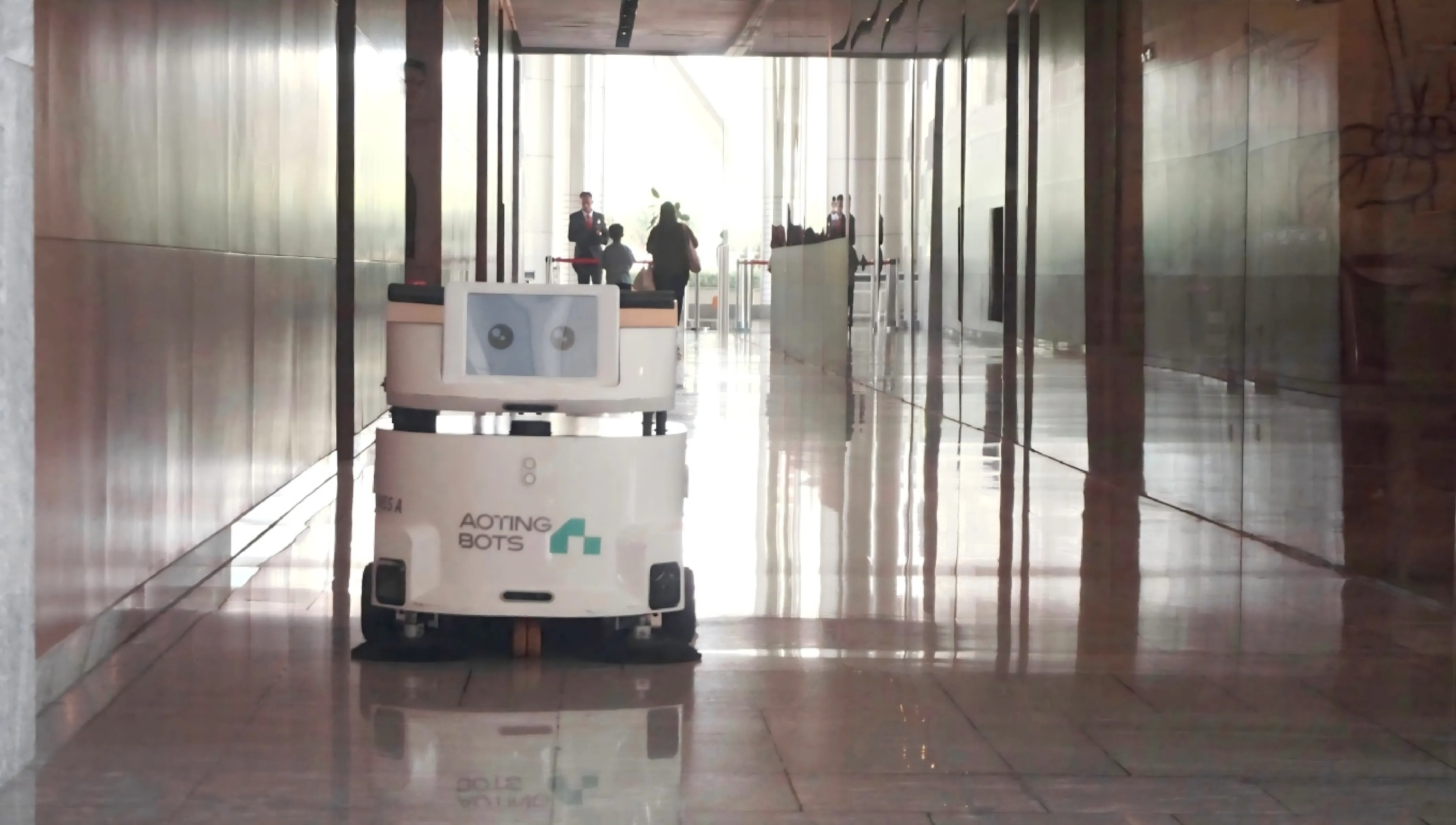
How does a commercial cleaning robot handle obstacles in high-traffic areas?
The robot uses multi-sensor fusion (Lidar and 3D cameras) to detect moving objects in real-time. If a person or cart crosses its path, the AI instantly calculates a bypass route or stops safely until the path is clear.
What is the typical battery life for industrial cleaning robots?
Most professional units are equipped with high-density lithium batteries, offering between 4 to 8 hours of continuous operation. Integrated autonomous docking allows them to recharge and resume cleaning without manual intervention.
Can these robots clean different types of flooring in one session?
Yes, many advanced commercial robots feature adaptive brush pressure and sensor-driven floor recognition. This allows them to transition from hard surfaces to low-pile carpets while adjusting their cleaning parameters accordingly.
How do you map a new building for the robot?
Mapping is typically done during the initial setup. A technician drives the robot through the facility, or the robot uses its SLAM sensors to perform a "discovery" lap, creating a digital twin of the environment in the cloud management system.
Do these robots require a constant Wi-Fi connection?
While robots can clean and navigate offline using onboard processing, a Wi-Fi or 4G/5G connection is necessary for cloud reporting, remote monitoring, and receiving software updates.
ISO 13482:2014: Safety requirements for personal care robots (Service Robots).
IEEE Robotics and Automation Society: Whitepapers on Autonomous Navigation in Industrial Spaces.
RIA (Robotic Industries Association): Standards for Mobile Robot Safety.
Technical Specifications: Commercial Service Robot Product Data.
SGS Certification: Industrial standards for water recycling and HEPA filtration in autonomous scrubbers.
A commercial cleaning robot is an autonomous service vehicle engineered to perform floor maintenance, surface disinfection, or debris removal in professional and industrial environments. Unlike residential robotic vacuums, these systems are industrial-grade machines designed for high-duty cycles, large-square-footage coverage, and integration into complex facility management workflows.
In the modern landscape of smart buildings, these robots represent a shift from manual labor to data-driven autonomous maintenance. For facility managers and B2B consultants, understanding the core architecture of these units is essential for evaluating operational efficiency and total cost of ownership (TCO).
The fundamental capability of a commercial cleaning robot lies in its navigation stack. Most modern units utilize SLAM (Simultaneous Localization and Mapping) technology. This allows the robot to build a blueprint of an unknown environment while simultaneously tracking its own location within that space.
This navigation is powered by a fusion of high-precision sensors:
Lidar (Light Detection and Ranging): Scans the surroundings to detect walls, pillars, and moving obstacles.
Depth Cameras (3D Vision): Identifies low-profile obstacles and recognizes different floor types.
Ultrasonic Sensors: Provides redundant proximity detection for glass surfaces that Lidar might miss.
Cliff Sensors: Prevents the unit from falling down stairs or docking bay ledges.
When deployed, the robot processes this sensor data via onboard AI to calculate the most efficient cleaning path, avoiding "blind spots" often left by human operators.
Commercial environments vary from high-traffic retail centers to sterile medical facilities. Consequently, the industry classifies robots based on their specific mechanical cleaning functions.
As seen in advanced professional product lines, machines are typically categorized into three primary functional types:
Autonomous Scrubbers: Designed for hard floors (marble, epoxy, tile). They utilize water tanks, detergent dispensers, and rotating brushes to remove stains, followed by a squeegee system to leave the floor dry.
Autonomous Sweepers: Engineered for warehouses and outdoor plazas. These units focus on collecting large debris, dust, and industrial waste into high-capacity hoppers.
Autonomous Vacuums: Specialized for carpeted areas in hotels and office buildings, utilizing high-suction motors and HEPA filtration to maintain indoor air quality.
Many leading-edge units now offer all-in-one capabilities, integrating sweeping, scrubbing, and dry mopping into a single chassis to maximize machine utilization rates.
A commercial cleaning robot is rarely a standalone tool; it is a node within an IoT (Internet of Things) network. Professional systems operate through a three-tier management logic:
1. Mapping and Path Planning
Operators can choose between "Teach-and-Repeat" (manually driving the robot once to record a path) or "Auto-fill" (allowing the robot to calculate its own grid for an open area).
2. Automated Docking and Maintenance
To achieve true autonomy, robots return to a docking station when the battery is low or when water tanks need attention. Advanced models feature automated water discharging and refilling, significantly reducing the "human-touch" requirement.
3. Cloud Analytics and Reporting
Managers can access real-time cleaning reports, tracking the exact square footage cleaned, water consumption, and component health. This data is vital for meeting compliance standards in regulated industries like food processing or healthcare.
The deployment of autonomous cleaning solutions is determined by the specific constraints of the environment. In large-volume production facilities, robots operate in low-light conditions or during off-peak hours to maintain safety.
Warehousing & Logistics: Robots handle heavy-duty dust management in expansive aisles where manual cleaning would disrupt forklift traffic.
Healthcare Facilities: Beyond floor care, robots equipped with UV-C lights or dry-mist sprayers perform medical-grade disinfection in patient wards.
Transportation Hubs: Airports use high-capacity scrubbers to maintain polished aesthetics in 24/7 high-traffic terminals.
By standardizing the cleaning process, these robots ensure that "cleanliness" is no longer subjective but a measurable KPI (Key Performance Indicator).
How does a commercial cleaning robot handle obstacles in high-traffic areas?
The robot uses multi-sensor fusion (Lidar and 3D cameras) to detect moving objects in real-time. If a person or cart crosses its path, the AI instantly calculates a bypass route or stops safely until the path is clear.
What is the typical battery life for industrial cleaning robots?
Most professional units are equipped with high-density lithium batteries, offering between 4 to 8 hours of continuous operation. Integrated autonomous docking allows them to recharge and resume cleaning without manual intervention.
Can these robots clean different types of flooring in one session?
Yes, many advanced commercial robots feature adaptive brush pressure and sensor-driven floor recognition. This allows them to transition from hard surfaces to low-pile carpets while adjusting their cleaning parameters accordingly.
How do you map a new building for the robot?
Mapping is typically done during the initial setup. A technician drives the robot through the facility, or the robot uses its SLAM sensors to perform a "discovery" lap, creating a digital twin of the environment in the cloud management system.
Do these robots require a constant Wi-Fi connection?
While robots can clean and navigate offline using onboard processing, a Wi-Fi or 4G/5G connection is necessary for cloud reporting, remote monitoring, and receiving software updates.
ISO 13482:2014: Safety requirements for personal care robots (Service Robots).
IEEE Robotics and Automation Society: Whitepapers on Autonomous Navigation in Industrial Spaces.
RIA (Robotic Industries Association): Standards for Mobile Robot Safety.
Technical Specifications: Commercial Service Robot Product Data.
SGS Certification: Industrial standards for water recycling and HEPA filtration in autonomous scrubbers.
CONTACT US
we aim to become a global leader in manufacturer space service robotics and artificial intelligence.


