
CONTACT US
SEARCH WHAT YOU WANT
The rise of automation has transformed how we maintain large-scale commercial and industrial spaces. A waterless cleaning robot is a specialized autonomous machine designed to clean surfaces without liquid detergents. These devices are becoming essential in environments where moisture poses a significant risk. They offer a sustainable alternative to traditional mopping while ensuring high hygiene standards.

Traditional cleaning methods often rely on water to suspend and remove dirt. However, a waterless cleaning robot utilizes advanced suction and mechanical agitation. This approach prevents the growth of mold and eliminates slip-and-fall hazards. Many facilities now prioritize dry cleaning to protect sensitive equipment and conserve natural resources.
Modern dry cleaning technology focuses on precision and efficiency. These robots are equipped with high-efficiency particulate air (HEPA) filters to trap microscopic dust. By removing debris without liquid, they keep the air cleaner and the floors drier. This introduction to dry robotics explores the mechanics and advantages of these innovative systems.
A waterless cleaning robot is an autonomous system that uses dry methods for surface maintenance. Unlike standard scrubbers, it does not feature water tanks or wetting mechanisms. It primarily targets dust, hair, and fine particulate matter. These machines are ideal for server rooms, warehouses, and dry manufacturing plants.
The core function of waterless cleaning robot revolves around specialized brushes and vacuum power. Most models utilize dual-rotating side brushes to sweep debris toward a central suction intake. The internal vacuum motor creates a pressure differential to lift particles into a collection bin. Dry cleaning robots eliminate the risk of water damage to porous floor materials.
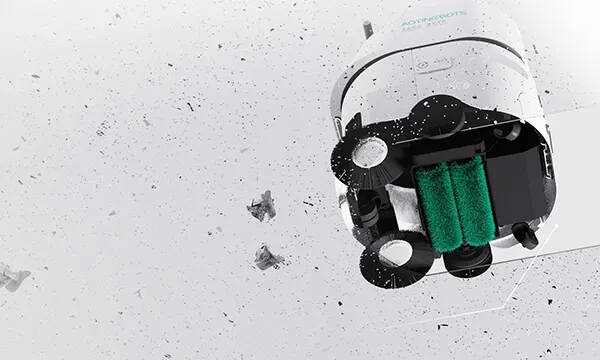
These robots are specifically engineered for continuous operation in high-traffic areas. They do not leave behind damp residue that requires drying time. This allows facilities to operate 24/7 without cordoning off sections of the floor. A waterless cleaning robot provides immediate safety and cleanliness.
To understand how these machines work, we must look at their navigation and filtration systems. Most high-end units utilize Light Detection and Ranging (LiDAR) sensors. This technology pulses laser light to map the environment in three dimensions. It allows the waterless cleaning robot to avoid obstacles with millimeter precision.
Data processing is handled by sophisticated Simultaneous Localization and Mapping (SLAM) algorithms. This software ensures the robot knows its exact position at all times. It calculates the most efficient path to cover the entire floor area. Efficient pathfinding reduces energy consumption and shortens cleaning cycles significantly.
The filtration system is another critical component for air quality. High-quality dry robots use multi-stage filtration to prevent dust redistribution. Research indicates that HEPA filters can capture 99.97% of particles as small as 0.3 microns. This is vital for maintaining sterile environments like electronics assembly lines.
Mechanical power is measured in Pascals (Pa), representing the suction strength. Industrial-grade waterless robots often exceed 5,000 Pa of suction. This power is necessary to extract dust from deep cracks and textured surfaces. High-performance suction ensures that surfaces remain free of allergens and fine grit.
Some environments cannot tolerate even a small amount of liquid. Data centers and electrical substations contain high-voltage equipment that reacts poorly to moisture. A waterless cleaning robot provides a safe way to maintain these high-risk zones. It removes conductive dust that could otherwise cause short circuits or fires.
Furthermore, dry cleaning is highly effective for solar panel maintenance. Dust accumulation on solar arrays can reduce energy output by 20% to 30% annually. Waterless systems use soft brushes and air to clear panels without leaving mineral spots. Dry cleaning maintains energy efficiency without wasting precious water resources.
In retail and healthcare settings, the speed of dry cleaning is a major asset. There is no "wet floor" sign required, reducing the risk of liability. Staff and patients can walk behind the robot immediately. This seamless integration makes the waterless cleaning robot a superior choice for busy public spaces.
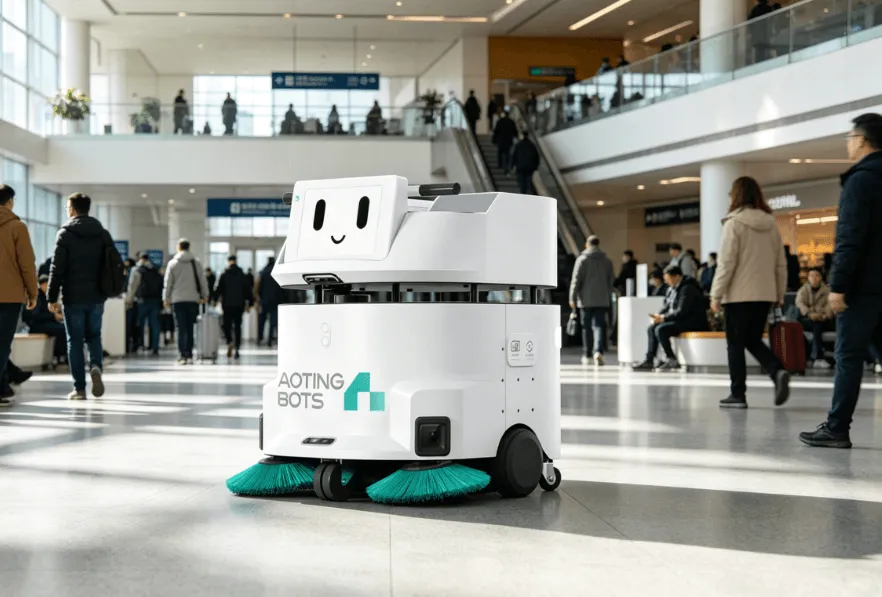
The efficiency of a waterless cleaning robot is often measured by its coverage rate. Many commercial models can clean between 500 and 1,500 square meters per hour. This speed far exceeds manual sweeping or vacuuming by human personnel. Automated dry cleaning allows staff to focus on more complex tasks.
Battery technology also plays a vital role in robot performance. Lithium-iron-phosphate (LiFePO4) batteries are commonly used for their long cycle life. These batteries can endure over 2,000 charge cycles before losing significant capacity. This ensures the robot remains a reliable asset for several years of daily use.
Noise management is an important consideration for indoor use. Modern motors are designed to operate at low decibel levels. This allows the robot to work during office hours without distracting employees. Quiet operation is a hallmark of professional-grade dry cleaning robotics.
Choosing a waterless cleaning robot requires a careful assessment of your specific environment. You must first analyze the type of debris your facility generates. For example, a warehouse may deal with heavy pallet chips and fine dust. A hospital environment requires a focus on microscopic allergens and hair.
The layout of your space also dictates the necessary sensor suite. If your floors have many temporary obstacles, look for robots with 3D obstacle avoidance. These systems use depth-sensing cameras to "see" objects like backpacks or power cables. Accurate sensor technology prevents collisions and protects your infrastructure.
You should also consider the ease of maintenance for the machine itself. Look for robots with easily accessible dust bins and tool-free brush replacements. A machine that is hard to maintain will often sit idle. Reliability and ease of use are the most important factors for long-term ROI. Exploring various product categories can help you identify the specific features needed for your industry.
A waterless cleaning robot offers an efficient, safe, and eco-friendly solution for modern floor maintenance. By utilizing high-power suction and advanced LiDAR navigation, these machines provide consistent results without the risks associated with water. They are the ideal choice for facilities prioritizing safety and high-tech equipment protection.
Is a waterless cleaning robot as effective as a wet mop?
It is highly effective for removing dry debris, dust, and allergens that mops often spread around. While it cannot remove sticky liquid stains, it prevents the buildup of grime by maintaining a dust-free environment.
Can these robots work on both carpets and hard floors?
Yes, most professional dry robots feature adaptive brush systems for multiple surfaces. They can detect the difference between concrete, tile, and commercial-grade carpeting to adjust suction power.
How often do the filters in a dry robot need to be changed?
Typically, HEPA filters should be replaced every 3 to 6 months depending on the environment. Regular cleaning of the filter housing can extend the life of the component and maintain suction.
What happens if the robot runs out of battery during a shift?
Modern autonomous robots feature "auto-docking" capabilities. When the battery reaches a certain threshold, the robot automatically returns to its charging station and resumes cleaning afterward.
Are waterless cleaning robots safe to use around people?
Yes, they are designed with multiple safety layers, including emergency stop buttons and ultrasonic sensors. These features ensure the robot stops immediately if a person or pet crosses its path.
International Federation of Robotics (IFR) - Service Robot Statistics
https://ifr.org
IEEE Robotics and Automation Society - Technical Committees
https://www.ieee-ras.org
International Sanitary Supply Association (ISSA) - Cleaning Industry Standards
https://www.issa.com
The rise of automation has transformed how we maintain large-scale commercial and industrial spaces. A waterless cleaning robot is a specialized autonomous machine designed to clean surfaces without liquid detergents. These devices are becoming essential in environments where moisture poses a significant risk. They offer a sustainable alternative to traditional mopping while ensuring high hygiene standards.
Traditional cleaning methods often rely on water to suspend and remove dirt. However, a waterless cleaning robot utilizes advanced suction and mechanical agitation. This approach prevents the growth of mold and eliminates slip-and-fall hazards. Many facilities now prioritize dry cleaning to protect sensitive equipment and conserve natural resources.
Modern dry cleaning technology focuses on precision and efficiency. These robots are equipped with high-efficiency particulate air (HEPA) filters to trap microscopic dust. By removing debris without liquid, they keep the air cleaner and the floors drier. This introduction to dry robotics explores the mechanics and advantages of these innovative systems.
A waterless cleaning robot is an autonomous system that uses dry methods for surface maintenance. Unlike standard scrubbers, it does not feature water tanks or wetting mechanisms. It primarily targets dust, hair, and fine particulate matter. These machines are ideal for server rooms, warehouses, and dry manufacturing plants.
The core function of waterless cleaning robot revolves around specialized brushes and vacuum power. Most models utilize dual-rotating side brushes to sweep debris toward a central suction intake. The internal vacuum motor creates a pressure differential to lift particles into a collection bin. Dry cleaning robots eliminate the risk of water damage to porous floor materials.
These robots are specifically engineered for continuous operation in high-traffic areas. They do not leave behind damp residue that requires drying time. This allows facilities to operate 24/7 without cordoning off sections of the floor. A waterless cleaning robot provides immediate safety and cleanliness.
To understand how these machines work, we must look at their navigation and filtration systems. Most high-end units utilize Light Detection and Ranging (LiDAR) sensors. This technology pulses laser light to map the environment in three dimensions. It allows the waterless cleaning robot to avoid obstacles with millimeter precision.
Data processing is handled by sophisticated Simultaneous Localization and Mapping (SLAM) algorithms. This software ensures the robot knows its exact position at all times. It calculates the most efficient path to cover the entire floor area. Efficient pathfinding reduces energy consumption and shortens cleaning cycles significantly.
The filtration system is another critical component for air quality. High-quality dry robots use multi-stage filtration to prevent dust redistribution. Research indicates that HEPA filters can capture 99.97% of particles as small as 0.3 microns. This is vital for maintaining sterile environments like electronics assembly lines.
Mechanical power is measured in Pascals (Pa), representing the suction strength. Industrial-grade waterless robots often exceed 5,000 Pa of suction. This power is necessary to extract dust from deep cracks and textured surfaces. High-performance suction ensures that surfaces remain free of allergens and fine grit.
Some environments cannot tolerate even a small amount of liquid. Data centers and electrical substations contain high-voltage equipment that reacts poorly to moisture. A waterless cleaning robot provides a safe way to maintain these high-risk zones. It removes conductive dust that could otherwise cause short circuits or fires.
Furthermore, dry cleaning is highly effective for solar panel maintenance. Dust accumulation on solar arrays can reduce energy output by 20% to 30% annually. Waterless systems use soft brushes and air to clear panels without leaving mineral spots. Dry cleaning maintains energy efficiency without wasting precious water resources.
In retail and healthcare settings, the speed of dry cleaning is a major asset. There is no "wet floor" sign required, reducing the risk of liability. Staff and patients can walk behind the robot immediately. This seamless integration makes the waterless cleaning robot a superior choice for busy public spaces.
The efficiency of a waterless cleaning robot is often measured by its coverage rate. Many commercial models can clean between 500 and 1,500 square meters per hour. This speed far exceeds manual sweeping or vacuuming by human personnel. Automated dry cleaning allows staff to focus on more complex tasks.
Battery technology also plays a vital role in robot performance. Lithium-iron-phosphate (LiFePO4) batteries are commonly used for their long cycle life. These batteries can endure over 2,000 charge cycles before losing significant capacity. This ensures the robot remains a reliable asset for several years of daily use.
Noise management is an important consideration for indoor use. Modern motors are designed to operate at low decibel levels. This allows the robot to work during office hours without distracting employees. Quiet operation is a hallmark of professional-grade dry cleaning robotics.
Choosing a waterless cleaning robot requires a careful assessment of your specific environment. You must first analyze the type of debris your facility generates. For example, a warehouse may deal with heavy pallet chips and fine dust. A hospital environment requires a focus on microscopic allergens and hair.
The layout of your space also dictates the necessary sensor suite. If your floors have many temporary obstacles, look for robots with 3D obstacle avoidance. These systems use depth-sensing cameras to "see" objects like backpacks or power cables. Accurate sensor technology prevents collisions and protects your infrastructure.
You should also consider the ease of maintenance for the machine itself. Look for robots with easily accessible dust bins and tool-free brush replacements. A machine that is hard to maintain will often sit idle. Reliability and ease of use are the most important factors for long-term ROI. Exploring various product categories can help you identify the specific features needed for your industry.
A waterless cleaning robot offers an efficient, safe, and eco-friendly solution for modern floor maintenance. By utilizing high-power suction and advanced LiDAR navigation, these machines provide consistent results without the risks associated with water. They are the ideal choice for facilities prioritizing safety and high-tech equipment protection.
Is a waterless cleaning robot as effective as a wet mop?
It is highly effective for removing dry debris, dust, and allergens that mops often spread around. While it cannot remove sticky liquid stains, it prevents the buildup of grime by maintaining a dust-free environment.
Can these robots work on both carpets and hard floors?
Yes, most professional dry robots feature adaptive brush systems for multiple surfaces. They can detect the difference between concrete, tile, and commercial-grade carpeting to adjust suction power.
How often do the filters in a dry robot need to be changed?
Typically, HEPA filters should be replaced every 3 to 6 months depending on the environment. Regular cleaning of the filter housing can extend the life of the component and maintain suction.
What happens if the robot runs out of battery during a shift?
Modern autonomous robots feature "auto-docking" capabilities. When the battery reaches a certain threshold, the robot automatically returns to its charging station and resumes cleaning afterward.
Are waterless cleaning robots safe to use around people?
Yes, they are designed with multiple safety layers, including emergency stop buttons and ultrasonic sensors. These features ensure the robot stops immediately if a person or pet crosses its path.
International Federation of Robotics (IFR) - Service Robot Statistics
https://ifr.org
IEEE Robotics and Automation Society - Technical Committees
https://www.ieee-ras.org
International Sanitary Supply Association (ISSA) - Cleaning Industry Standards
https://www.issa.com
CONTACT US
we aim to become a global leader in manufacturer space service robotics and artificial intelligence.

