
CONTACT US
SEARCH WHAT YOU WANT
In high-volume manufacturing environments, floor maintenance is often categorized as an unavoidable sunk cost. However, as labor costs rise and workforce availability fluctuates, facility managers and procurement officers are re-evaluating the economics of sanitation. The question is no longer just "can it clean?" but "what is the financial return?"
Calculating the AI factory cleaning robot ROI requires a shift from simple salary comparisons to a Total Cost of Ownership (TCO) model. For a 50,000-square-meter facility, the delta between manual labor and autonomous systems involves variables like energy consumption, chemical precision, and equipment longevity. This guide provides a technical framework for evaluating the commercial viability of robotic automation in industrial settings.
The most immediate component of an AI factory cleaning robot ROI calculation is the reduction in man-hours. In many industrial sectors, turnover for custodial staff exceeds 200% annually. This leads to hidden costs in recruitment, onboarding, and training.
A manual scrubber requires a dedicated operator. When you factor in the "fully loaded" labor rate—including insurance, benefits, and administrative overhead—the hourly cost is significant. Conversely, an autonomous robot operates with near-zero variable labor.
Manual Scenario: 1 Operator × $25/hour × 8 hours/day = $200/day.
AI Scenario: Minimal human intervention (approx. 10 minutes for water/battery swaps) = <$5/day.
Over a standard 5-year depreciation schedule, the labor savings alone often cover the CAPEX (Capital Expenditure) within the first 12 to 18 months of operation.
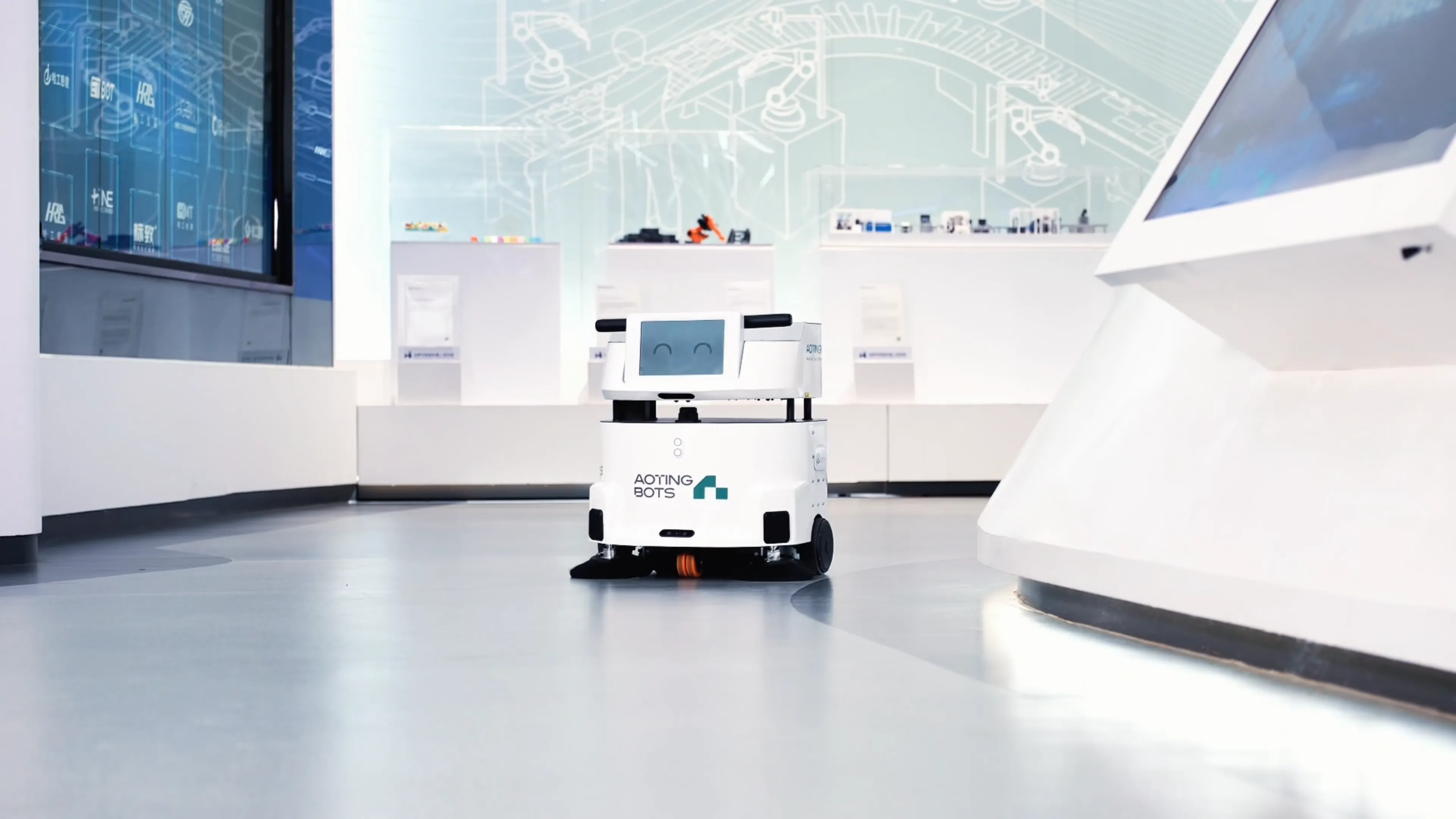
Manual cleaning is inherently inconsistent. Operators may overlap zones, skip corners, or vary the pressure applied to the brushes. In contrast, AI-driven systems utilize SLAM (Simultaneous Localization and Mapping) and LiDAR to ensure 100% floor coverage with millimeter precision.
While a human can walk at 4 km/h, their actual cleaning efficiency drops due to fatigue and needed breaks. AI factory cleaning robots maintain a constant speed and optimized pathing. They can be scheduled for "lights-out" operation during night shifts or low-traffic periods, ensuring that the facility is production-ready without disrupting the daytime manufacturing flow.
Furthermore, precision dosing systems in robots reduce chemical and water waste. By calculating the reduction in consumable spend—often 30% to 50%—facility managers can add another layer of "green ROI" to their spreadsheet, supporting corporate ESG (Environmental, Social, and Governance) goals.
A realistic ROI model must account for maintenance and uptime. Traditional manual scrubbers often suffer from "accidental damage" caused by operator error—hitting racks or over-straining motors. AI robots are equipped with 360-degree obstacle avoidance, significantly reducing repair costs.
When auditing a potential supplier, focus on technical specifications that directly influence the financial outcome. Short battery life or high maintenance requirements can quickly erode the projected ROI.
Look for lithium-ion systems with high cycle life (2,000+ cycles). An AI factory cleaning robot with "auto-docking" and "resume-cleaning" logic ensures the robot maximizes its working window without requiring a human to monitor its charge status.
For Tier 1 manufacturers, the ability of the robot to provide data is a commercial asset. If the robot integrates with the facility’s management software, it provides verifiable proof of sanitation. This is critical for compliance in sectors like electronics, pharmaceuticals, or food processing, where cleaning audits are mandatory.
The ROI of an autonomous system is heavily dependent on the environment. In specialized factory applications, such as electronics workshops, dust control is a production requirement rather than an aesthetic choice.
Electronics Manufacturing: Micro-dust can lead to part defects. A robot with HEPA-level vacuuming and dry-cleaning modes provides a direct ROI by increasing production yield.
Automotive Plants: Large, open bays with heavy oil or tire marks require high brush pressure. Autonomous units can be programmed to perform intensive "deep cleans" on a schedule that doesn't conflict with assembly line logistics.
By reviewing industry-specific case studies, procurement teams can see how similar facilities have transitioned from reactive cleaning to a data-driven, automated maintenance model.
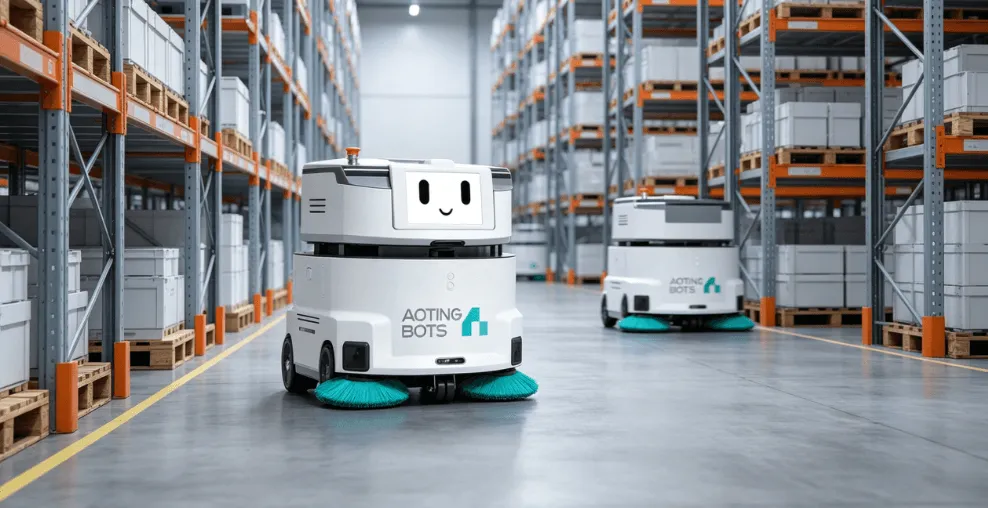
For B2B buyers looking to finalize a purchase, the evaluation should move from a "unit price" to a "service level agreement" (SLA). Only BOFU (Bottom of Funnel) evaluations can provide the level of granular data required for final approval.
Key Procurement Considerations:
Site Survey: Does the supplier offer a digital "map-ability" test of your facility?
Scalability: Can the software manage a fleet of 5 to 10 robots across multiple plants?
Local Support: What is the lead time for sensors or brush replacements?
In many cases, the decision to automate is driven by the inability to find staff. In these "labor desert" scenarios, the ROI is effectively infinite, as the robot represents the only viable method to maintain the facility's operational standards.
What is the average ROI period for an AI factory cleaning robot?
For most mid-to-large scale industrial facilities operating on at least two shifts, the ROI is typically achieved between 14 and 22 months. Facilities with high labor costs or strict 24/7 cleaning requirements see the fastest returns.
Does the robot require a specialized engineer to operate?
No. Modern industrial robots are designed with "User-First" interfaces. After the initial mapping phase (usually performed by the supplier’s technician), daily operation involves simple "One-Touch" starts or fully automated scheduling via a mobile app or desktop dashboard.
Can the robot handle water-sensitive manufacturing zones?
Yes. High-performance models like those from Aotingbot offer "Dry Cleaning" or "Low-Moisture" modes specifically for environments like electronics assembly or battery production where water is a hazard.
What is the typical lifespan of an industrial cleaning robot?
A professional-grade robot is engineered for a 5 to 7-year operational lifespan. The primary wear components are brushes and squeegees, while the core navigation sensors and chassis are built for heavy-duty 24/7 industrial use.
ISO 13482:2014 – Robots and robotic devices — Safety requirements for personal care robots (applicable to service robots in industrial spaces).
International Federation of Robotics (IFR) – World Robotics Report on service robot adoption in logistics and manufacturing.
ASTM F45 – Standard Guide for Performance of Autonomous Floor Cleaning Robots.
SGS Technical Whitepapers – Comparative analysis of chemical usage in automated vs. manual industrial cleaning.
IEEE Robotics & Automation Society – Research on SLAM navigation efficiency in dynamic manufacturing environments.
In high-volume manufacturing environments, floor maintenance is often categorized as an unavoidable sunk cost. However, as labor costs rise and workforce availability fluctuates, facility managers and procurement officers are re-evaluating the economics of sanitation. The question is no longer just "can it clean?" but "what is the financial return?"
Calculating the AI factory cleaning robot ROI requires a shift from simple salary comparisons to a Total Cost of Ownership (TCO) model. For a 50,000-square-meter facility, the delta between manual labor and autonomous systems involves variables like energy consumption, chemical precision, and equipment longevity. This guide provides a technical framework for evaluating the commercial viability of robotic automation in industrial settings.
The most immediate component of an AI factory cleaning robot ROI calculation is the reduction in man-hours. In many industrial sectors, turnover for custodial staff exceeds 200% annually. This leads to hidden costs in recruitment, onboarding, and training.
A manual scrubber requires a dedicated operator. When you factor in the "fully loaded" labor rate—including insurance, benefits, and administrative overhead—the hourly cost is significant. Conversely, an autonomous robot operates with near-zero variable labor.
Manual Scenario: 1 Operator × $25/hour × 8 hours/day = $200/day.
AI Scenario: Minimal human intervention (approx. 10 minutes for water/battery swaps) = <$5/day.
Over a standard 5-year depreciation schedule, the labor savings alone often cover the CAPEX (Capital Expenditure) within the first 12 to 18 months of operation.
Manual cleaning is inherently inconsistent. Operators may overlap zones, skip corners, or vary the pressure applied to the brushes. In contrast, AI-driven systems utilize SLAM (Simultaneous Localization and Mapping) and LiDAR to ensure 100% floor coverage with millimeter precision.
While a human can walk at 4 km/h, their actual cleaning efficiency drops due to fatigue and needed breaks. AI factory cleaning robots maintain a constant speed and optimized pathing. They can be scheduled for "lights-out" operation during night shifts or low-traffic periods, ensuring that the facility is production-ready without disrupting the daytime manufacturing flow.
Furthermore, precision dosing systems in robots reduce chemical and water waste. By calculating the reduction in consumable spend—often 30% to 50%—facility managers can add another layer of "green ROI" to their spreadsheet, supporting corporate ESG (Environmental, Social, and Governance) goals.
A realistic ROI model must account for maintenance and uptime. Traditional manual scrubbers often suffer from "accidental damage" caused by operator error—hitting racks or over-straining motors. AI robots are equipped with 360-degree obstacle avoidance, significantly reducing repair costs.
When auditing a potential supplier, focus on technical specifications that directly influence the financial outcome. Short battery life or high maintenance requirements can quickly erode the projected ROI.
Look for lithium-ion systems with high cycle life (2,000+ cycles). An AI factory cleaning robot with "auto-docking" and "resume-cleaning" logic ensures the robot maximizes its working window without requiring a human to monitor its charge status.
For Tier 1 manufacturers, the ability of the robot to provide data is a commercial asset. If the robot integrates with the facility’s management software, it provides verifiable proof of sanitation. This is critical for compliance in sectors like electronics, pharmaceuticals, or food processing, where cleaning audits are mandatory.
The ROI of an autonomous system is heavily dependent on the environment. In specialized factory applications, such as electronics workshops, dust control is a production requirement rather than an aesthetic choice.
Electronics Manufacturing: Micro-dust can lead to part defects. A robot with HEPA-level vacuuming and dry-cleaning modes provides a direct ROI by increasing production yield.
Automotive Plants: Large, open bays with heavy oil or tire marks require high brush pressure. Autonomous units can be programmed to perform intensive "deep cleans" on a schedule that doesn't conflict with assembly line logistics.
By reviewing industry-specific case studies, procurement teams can see how similar facilities have transitioned from reactive cleaning to a data-driven, automated maintenance model.
For B2B buyers looking to finalize a purchase, the evaluation should move from a "unit price" to a "service level agreement" (SLA). Only BOFU (Bottom of Funnel) evaluations can provide the level of granular data required for final approval.
Key Procurement Considerations:
Site Survey: Does the supplier offer a digital "map-ability" test of your facility?
Scalability: Can the software manage a fleet of 5 to 10 robots across multiple plants?
Local Support: What is the lead time for sensors or brush replacements?
In many cases, the decision to automate is driven by the inability to find staff. In these "labor desert" scenarios, the ROI is effectively infinite, as the robot represents the only viable method to maintain the facility's operational standards.
What is the average ROI period for an AI factory cleaning robot?
For most mid-to-large scale industrial facilities operating on at least two shifts, the ROI is typically achieved between 14 and 22 months. Facilities with high labor costs or strict 24/7 cleaning requirements see the fastest returns.
Does the robot require a specialized engineer to operate?
No. Modern industrial robots are designed with "User-First" interfaces. After the initial mapping phase (usually performed by the supplier’s technician), daily operation involves simple "One-Touch" starts or fully automated scheduling via a mobile app or desktop dashboard.
Can the robot handle water-sensitive manufacturing zones?
Yes. High-performance models like those from Aotingbot offer "Dry Cleaning" or "Low-Moisture" modes specifically for environments like electronics assembly or battery production where water is a hazard.
What is the typical lifespan of an industrial cleaning robot?
A professional-grade robot is engineered for a 5 to 7-year operational lifespan. The primary wear components are brushes and squeegees, while the core navigation sensors and chassis are built for heavy-duty 24/7 industrial use.
ISO 13482:2014 – Robots and robotic devices — Safety requirements for personal care robots (applicable to service robots in industrial spaces).
International Federation of Robotics (IFR) – World Robotics Report on service robot adoption in logistics and manufacturing.
ASTM F45 – Standard Guide for Performance of Autonomous Floor Cleaning Robots.
SGS Technical Whitepapers – Comparative analysis of chemical usage in automated vs. manual industrial cleaning.
IEEE Robotics & Automation Society – Research on SLAM navigation efficiency in dynamic manufacturing environments.
CONTACT US
we aim to become a global leader in manufacturer space service robotics and artificial intelligence.


