



we aim to become a global leader in manufacturer space service robotics and artificial intelligence.
SEARCH WHAT YOU WANT
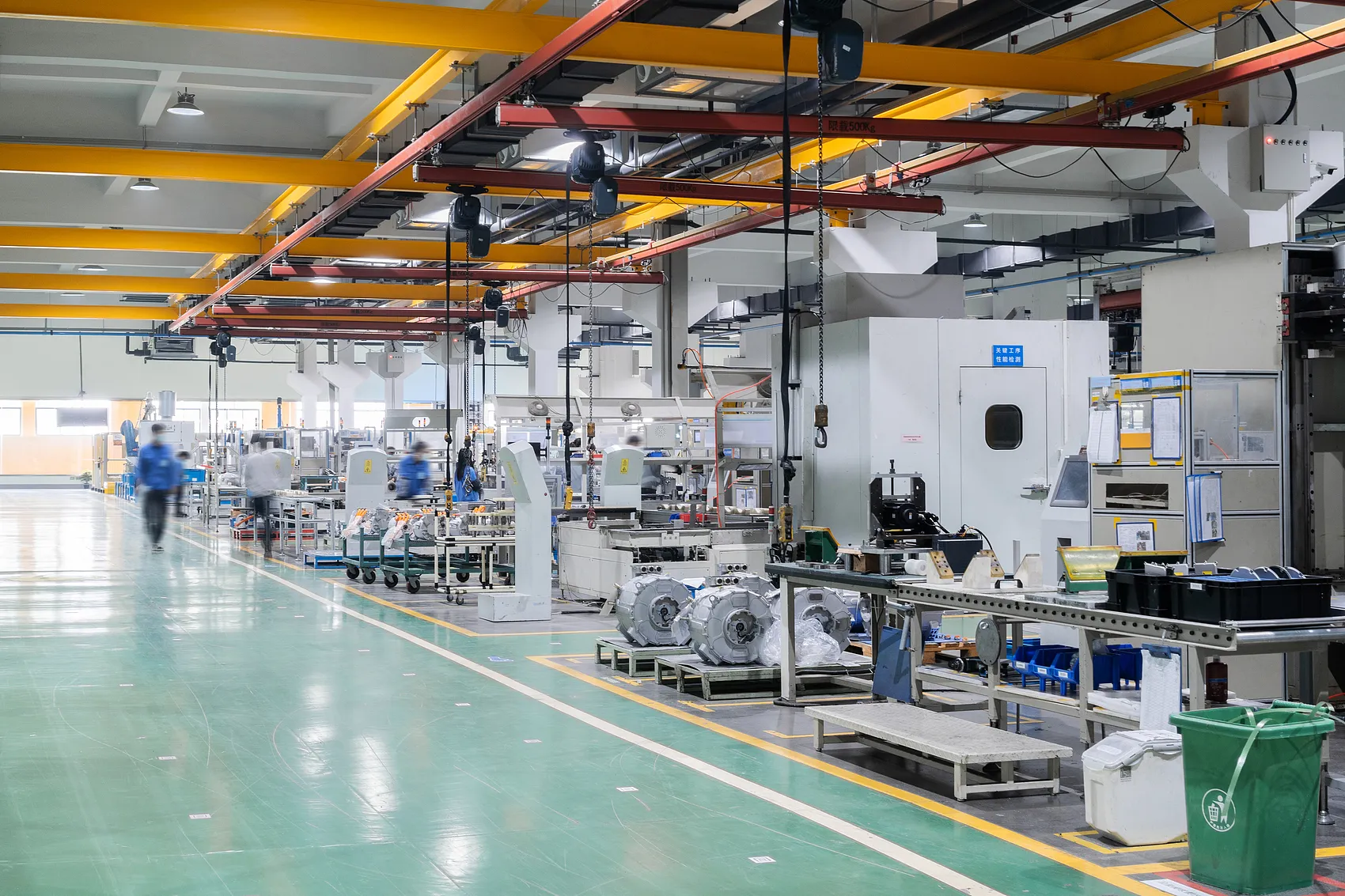
Cleaning Challenges
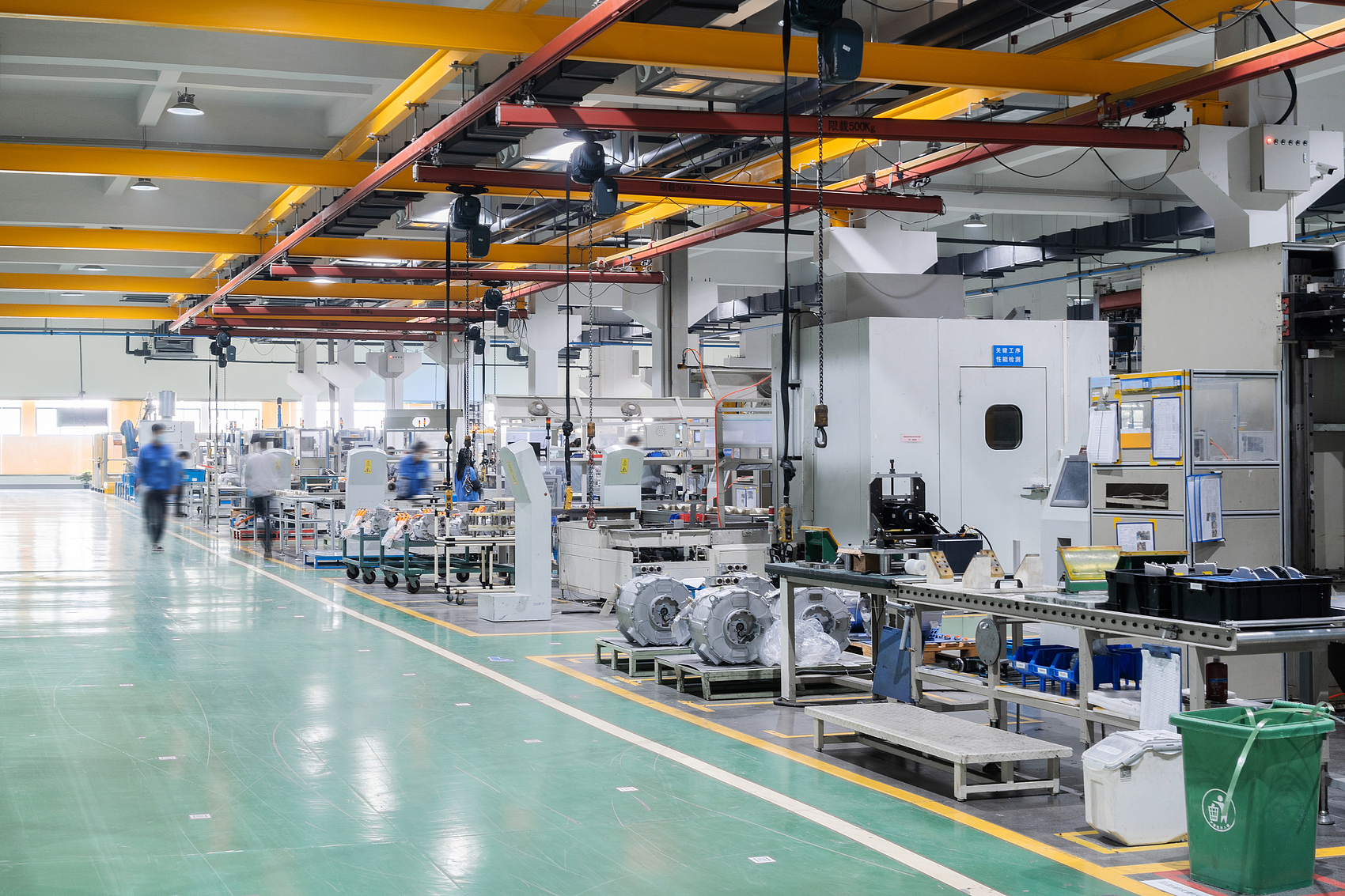
● Complex production environment with high dust content: Factories are prone to generating a large amount of dust, metal shavings, and other pollutants during the production process. These pollutants have strong adhesion and accumulate quickly, making it difficult to remove them timely and thoroughly with ordinary cleaning methods.
● Large cleaning area and high operational intensity: The factory building covers a vast area with long passageways, making manual cleaning labor-intensive and inefficient. It is difficult to meet the high-frequency and continuous cleaning requirements.
● High safety risks: Ground oil stains and dust accumulation are prone to causing safety hazards such as personnel slipping and vehicle skidding. The cleaning operation itself also poses a risk of personnel and equipment mixing.
● Cleaning management is difficult to standardize: relying on manual experience, cleaning quality is greatly influenced by personnel status, and the operation process is difficult to quantify and trace, resulting in insufficient management transparency and controllability.
● Increasing pressure on environmental protection and compliance: Against the backdrop of stricter energy conservation, emission reduction, and environmental supervision, traditional cleaning methods that consume high amounts of water and detergents are unable to meet enterprises' requirements for green production and compliant operations. There is an urgent need for more environmentally friendly and sustainable solutions in the cleaning process.
Cleaning Challenges
● Complex production environment with high dust content: Factories are prone to generating a large amount of dust, metal shavings, and other pollutants during the production process. These pollutants have strong adhesion and accumulate quickly, making it difficult to remove them timely and thoroughly with ordinary cleaning methods.
● Large cleaning area and high operational intensity: The factory building covers a vast area with long passageways, making manual cleaning labor-intensive and inefficient. It is difficult to meet the high-frequency and continuous cleaning requirements.
● High safety risks: Ground oil stains and dust accumulation are prone to causing safety hazards such as personnel slipping and vehicle skidding. The cleaning operation itself also poses a risk of personnel and equipment mixing.
● Cleaning management is difficult to standardize: relying on manual experience, cleaning quality is greatly influenced by personnel status, and the operation process is difficult to quantify and trace, resulting in insufficient management transparency and controllability.
● Increasing pressure on environmental protection and compliance: Against the backdrop of stricter energy conservation, emission reduction, and environmental supervision, traditional cleaning methods that consume high amounts of water and detergents are unable to meet enterprises' requirements for green production and compliant operations. There is an urgent need for more environmentally friendly and sustainable solutions in the cleaning process.
Results & Impact
1. Improve cleaning efficiency: Robots can operate continuously during production breaks or off-peak periods, covering factory passageways and work areas frequently, quickly removing dust and debris, and ensuring a clean production environment over the long term.
2. Significant improvement in safety level: The ground is kept dry and free of debris, effectively reducing the risk of accidents such as personnel slipping and forklift skidding, providing reliable guarantees for safe production.
3. Reduce labor and operational costs: Automated cleaning replaces a large amount of repetitive manual labor, reducing manpower input and management pressure, while also lowering the cost of water, cleaning agents, and other consumables.
4. Cleaning management is more standardized and traceable: By recording operation time, routes, and cleaning areas through an intelligent system, management personnel can grasp the cleaning status in real time, enhancing management transparency and execution.
5. Assist in the construction of green factories: Clean methods with low water and energy consumption reduce resource consumption and environmental burden, helping enterprises meet environmental compliance requirements and enhance sustainable operation levels.
Results & Impact
1. Improve cleaning efficiency: Robots can operate continuously during production breaks or off-peak periods, covering factory passageways and work areas frequently, quickly removing dust and debris, and ensuring a clean production environment over the long term.
2. Significant improvement in safety level: The ground is kept dry and free of debris, effectively reducing the risk of accidents such as personnel slipping and forklift skidding, providing reliable guarantees for safe production.
3. Reduce labor and operational costs: Automated cleaning replaces a large amount of repetitive manual labor, reducing manpower input and management pressure, while also lowering the cost of water, cleaning agents, and other consumables.
4. Cleaning management is more standardized and traceable: By recording operation time, routes, and cleaning areas through an intelligent system, management personnel can grasp the cleaning status in real time, enhancing management transparency and execution.
5. Assist in the construction of green factories: Clean methods with low water and energy consumption reduce resource consumption and environmental burden, helping enterprises meet environmental compliance requirements and enhance sustainable operation levels.
User Reviews
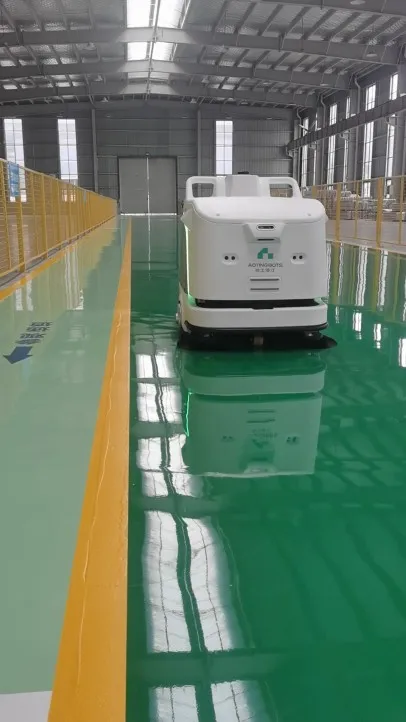
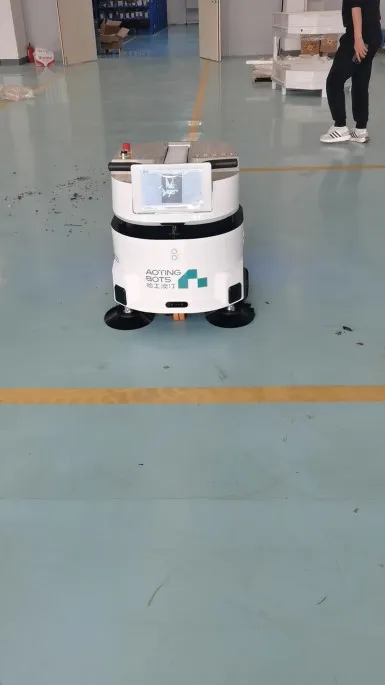
"Since we have been using Aotian robots, the factory floor has been kept very clean, and there have been significantly fewer safety issues. The cleaning is fast and hassle-free, and it's much easier to manage." - a factory worker
 |
 |
User Reviews
"Since we have been using Aotian robots, the factory floor has been kept very clean, and there have been significantly fewer safety issues. The cleaning is fast and hassle-free, and it's much easier to manage." - a factory worker
|
|
we aim to become a global leader in manufacturer space service robotics and artificial intelligence.