
CONTACT US
SEARCH WHAT YOU WANT
Modern industrial facilities face significant challenges in maintaining floor cleanliness and safety. High labor costs and staffing shortages often lead to inconsistent results in large-scale environments. An industrial cleaning robot provides a reliable, autonomous solution for these demanding settings. These machines integrate advanced navigation and cleaning technologies to optimize facility management.
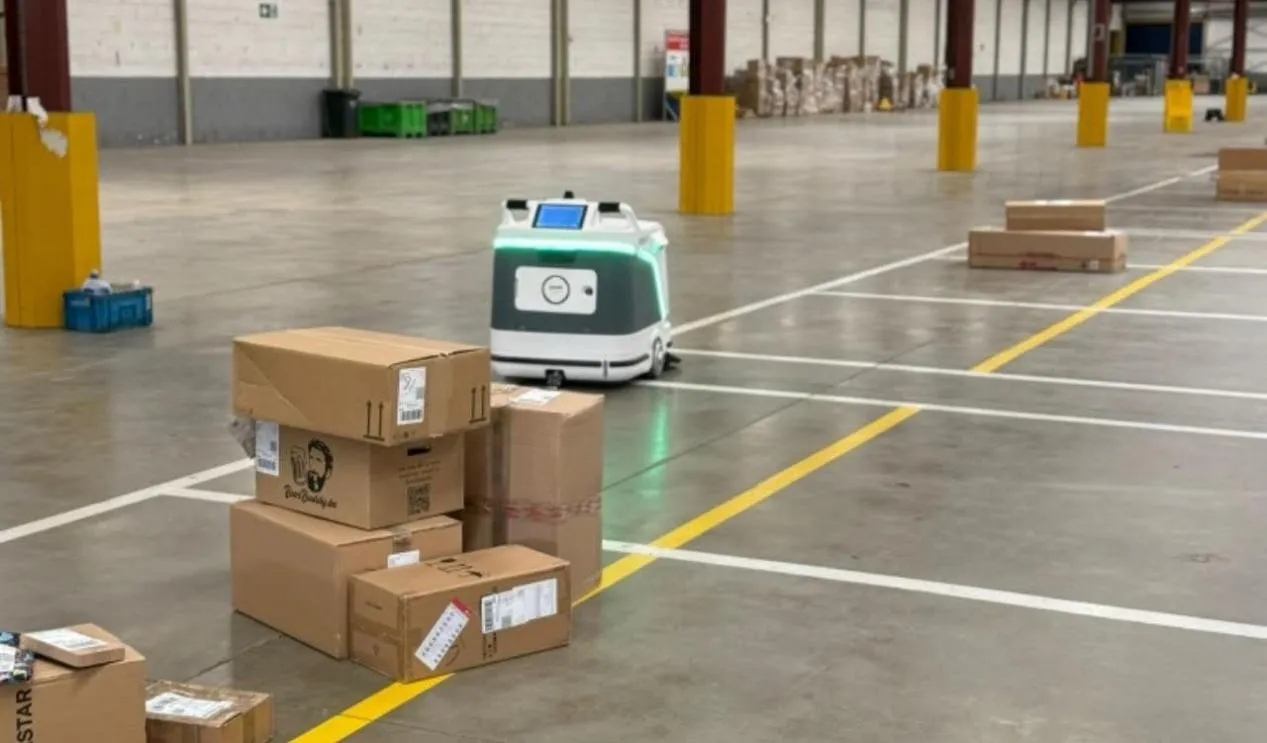
The transition to automation is no longer a luxury for many businesses. Factories, warehouses, and shopping malls require high sanitation standards to ensure operational efficiency. An industrial cleaning robot can work during off-hours without constant human supervision. This technology helps managers maintain a pristine environment while reducing long-term operational expenses.
An industrial cleaning robot is an autonomous machine designed to clean large floor surfaces in commercial or industrial settings. Unlike domestic versions, these robots feature heavy-duty components and high-capacity tanks. They typically utilize SLAM (Simultaneous Localization and Mapping) technology to navigate complex environments. This allows them to avoid obstacles like forklifts, pallets, and pedestrians in real-time.
These robots often perform multiple functions simultaneously to maximize productivity. Many models can sweep, scrub, vacuum, and mop in a single pass. This multi-stage process ensures that even fine dust and heavy debris are removed. Advanced sensors like LiDAR and 3D cameras provide 360-degree situational awareness. This ensures the industrial cleaning robot operates safely near expensive machinery or workers.
The software powering these machines allows for scheduled tasks and remote monitoring. Operators can set specific cleaning routes or define "no-go" zones via a digital interface. Most systems provide detailed reports on water usage, battery levels, and total area covered. This data-driven approach allows for precise tracking of facility maintenance goals.
Implementing an industrial cleaning robot significantly improves the consistency of floor maintenance. Human operators may miss spots or vary their pressure while scrubbing. An autonomous system follows a programmed path with millimetric precision every time. This consistency improves floor longevity by ensuring chemicals and water are applied evenly.
Productivity gains represent the most compelling reason for adoption. A high-performance industrial cleaning robot can clean up to 4,000 square meters per hour. This speed allows facilities to maintain cleanliness without interrupting daily production workflows. By automating repetitive tasks, your workforce can focus on higher-value activities.
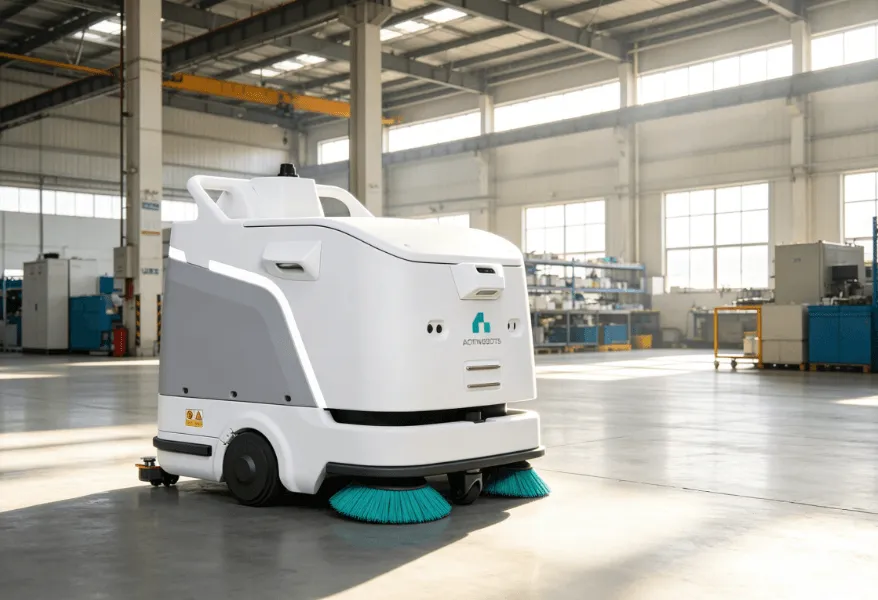
Safety and compliance are also critical factors in industrial environments. Dirty or greasy floors often lead to slip-and-fall accidents in the workplace. Regular cleaning by an industrial cleaning robot reduces these risks and helps meet OSHA standards. Automating this task ensures that floor safety is never compromised due to labor shortages.
When evaluating an industrial cleaning robot, technical specifications determine its actual utility. Efficiency is often measured by the cleaning width and battery life. Top-tier robots usually feature a cleaning width between 500mm and 800mm. This allows them to cover expansive aisles in warehouses or production lines quickly.
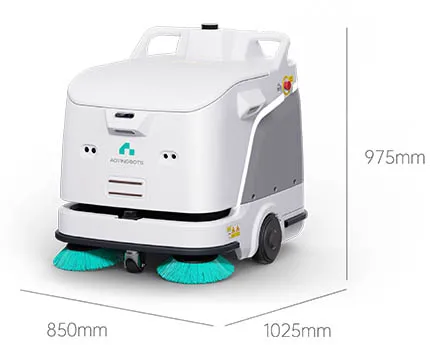
Water management is another vital performance indicator for these machines. Efficient systems use advanced filtration to recycle water during the scrubbing process. This feature reduces water consumption by up to 50% compared to traditional methods. It also allows the industrial cleaning robot to work longer before requiring a refill.
Recent industry data suggests that autonomous cleaning can reduce labor costs by 70%. In a 10,000-square-meter facility, the ROI is often achieved within 12 to 18 months. These robots also boast impressive uptime, with many models offering 4 to 6 hours of continuous operation. Once the battery is low, the industrial cleaning robot automatically returns to a docking station.
Choosing the right industrial cleaning robot depends on your specific floor type and facility layout. You must first assess whether you need a dedicated scrubber or a multi-functional machine. A 4-in-1 integrated cleaning system is often the most versatile choice for varied environments. These units can handle both dry debris and wet spills without changing equipment.
Another critical factor is the level of autonomy required for your operation. Look for models that feature automatic water filling and drainage capabilities. This eliminates the need for manual intervention during the cleaning cycle. A truly autonomous industrial cleaning robot should also handle its own charging via a specialized dock.
Finally, consider the software ecosystem and support provided by the manufacturer. The robot must be easy to deploy and update as your facility layout changes. Precise navigation and obstacle avoidance are non-negotiable for safety in active workspaces. Ensure the machine can operate in low-light conditions if night cleaning is required. Modern solutions like the SW80-A exemplify these standards by offering high-efficiency cleaning and fully autonomous maintenance cycles.
An industrial cleaning robot transforms facility maintenance from a manual burden into a streamlined, automated process. These machines deliver consistent results, reduce operational costs, and enhance workplace safety through advanced sensors. By prioritizing multi-functional capabilities and high autonomy, businesses can achieve a rapid return on investment.
What types of floors can an industrial cleaning robot clean?
Most models are designed for hard surfaces like epoxy, polished concrete, tile, and stone. They are ideal for warehouses, factories, and commercial centers.
How does an industrial cleaning robot avoid obstacles?
These robots use a combination of LiDAR, 3D cameras, and ultrasonic sensors. This allows them to detect and navigate around moving people or stationary equipment.
Can an industrial cleaning robot work in the dark?
Yes, most professional robots utilize laser-based navigation that does not require ambient light. This makes them perfect for after-hours cleaning in unlit warehouses.
Is it difficult to set up an industrial cleaning robot?
Modern systems feature user-friendly mapping tools that allow for quick deployment. Most facilities can be mapped and operational within a single day.
International Federation of Robotics (IFR)
https://ifr.org/
Occupational Safety and Health Administration (OSHA)
https://www.osha.gov/
Association for Advancing Automation (A3)
https://www.automate.org/
Robotics Business Review
https://www.roboticsbusinessreview.com/
IEEE Robotics and Automation Society
https://www.ieee-ras.org/
Modern industrial facilities face significant challenges in maintaining floor cleanliness and safety. High labor costs and staffing shortages often lead to inconsistent results in large-scale environments. An industrial cleaning robot provides a reliable, autonomous solution for these demanding settings. These machines integrate advanced navigation and cleaning technologies to optimize facility management.
The transition to automation is no longer a luxury for many businesses. Factories, warehouses, and shopping malls require high sanitation standards to ensure operational efficiency. An industrial cleaning robot can work during off-hours without constant human supervision. This technology helps managers maintain a pristine environment while reducing long-term operational expenses.
An industrial cleaning robot is an autonomous machine designed to clean large floor surfaces in commercial or industrial settings. Unlike domestic versions, these robots feature heavy-duty components and high-capacity tanks. They typically utilize SLAM (Simultaneous Localization and Mapping) technology to navigate complex environments. This allows them to avoid obstacles like forklifts, pallets, and pedestrians in real-time.
These robots often perform multiple functions simultaneously to maximize productivity. Many models can sweep, scrub, vacuum, and mop in a single pass. This multi-stage process ensures that even fine dust and heavy debris are removed. Advanced sensors like LiDAR and 3D cameras provide 360-degree situational awareness. This ensures the industrial cleaning robot operates safely near expensive machinery or workers.
The software powering these machines allows for scheduled tasks and remote monitoring. Operators can set specific cleaning routes or define "no-go" zones via a digital interface. Most systems provide detailed reports on water usage, battery levels, and total area covered. This data-driven approach allows for precise tracking of facility maintenance goals.
Implementing an industrial cleaning robot significantly improves the consistency of floor maintenance. Human operators may miss spots or vary their pressure while scrubbing. An autonomous system follows a programmed path with millimetric precision every time. This consistency improves floor longevity by ensuring chemicals and water are applied evenly.
Productivity gains represent the most compelling reason for adoption. A high-performance industrial cleaning robot can clean up to 4,000 square meters per hour. This speed allows facilities to maintain cleanliness without interrupting daily production workflows. By automating repetitive tasks, your workforce can focus on higher-value activities.
Safety and compliance are also critical factors in industrial environments. Dirty or greasy floors often lead to slip-and-fall accidents in the workplace. Regular cleaning by an industrial cleaning robot reduces these risks and helps meet OSHA standards. Automating this task ensures that floor safety is never compromised due to labor shortages.
When evaluating an industrial cleaning robot, technical specifications determine its actual utility. Efficiency is often measured by the cleaning width and battery life. Top-tier robots usually feature a cleaning width between 500mm and 800mm. This allows them to cover expansive aisles in warehouses or production lines quickly.
Water management is another vital performance indicator for these machines. Efficient systems use advanced filtration to recycle water during the scrubbing process. This feature reduces water consumption by up to 50% compared to traditional methods. It also allows the industrial cleaning robot to work longer before requiring a refill.
Recent industry data suggests that autonomous cleaning can reduce labor costs by 70%. In a 10,000-square-meter facility, the ROI is often achieved within 12 to 18 months. These robots also boast impressive uptime, with many models offering 4 to 6 hours of continuous operation. Once the battery is low, the industrial cleaning robot automatically returns to a docking station.
Choosing the right industrial cleaning robot depends on your specific floor type and facility layout. You must first assess whether you need a dedicated scrubber or a multi-functional machine. A 4-in-1 integrated cleaning system is often the most versatile choice for varied environments. These units can handle both dry debris and wet spills without changing equipment.
Another critical factor is the level of autonomy required for your operation. Look for models that feature automatic water filling and drainage capabilities. This eliminates the need for manual intervention during the cleaning cycle. A truly autonomous industrial cleaning robot should also handle its own charging via a specialized dock.
Finally, consider the software ecosystem and support provided by the manufacturer. The robot must be easy to deploy and update as your facility layout changes. Precise navigation and obstacle avoidance are non-negotiable for safety in active workspaces. Ensure the machine can operate in low-light conditions if night cleaning is required. Modern solutions like the SW80-A exemplify these standards by offering high-efficiency cleaning and fully autonomous maintenance cycles.
An industrial cleaning robot transforms facility maintenance from a manual burden into a streamlined, automated process. These machines deliver consistent results, reduce operational costs, and enhance workplace safety through advanced sensors. By prioritizing multi-functional capabilities and high autonomy, businesses can achieve a rapid return on investment.
What types of floors can an industrial cleaning robot clean?
Most models are designed for hard surfaces like epoxy, polished concrete, tile, and stone. They are ideal for warehouses, factories, and commercial centers.
How does an industrial cleaning robot avoid obstacles?
These robots use a combination of LiDAR, 3D cameras, and ultrasonic sensors. This allows them to detect and navigate around moving people or stationary equipment.
Can an industrial cleaning robot work in the dark?
Yes, most professional robots utilize laser-based navigation that does not require ambient light. This makes them perfect for after-hours cleaning in unlit warehouses.
Is it difficult to set up an industrial cleaning robot?
Modern systems feature user-friendly mapping tools that allow for quick deployment. Most facilities can be mapped and operational within a single day.
International Federation of Robotics (IFR)
https://ifr.org/
Occupational Safety and Health Administration (OSHA)
https://www.osha.gov/
Association for Advancing Automation (A3)
https://www.automate.org/
Robotics Business Review
https://www.roboticsbusinessreview.com/
IEEE Robotics and Automation Society
https://www.ieee-ras.org/
CONTACT US
we aim to become a global leader in manufacturer space service robotics and artificial intelligence.


