
CONTACT US
SEARCH WHAT YOU WANT
Modern facility management is undergoing a significant transformation. Property managers must now choose between manual labor and automated technology. Understanding the nuances of robotic cleaning vs traditional cleaning is essential for operational success. Both methods offer unique advantages depending on the environment and budget.
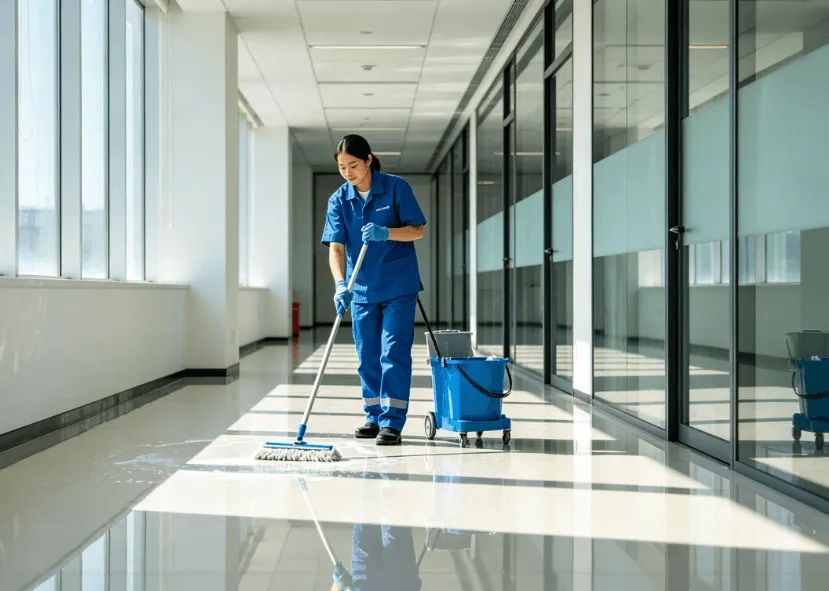
Traditional methods rely heavily on human effort and manual tools. These include mops, buckets, and walk-behind scrubbers. While flexible, this approach faces challenges like labor shortages and rising wages. In contrast, autonomous systems use advanced software to perform tasks independently. This shift represents a move toward data-driven maintenance and higher efficiency.
As technology evolves, the gap between these two methods widens. Businesses are looking for ways to maintain high hygiene standards while reducing overhead. Evaluating performance metrics is the first step in making an informed decision. This guide breaks down the core differences to help you navigate the future of sanitation.
The primary difference lies in the level of human intervention required. Traditional cleaning demands constant physical presence and manual operation. A worker must guide every movement of the machine or mop. This leads to variability in quality based on the operator's fatigue or skill level.
Robotic cleaning vs traditional cleaning also differs in terms of consistency. Autonomous robots follow pre-mapped paths with millimeter precision. They do not skip spots or get distracted during their shift. This ensures that every square inch of the floor receives the same level of attention.
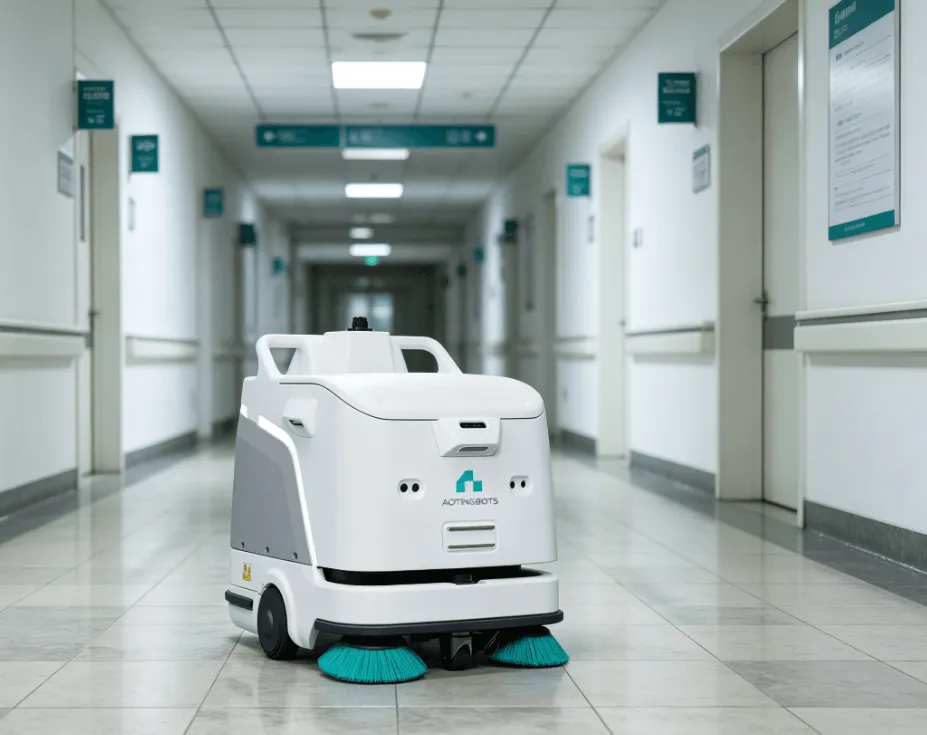
Furthermore, traditional methods involve significant administrative effort. Managers must schedule shifts, manage sick leave, and oversee training. Autonomous systems simplify this by offering programmable schedules. Once a map is created, the robot performs the task at the touch of a button.
Efficiency is often the deciding factor for large-scale facilities. Human workers typically clean at a slower pace due to physical limitations. Manual mopping covers roughly 300 to 500 square meters per hour. Professional walk-behind scrubbers increase this, but they still require a paid operator.
In contrast, industrial robots can cover significantly more ground. Many autonomous scrubbers handle between 1,000 and 3,500 square meters per hour. They can operate continuously without breaks, excluding short charging intervals. This allows for multiple cleaning cycles within a single 24-hour period.
Data from industry reports suggests that labor accounts for 80% to 90% of total cleaning costs. Reducing this dependency allows companies to reallocate funds to other maintenance needs. Automated systems also provide digital logs for compliance. You can verify exactly when and where a floor was cleaned through a mobile app.
The initial investment for robotic cleaning vs traditional cleaning varies greatly. Traditional tools have a lower upfront purchase price. However, the recurring labor costs accumulate rapidly over several years. This makes manual cleaning more expensive in the long run for large areas.
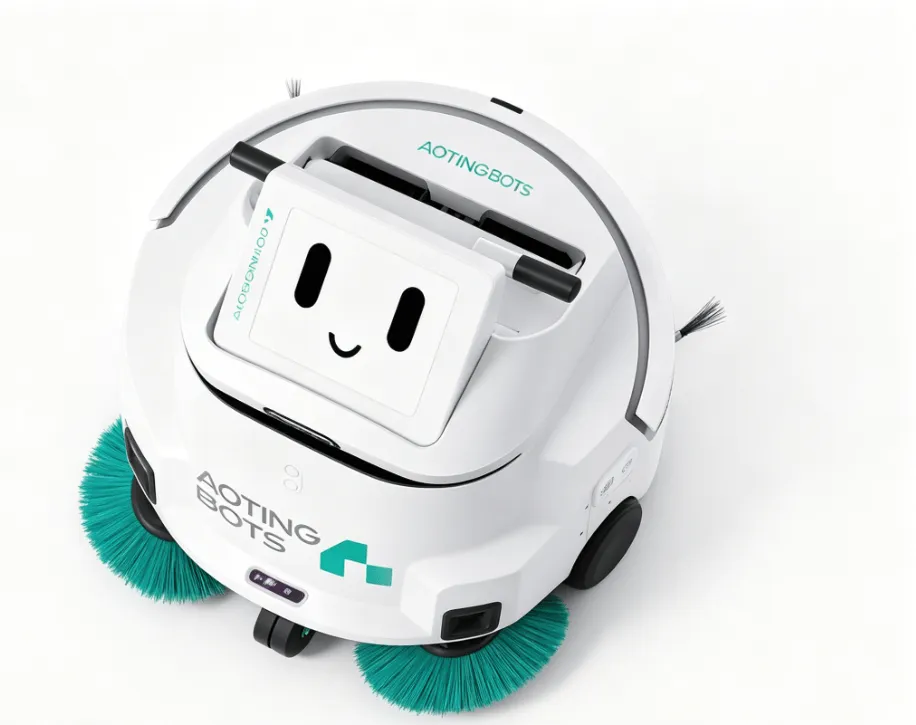
Robotic systems require a higher initial capital expenditure. Despite this, the return on investment is often realized within 12 to 18 months. By eliminating the need for a dedicated operator, the cost per square meter drops significantly. Modern robots also use water and chemicals more precisely, reducing resource waste.
Maintenance costs for robots include sensor calibration and software updates. However, these are often offset by the reduction in human-related accidents. Traditional cleaning often leads to slip-and-fall incidents or worker strain injuries. Robots operate with ultrasonic sensors and Lidar to avoid obstacles, enhancing workplace safety.
Modern autonomous cleaners are equipped with sophisticated navigation suites. They use "Simultaneous Localization and Mapping" (SLAM) to understand their surroundings. This allows them to navigate around moving people and furniture safely. Traditional equipment lacks this intelligence and depends entirely on the operator's peripheral vision.
Sustainability is another area where robotic cleaning vs traditional cleaning shows a clear contrast. Many advanced robots feature multi-stage filtration and water recycling systems. They can reuse the same water for several hours while maintaining high hygiene standards. This can reduce water consumption by up to 70% compared to traditional mopping.
Chemical dosing is also automated in robotic systems. This prevents the over-application of cleaning agents, which protects the environment and floor surfaces. Manual mixing often results in incorrect ratios, leading to sticky residues or wasted chemicals. Automation ensures the perfect balance for every floor type.
Determining which system fits your needs depends on several operational factors. The size of the facility is the most critical starting point. Spaces smaller than 500 square meters may still benefit from traditional manual tools. However, areas exceeding 2,000 square meters are ideal candidates for automation.
Consider the complexity of your floor layout. Facilities with wide-open corridors, such as warehouses or airports, favor autonomous scrubbers. If your space has many tight corners and stairs, a hybrid approach is often best. You can use robots for the bulk of the floor and humans for detailed "edge" cleaning.
Labor availability in your region also plays a major role in the decision. In areas with high turnover or labor shortages, robots provide much-needed stability. They act as a "force multiplier," allowing your existing staff to focus on high-touch surfaces. This balanced strategy improves overall facility health and employee morale.
The debate between robotic cleaning vs traditional cleaning centers on balancing costs with performance. Traditional methods offer low entry costs but high long-term labor expenses. Robotic systems provide superior consistency, data transparency, and significant efficiency gains for large spaces. Choosing the right path involves assessing your facility size and long-term financial goals.
Is robotic cleaning more expensive than traditional cleaning?
In the short term, yes, because the initial purchase price is higher. However, over a 2-year period, robotic systems are usually cheaper due to massive labor savings.
Can robots replace human cleaners entirely?
Robots typically handle repetitive floor tasks, but they do not replace humans. They allow staff to focus on complex tasks like disinfecting handles, glass cleaning, and detail work.
How safe are cleaning robots in crowded areas?
Autonomous robots are very safe because they use Lidar and 3D cameras. They can detect a human foot or a shopping cart in milliseconds and stop or move around it.
Do robotic cleaners work on all floor types?
Most professional robots are designed for hard floors like concrete, tile, and epoxy. Specialized models are also available for outdoor pathways and carpeted commercial areas.
Occupational Safety and Health Administration (OSHA)
https://www.osha.gov/
Grand View Research - Professional Cleaning Robots Market
https://www.grandviewresearch.com/
Modern facility management is undergoing a significant transformation. Property managers must now choose between manual labor and automated technology. Understanding the nuances of robotic cleaning vs traditional cleaning is essential for operational success. Both methods offer unique advantages depending on the environment and budget.
Traditional methods rely heavily on human effort and manual tools. These include mops, buckets, and walk-behind scrubbers. While flexible, this approach faces challenges like labor shortages and rising wages. In contrast, autonomous systems use advanced software to perform tasks independently. This shift represents a move toward data-driven maintenance and higher efficiency.
As technology evolves, the gap between these two methods widens. Businesses are looking for ways to maintain high hygiene standards while reducing overhead. Evaluating performance metrics is the first step in making an informed decision. This guide breaks down the core differences to help you navigate the future of sanitation.
The primary difference lies in the level of human intervention required. Traditional cleaning demands constant physical presence and manual operation. A worker must guide every movement of the machine or mop. This leads to variability in quality based on the operator's fatigue or skill level.
Robotic cleaning vs traditional cleaning also differs in terms of consistency. Autonomous robots follow pre-mapped paths with millimeter precision. They do not skip spots or get distracted during their shift. This ensures that every square inch of the floor receives the same level of attention.
Furthermore, traditional methods involve significant administrative effort. Managers must schedule shifts, manage sick leave, and oversee training. Autonomous systems simplify this by offering programmable schedules. Once a map is created, the robot performs the task at the touch of a button.
Efficiency is often the deciding factor for large-scale facilities. Human workers typically clean at a slower pace due to physical limitations. Manual mopping covers roughly 300 to 500 square meters per hour. Professional walk-behind scrubbers increase this, but they still require a paid operator.
In contrast, industrial robots can cover significantly more ground. Many autonomous scrubbers handle between 1,000 and 3,500 square meters per hour. They can operate continuously without breaks, excluding short charging intervals. This allows for multiple cleaning cycles within a single 24-hour period.
Data from industry reports suggests that labor accounts for 80% to 90% of total cleaning costs. Reducing this dependency allows companies to reallocate funds to other maintenance needs. Automated systems also provide digital logs for compliance. You can verify exactly when and where a floor was cleaned through a mobile app.
The initial investment for robotic cleaning vs traditional cleaning varies greatly. Traditional tools have a lower upfront purchase price. However, the recurring labor costs accumulate rapidly over several years. This makes manual cleaning more expensive in the long run for large areas.
Robotic systems require a higher initial capital expenditure. Despite this, the return on investment is often realized within 12 to 18 months. By eliminating the need for a dedicated operator, the cost per square meter drops significantly. Modern robots also use water and chemicals more precisely, reducing resource waste.
Maintenance costs for robots include sensor calibration and software updates. However, these are often offset by the reduction in human-related accidents. Traditional cleaning often leads to slip-and-fall incidents or worker strain injuries. Robots operate with ultrasonic sensors and Lidar to avoid obstacles, enhancing workplace safety.
Modern autonomous cleaners are equipped with sophisticated navigation suites. They use "Simultaneous Localization and Mapping" (SLAM) to understand their surroundings. This allows them to navigate around moving people and furniture safely. Traditional equipment lacks this intelligence and depends entirely on the operator's peripheral vision.
Sustainability is another area where robotic cleaning vs traditional cleaning shows a clear contrast. Many advanced robots feature multi-stage filtration and water recycling systems. They can reuse the same water for several hours while maintaining high hygiene standards. This can reduce water consumption by up to 70% compared to traditional mopping.
Chemical dosing is also automated in robotic systems. This prevents the over-application of cleaning agents, which protects the environment and floor surfaces. Manual mixing often results in incorrect ratios, leading to sticky residues or wasted chemicals. Automation ensures the perfect balance for every floor type.
Determining which system fits your needs depends on several operational factors. The size of the facility is the most critical starting point. Spaces smaller than 500 square meters may still benefit from traditional manual tools. However, areas exceeding 2,000 square meters are ideal candidates for automation.
Consider the complexity of your floor layout. Facilities with wide-open corridors, such as warehouses or airports, favor autonomous scrubbers. If your space has many tight corners and stairs, a hybrid approach is often best. You can use robots for the bulk of the floor and humans for detailed "edge" cleaning.
Labor availability in your region also plays a major role in the decision. In areas with high turnover or labor shortages, robots provide much-needed stability. They act as a "force multiplier," allowing your existing staff to focus on high-touch surfaces. This balanced strategy improves overall facility health and employee morale.
The debate between robotic cleaning vs traditional cleaning centers on balancing costs with performance. Traditional methods offer low entry costs but high long-term labor expenses. Robotic systems provide superior consistency, data transparency, and significant efficiency gains for large spaces. Choosing the right path involves assessing your facility size and long-term financial goals.
Is robotic cleaning more expensive than traditional cleaning?
In the short term, yes, because the initial purchase price is higher. However, over a 2-year period, robotic systems are usually cheaper due to massive labor savings.
Can robots replace human cleaners entirely?
Robots typically handle repetitive floor tasks, but they do not replace humans. They allow staff to focus on complex tasks like disinfecting handles, glass cleaning, and detail work.
How safe are cleaning robots in crowded areas?
Autonomous robots are very safe because they use Lidar and 3D cameras. They can detect a human foot or a shopping cart in milliseconds and stop or move around it.
Do robotic cleaners work on all floor types?
Most professional robots are designed for hard floors like concrete, tile, and epoxy. Specialized models are also available for outdoor pathways and carpeted commercial areas.
Occupational Safety and Health Administration (OSHA)
https://www.osha.gov/
Grand View Research - Professional Cleaning Robots Market
https://www.grandviewresearch.com/
CONTACT US
we aim to become a global leader in manufacturer space service robotics and artificial intelligence.


