
CONTACT US
SEARCH WHAT YOU WANT
In the landscape of modern facility management, "Industrial Robot Cleaning Solutions" refer to autonomous mobile robots (AMRs) engineered to maintain floor hygiene in large-scale environments such as warehouses, airports, and manufacturing plants. Unlike domestic vacuuming units, these industrial systems utilize high-performance sensors and AI-driven path planning to solve the systemic challenges of labor shortages and inconsistent cleaning quality.
For facility managers and procurement directors, the transition to robotic automation is a strategic shift toward data-driven maintenance. Modern solutions prioritize high uptime, measurable "proof of clean," and safety protocols that allow machines to operate alongside human personnel and heavy machinery.
The intelligence of a professional industrial robot cleaning solution rests on its ability to perceive a dynamic environment. While early automated systems relied on magnetic strips or beacons, modern high-tier robots utilize "Infrastructure-Free" navigation.
LiDAR & SLAM: Light Detection and Ranging (LiDAR) combined with Simultaneous Localization and Mapping (SLAM) allows the robot to build its own map. This is critical in large buildings where layouts often change due to inventory shifts.
Sensor Fusion: By integrating 3D ToF (Time of Flight) cameras, ultrasonic sensors, and cliff sensors, the robot can distinguish between a static pillar and a moving forklift or a human worker.
AI Path Planning: Advanced algorithms optimize the cleaning route to minimize overlap, ensuring maximum area coverage per battery charge.
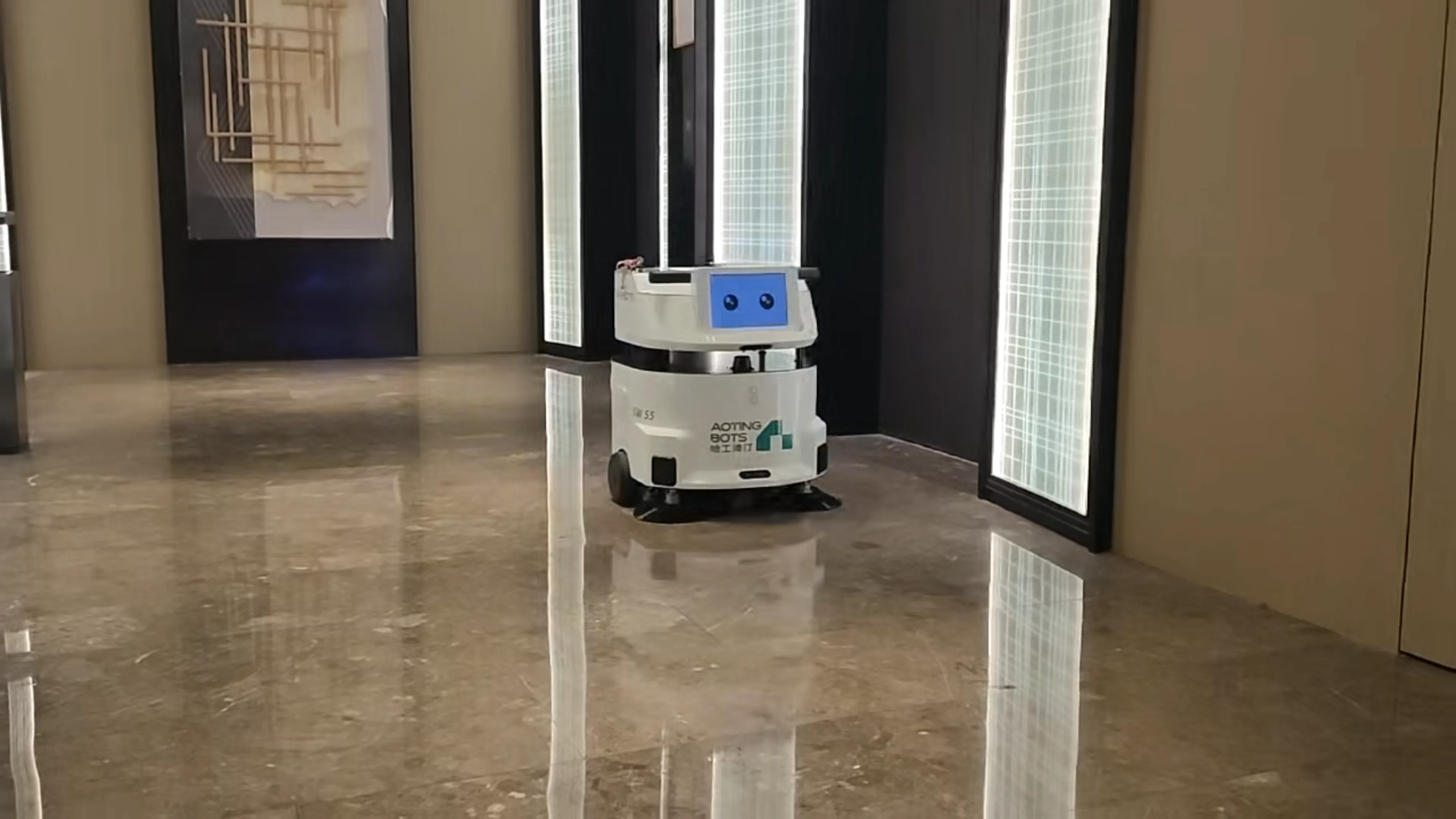
When auditing facility costs, project managers must compare the long-term ROI of automation against the rising variable costs of manual labor.
In large-volume production environments, the initial capital expenditure (CapEx) of a robot is often offset by the reduction in operational expenditure (OpEx) within 12 to 18 months, depending on the facility size and labor rates.
Large buildings present unique mechanical stressors. For an industrial robot to be effective, it must integrate seamlessly into the existing workflow without requiring a facility overhaul.
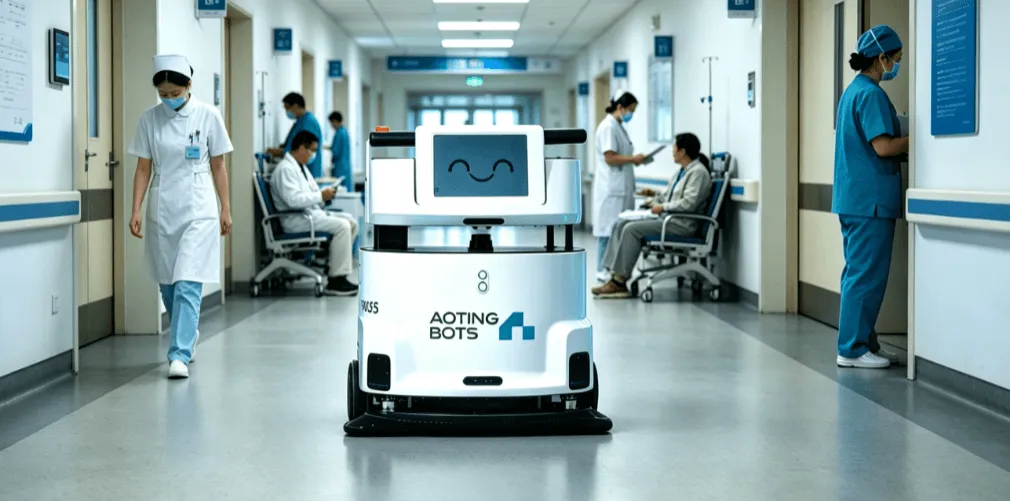
For multi-story corporate hubs or medical centers, robots must communicate with elevator control systems. Modern industrial robot cleaning solutions feature API integrations that allow the robot to signal an elevator, navigate to a different floor, and resume its task autonomously.
Top-tier solutions are no longer "standalone" machines. They are connected assets within the Industrial Internet of Things (IIoT). Through centralized cloud platforms, maintenance consultants can monitor water levels, battery health, and total area cleaned across a fleet of robots deployed in different geographic locations. This level of transparency is essential for maintaining ISO 9001 or LEED certifications in high-compliance buildings.
In the electronics and automotive sectors, sustainability is a structural requirement. Leading robotic scrubbers now include integrated water recycling systems. These systems filter used water through multi-stage membranes, allowing the robot to clean for up to 6 hours on a single tank, significantly reducing the "dead time" spent on refills.
The "Best" solution depends strictly on the flooring material and debris profile of the building.
Warehouses & Logistics: Prioritize robots with high-suction vacuums and heavy-duty cylindrical brushes to handle pallet dust and cardboard debris.
Manufacturing Plants: Automotive environments typ
ically require specialized degreaser dosing and high-pressure scrubbing to remove oil residues and tire marks.
Transit Hubs (Airports/Stations): Focus on quiet operation (<65dB) and advanced obstacle avoidance to navigate safely through dense passenger traffic.
Sampling delays may occur when testing sensor accuracy in high-glare environments (like glass-fronted lobbies). B2B buyers should evaluate a supplier’s ability to calibrate sensors specifically for their building's lighting and floor reflectivity.
From a B2B procurement standpoint, the machine itself is only 50% of the value. The remaining 50% lies in the support infrastructure provided by the industrial robot cleaning solution provider.
Software OTA Updates: Over-the-air updates ensure the robot’s navigation intelligence improves over its 5-year lifecycle.
Service Level Agreements (SLAs): In 24/7 manufacturing, a broken robot is a bottleneck. Ensure the supplier provides a robust local maintenance network and spare parts availability.
Customization Capability: OEM project managers often require custom branding or specialized brush heads. Verify if the manufacturer can adapt the hardware for your specific surface compatibility.
What is the typical lifespan of an industrial cleaning robot?
With a standardized preventative maintenance schedule, high-quality industrial robots are designed for a 5-to-7-year operational life. The primary consumables are the Lithium-ion batteries and scrubbing brushes.
Can the robot operate in a building with no Wi-Fi?
Yes. While cloud reporting requires a connection, most professional robots carry their maps and navigation logic "on the edge." They can clean autonomously and upload data once they return to a connected docking station.
How does the robot handle obstacles like staircases?
Safety is the highest priority. All industrial-grade robots are equipped with physical and redundant digital "cliff sensors" that prevent the unit from approaching stairs or drops, ensuring full compliance with workplace safety standards.
Is specialized training required for existing janitorial staff?
Usually, no. Most systems, such as the Aotingbot solution series, utilize an intuitive tablet interface. Staff are typically trained within one shift to manage daily maintenance like emptying the recovery tank and starting pre-set cleaning cycles.
How long does the battery last?
Depending on the scrubbing pressure and vacuum intensity, most industrial units offer 4 to 6 hours of continuous runtime. High-tier robots support "opportunity charging" at their docking stations to maintain 24/7 availability.
What is an industrial cleaning robot?
An industrial cleaning robot is an autonomous machine designed to perform floor cleaning tasks in factories, warehouses, and large commercial facilities with minimal human intervention.
How do industrial cleaning robots work?
Industrial cleaning robots use technologies such as LiDAR, sensors, cameras, and SLAM navigation to map environments, avoid obstacles, and complete scheduled cleaning tasks.
What industries can use cleaning robots?
Industrial cleaning robots are suitable for manufacturing plants, warehouses, logistics centers, commercial buildings, hospitals, and other large facilities.
ISO 13482:2014: Safety requirements for personal care robots (Service robots). ISO.org
IEEE Robotics and Automation Society: Technical papers on SLAM and autonomous navigation in high-traffic zones.
SGS Certification Reports: Safety and efficiency testing for industrial mobile assets.
ASTM F45: New standards for evaluating the performance of automated floor cleaning robots. ASTM.org
OSHA 1910 Subpart D: Standards for walking-working surfaces in industrial facilities.
Select an industrial robot cleaning solution based on navigation precision (SLAM), battery efficiency, and software integration. Automation ensures consistent hygiene while providing a clear ROI for facility owners managing large buildings.
In the landscape of modern facility management, "Industrial Robot Cleaning Solutions" refer to autonomous mobile robots (AMRs) engineered to maintain floor hygiene in large-scale environments such as warehouses, airports, and manufacturing plants. Unlike domestic vacuuming units, these industrial systems utilize high-performance sensors and AI-driven path planning to solve the systemic challenges of labor shortages and inconsistent cleaning quality.
For facility managers and procurement directors, the transition to robotic automation is a strategic shift toward data-driven maintenance. Modern solutions prioritize high uptime, measurable "proof of clean," and safety protocols that allow machines to operate alongside human personnel and heavy machinery.
The intelligence of a professional industrial robot cleaning solution rests on its ability to perceive a dynamic environment. While early automated systems relied on magnetic strips or beacons, modern high-tier robots utilize "Infrastructure-Free" navigation.
LiDAR & SLAM: Light Detection and Ranging (LiDAR) combined with Simultaneous Localization and Mapping (SLAM) allows the robot to build its own map. This is critical in large buildings where layouts often change due to inventory shifts.
Sensor Fusion: By integrating 3D ToF (Time of Flight) cameras, ultrasonic sensors, and cliff sensors, the robot can distinguish between a static pillar and a moving forklift or a human worker.
AI Path Planning: Advanced algorithms optimize the cleaning route to minimize overlap, ensuring maximum area coverage per battery charge.
When auditing facility costs, project managers must compare the long-term ROI of automation against the rising variable costs of manual labor.
In large-volume production environments, the initial capital expenditure (CapEx) of a robot is often offset by the reduction in operational expenditure (OpEx) within 12 to 18 months, depending on the facility size and labor rates.
Large buildings present unique mechanical stressors. For an industrial robot to be effective, it must integrate seamlessly into the existing workflow without requiring a facility overhaul.
For multi-story corporate hubs or medical centers, robots must communicate with elevator control systems. Modern industrial robot cleaning solutions feature API integrations that allow the robot to signal an elevator, navigate to a different floor, and resume its task autonomously.
Top-tier solutions are no longer "standalone" machines. They are connected assets within the Industrial Internet of Things (IIoT). Through centralized cloud platforms, maintenance consultants can monitor water levels, battery health, and total area cleaned across a fleet of robots deployed in different geographic locations. This level of transparency is essential for maintaining ISO 9001 or LEED certifications in high-compliance buildings.
In the electronics and automotive sectors, sustainability is a structural requirement. Leading robotic scrubbers now include integrated water recycling systems. These systems filter used water through multi-stage membranes, allowing the robot to clean for up to 6 hours on a single tank, significantly reducing the "dead time" spent on refills.
The "Best" solution depends strictly on the flooring material and debris profile of the building.
Warehouses & Logistics: Prioritize robots with high-suction vacuums and heavy-duty cylindrical brushes to handle pallet dust and cardboard debris.
Manufacturing Plants: Automotive environments typ
ically require specialized degreaser dosing and high-pressure scrubbing to remove oil residues and tire marks.
Transit Hubs (Airports/Stations): Focus on quiet operation (<65dB) and advanced obstacle avoidance to navigate safely through dense passenger traffic.
Sampling delays may occur when testing sensor accuracy in high-glare environments (like glass-fronted lobbies). B2B buyers should evaluate a supplier’s ability to calibrate sensors specifically for their building's lighting and floor reflectivity.
From a B2B procurement standpoint, the machine itself is only 50% of the value. The remaining 50% lies in the support infrastructure provided by the industrial robot cleaning solution provider.
Software OTA Updates: Over-the-air updates ensure the robot’s navigation intelligence improves over its 5-year lifecycle.
Service Level Agreements (SLAs): In 24/7 manufacturing, a broken robot is a bottleneck. Ensure the supplier provides a robust local maintenance network and spare parts availability.
Customization Capability: OEM project managers often require custom branding or specialized brush heads. Verify if the manufacturer can adapt the hardware for your specific surface compatibility.
What is the typical lifespan of an industrial cleaning robot?
With a standardized preventative maintenance schedule, high-quality industrial robots are designed for a 5-to-7-year operational life. The primary consumables are the Lithium-ion batteries and scrubbing brushes.
Can the robot operate in a building with no Wi-Fi?
Yes. While cloud reporting requires a connection, most professional robots carry their maps and navigation logic "on the edge." They can clean autonomously and upload data once they return to a connected docking station.
How does the robot handle obstacles like staircases?
Safety is the highest priority. All industrial-grade robots are equipped with physical and redundant digital "cliff sensors" that prevent the unit from approaching stairs or drops, ensuring full compliance with workplace safety standards.
Is specialized training required for existing janitorial staff?
Usually, no. Most systems, such as the Aotingbot solution series, utilize an intuitive tablet interface. Staff are typically trained within one shift to manage daily maintenance like emptying the recovery tank and starting pre-set cleaning cycles.
How long does the battery last?
Depending on the scrubbing pressure and vacuum intensity, most industrial units offer 4 to 6 hours of continuous runtime. High-tier robots support "opportunity charging" at their docking stations to maintain 24/7 availability.
What is an industrial cleaning robot?
An industrial cleaning robot is an autonomous machine designed to perform floor cleaning tasks in factories, warehouses, and large commercial facilities with minimal human intervention.
How do industrial cleaning robots work?
Industrial cleaning robots use technologies such as LiDAR, sensors, cameras, and SLAM navigation to map environments, avoid obstacles, and complete scheduled cleaning tasks.
What industries can use cleaning robots?
Industrial cleaning robots are suitable for manufacturing plants, warehouses, logistics centers, commercial buildings, hospitals, and other large facilities.
ISO 13482:2014: Safety requirements for personal care robots (Service robots). ISO.org
IEEE Robotics and Automation Society: Technical papers on SLAM and autonomous navigation in high-traffic zones.
SGS Certification Reports: Safety and efficiency testing for industrial mobile assets.
ASTM F45: New standards for evaluating the performance of automated floor cleaning robots. ASTM.org
OSHA 1910 Subpart D: Standards for walking-working surfaces in industrial facilities.
Select an industrial robot cleaning solution based on navigation precision (SLAM), battery efficiency, and software integration. Automation ensures consistent hygiene while providing a clear ROI for facility owners managing large buildings.
CONTACT US
we aim to become a global leader in manufacturer space service robotics and artificial intelligence.


