
CONTACT US
SEARCH WHAT YOU WANT
An AI-powered cleaning robot is defined as intelligent when it can perceive its environment, make autonomous decisions, and optimize tasks without human intervention. In industrial settings, true intelligence is measured by the robot's ability to handle dynamic obstacles and complex floor layouts. This autonomy relies on a sophisticated integration of hardware sensors and machine learning algorithms.
For facility managers and engineers, intelligence is not just a marketing term; it is a mechanical requirement for operational safety. Unlike traditional automated scrubbers, AI-driven units utilize real-time data to adapt to changing conditions in warehouses or factories.
The first pillar of intelligence is perception. A professional AI-powered cleaning robot uses "sensor fusion" to build a comprehensive view of its surroundings. By combining data from multiple sources, the robot eliminates blind spots and compensates for sensor limitations.
LiDAR (Light Detection and Ranging): Scans the environment with lasers to create high-precision 2D or 3D maps.
3D ToF (Time of Flight) Cameras: Provides depth perception to identify low-profile obstacles or overhead hazards.
Ultrasonic Sensors: Detects glass or highly reflective surfaces that might confuse laser-based systems.
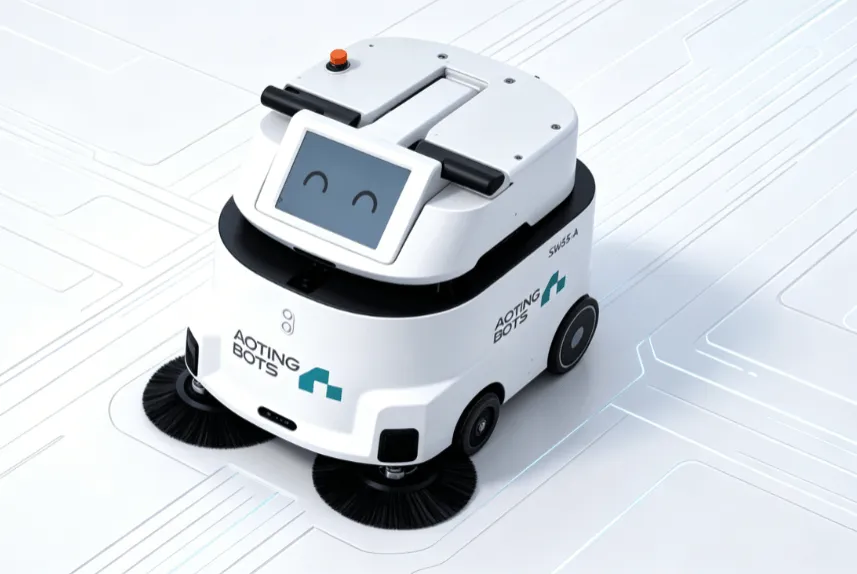
Intelligence manifests through SLAM (Simultaneous Localization and Mapping) technology. This allows a robot to build a map of an unknown area while simultaneously keeping track of its current location. In high-traffic logistics centers, SLAM ensures the robot does not get lost even if the physical layout changes.
Advanced navigation algorithms allow the robot to perform "dynamic path planning." Instead of following a rigid, pre-programmed line, the robot calculates the most efficient route in real-time. This reduces overlap and ensures that every square meter of the facility is sanitized with minimal energy consumption.
In large-volume production environments, the floor is never static. Forklifts move, pallets are relocated, and personnel cross paths frequently. Intelligence allows the robot to distinguish between a permanent wall and a temporary obstruction.
An AI-powered cleaning robot uses deep learning to predict the movement of dynamic objects. If a forklift crosses the aisle, the robot’s software evaluates whether to pause or maneuver around it. This prevents "bottlenecks" and maintains a safe workflow without interrupting factory operations.
Beyond movement, intelligence includes the management of resources like battery life, water levels, and chemical dosing. Smart robots are equipped with "predictive maintenance" logic. They can alert managers to potential mechanical issues before they lead to unscheduled downtime.
Industrial facilities often utilize integrated smart cleaning solutions to manage multiple units simultaneously. These platforms provide cloud-based analytics, showing exactly where, when, and how effectively the floors were cleaned. This level of data transparency is essential for facilities maintaining ISO or food-grade hygiene certifications.
Automotive environments typically require extreme precision in dust control. Intelligent robots can be programmed to increase scrubbing pressure or vacuum suction in high-contamination zones automatically. This "context-aware" cleaning ensures that the robot allocates resources only where they are needed most.
The ultimate sign of a robot's intelligence is its ability to learn over time. Through machine learning, these robots refine their maps and improve their pathing efficiency after every cycle. As IIoT (Industrial Internet of Things) matures, these robots will communicate directly with other facility assets.
For project managers, the commercial value of an AI-powered cleaning robot is found in the reduction of labor turnover and the consistency of the results. When the technology is truly intelligent, it becomes a "set-and-forget" asset that enhances the facility’s overall productivity.
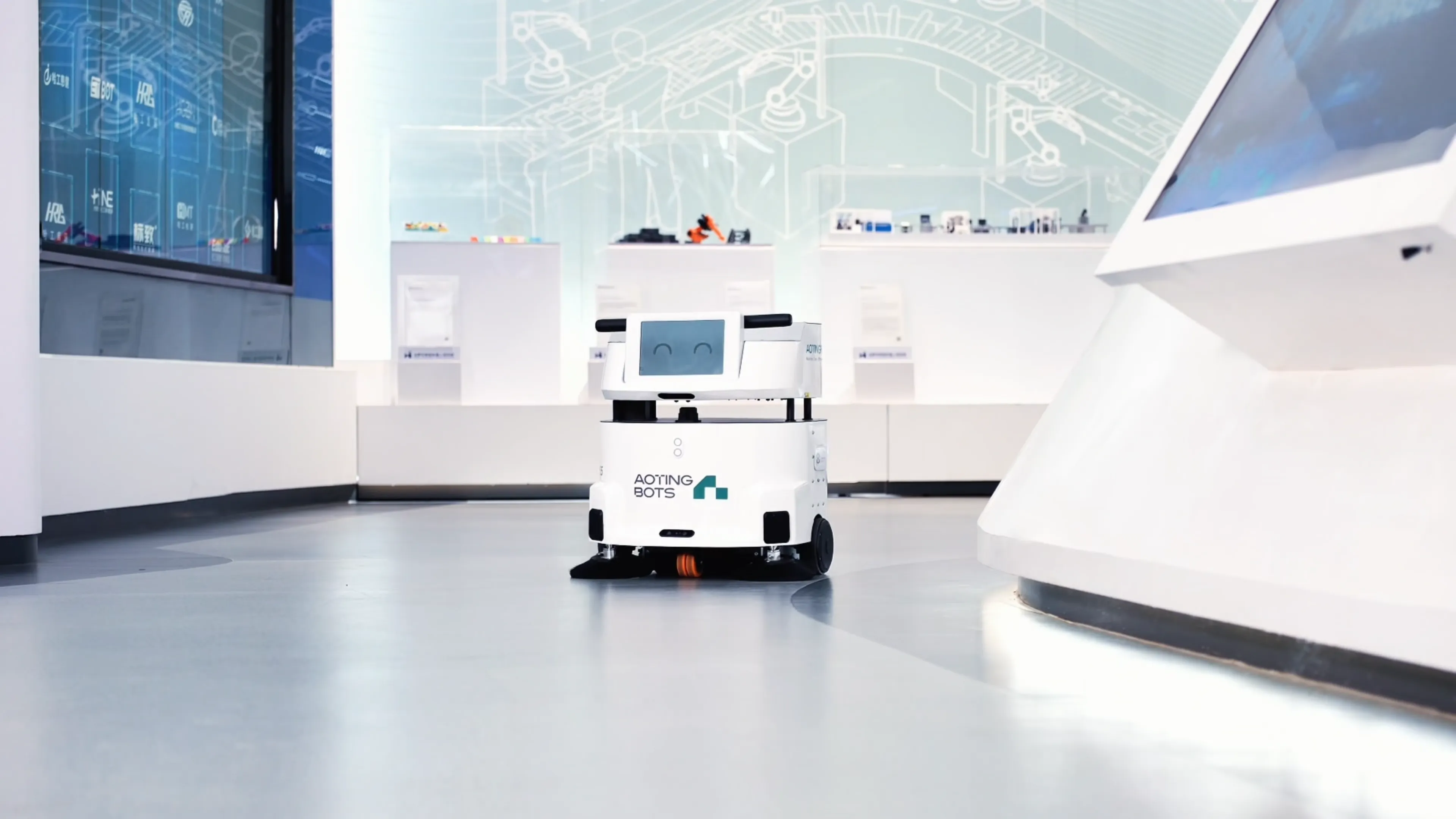
A standard vacuum robot uses basic bumping or infrared sensors for residential use. An industrial AI robot utilizes LiDAR, SLAM, and 3D cameras to navigate 100,000+ square foot facilities safely and autonomously.
Yes. LiDAR and 3D ToF sensors do not require ambient light to function. This allows AI-powered robots to perform "lights-out" cleaning shifts, saving significant energy costs for the facility.
SLAM stands for Simultaneous Localization and Mapping. It is the process by which a robot builds a map of an environment while keeping track of its own position within that map in real-time.
While most robots can navigate and clean offline, a connection is usually required for remote scheduling, fleet management, and downloading "Proof of Clean" reports.
Advanced units have sensors that can detect liquid spills or heavy debris. They can be programmed to perform a "spot-cleaning" maneuver, circling the area until the contamination is removed.
IEEE Robotics and Automation Society: Technical whitepapers on SLAM and autonomous navigation algorithms. ieee.org
ISO 13482:2014: Safety requirements for personal care robots (including industrial mobile bases). iso.org
LiDAR Standards (ASTM): Performance standards for laser-based distance and mapping sensors. astm.org
SGS Certification Reports: Safety and efficiency testing for industrial autonomous hardware.
AI Overview (National Institute of Standards and Technology): Guidelines for AI reliability and safety in industrial applications. nist.gov
True intelligence in an AI-powered cleaning robot is driven by the integration of SLAM navigation, sensor fusion, and real-time path optimization, ensuring industrial safety and ROI.
An AI-powered cleaning robot is defined as intelligent when it can perceive its environment, make autonomous decisions, and optimize tasks without human intervention. In industrial settings, true intelligence is measured by the robot's ability to handle dynamic obstacles and complex floor layouts. This autonomy relies on a sophisticated integration of hardware sensors and machine learning algorithms.
For facility managers and engineers, intelligence is not just a marketing term; it is a mechanical requirement for operational safety. Unlike traditional automated scrubbers, AI-driven units utilize real-time data to adapt to changing conditions in warehouses or factories.
The first pillar of intelligence is perception. A professional AI-powered cleaning robot uses "sensor fusion" to build a comprehensive view of its surroundings. By combining data from multiple sources, the robot eliminates blind spots and compensates for sensor limitations.
LiDAR (Light Detection and Ranging): Scans the environment with lasers to create high-precision 2D or 3D maps.
3D ToF (Time of Flight) Cameras: Provides depth perception to identify low-profile obstacles or overhead hazards.
Ultrasonic Sensors: Detects glass or highly reflective surfaces that might confuse laser-based systems.
Intelligence manifests through SLAM (Simultaneous Localization and Mapping) technology. This allows a robot to build a map of an unknown area while simultaneously keeping track of its current location. In high-traffic logistics centers, SLAM ensures the robot does not get lost even if the physical layout changes.
Advanced navigation algorithms allow the robot to perform "dynamic path planning." Instead of following a rigid, pre-programmed line, the robot calculates the most efficient route in real-time. This reduces overlap and ensures that every square meter of the facility is sanitized with minimal energy consumption.
In large-volume production environments, the floor is never static. Forklifts move, pallets are relocated, and personnel cross paths frequently. Intelligence allows the robot to distinguish between a permanent wall and a temporary obstruction.
An AI-powered cleaning robot uses deep learning to predict the movement of dynamic objects. If a forklift crosses the aisle, the robot’s software evaluates whether to pause or maneuver around it. This prevents "bottlenecks" and maintains a safe workflow without interrupting factory operations.
Beyond movement, intelligence includes the management of resources like battery life, water levels, and chemical dosing. Smart robots are equipped with "predictive maintenance" logic. They can alert managers to potential mechanical issues before they lead to unscheduled downtime.
Industrial facilities often utilize integrated smart cleaning solutions to manage multiple units simultaneously. These platforms provide cloud-based analytics, showing exactly where, when, and how effectively the floors were cleaned. This level of data transparency is essential for facilities maintaining ISO or food-grade hygiene certifications.
Automotive environments typically require extreme precision in dust control. Intelligent robots can be programmed to increase scrubbing pressure or vacuum suction in high-contamination zones automatically. This "context-aware" cleaning ensures that the robot allocates resources only where they are needed most.
The ultimate sign of a robot's intelligence is its ability to learn over time. Through machine learning, these robots refine their maps and improve their pathing efficiency after every cycle. As IIoT (Industrial Internet of Things) matures, these robots will communicate directly with other facility assets.
For project managers, the commercial value of an AI-powered cleaning robot is found in the reduction of labor turnover and the consistency of the results. When the technology is truly intelligent, it becomes a "set-and-forget" asset that enhances the facility’s overall productivity.
A standard vacuum robot uses basic bumping or infrared sensors for residential use. An industrial AI robot utilizes LiDAR, SLAM, and 3D cameras to navigate 100,000+ square foot facilities safely and autonomously.
Yes. LiDAR and 3D ToF sensors do not require ambient light to function. This allows AI-powered robots to perform "lights-out" cleaning shifts, saving significant energy costs for the facility.
SLAM stands for Simultaneous Localization and Mapping. It is the process by which a robot builds a map of an environment while keeping track of its own position within that map in real-time.
While most robots can navigate and clean offline, a connection is usually required for remote scheduling, fleet management, and downloading "Proof of Clean" reports.
Advanced units have sensors that can detect liquid spills or heavy debris. They can be programmed to perform a "spot-cleaning" maneuver, circling the area until the contamination is removed.
IEEE Robotics and Automation Society: Technical whitepapers on SLAM and autonomous navigation algorithms. ieee.org
ISO 13482:2014: Safety requirements for personal care robots (including industrial mobile bases). iso.org
LiDAR Standards (ASTM): Performance standards for laser-based distance and mapping sensors. astm.org
SGS Certification Reports: Safety and efficiency testing for industrial autonomous hardware.
AI Overview (National Institute of Standards and Technology): Guidelines for AI reliability and safety in industrial applications. nist.gov
True intelligence in an AI-powered cleaning robot is driven by the integration of SLAM navigation, sensor fusion, and real-time path optimization, ensuring industrial safety and ROI.
CONTACT US
we aim to become a global leader in manufacturer space service robotics and artificial intelligence.


