
CONTACT US
SEARCH WHAT YOU WANT
The landscape of professional floor maintenance is undergoing a paradigm shift. For facility managers and industrial procurement specialists, a smart cleaning robot is no longer a futuristic concept—it is a critical tool for operational efficiency. Unlike consumer-grade vacuums, a commercial smart cleaning robot is a high-duty, autonomous asset designed to manage large-scale environments with precision, consistency, and data-backed performance.
In this guide, we examine the technical architecture of these machines, the commercial drivers for their adoption, and how to evaluate their performance in high-traffic or industrial settings.
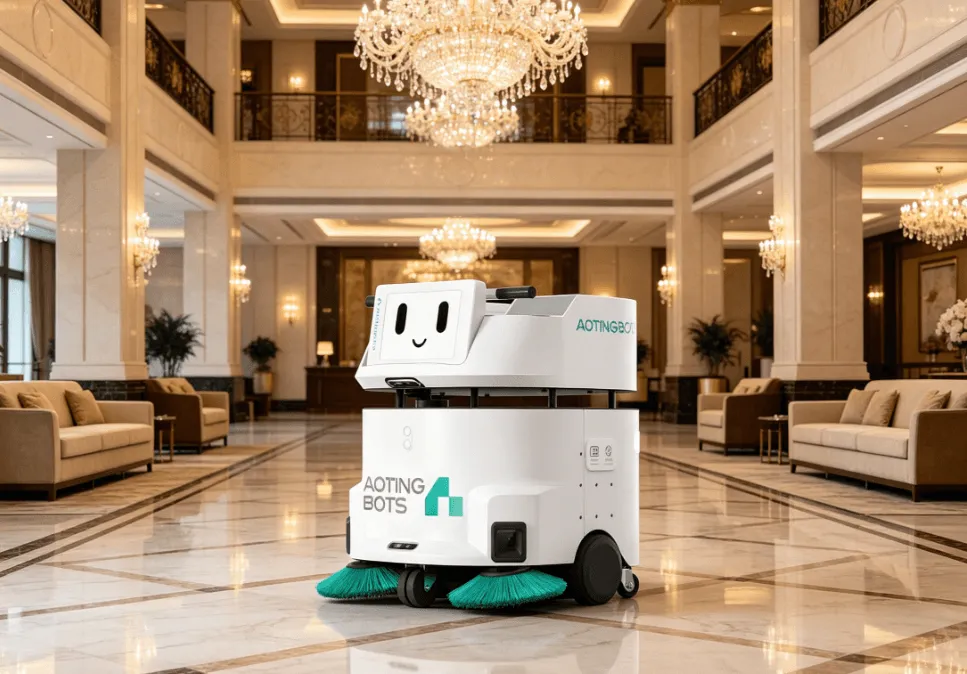
At its core, a smart cleaning robot is an integration of robotics, sensor fusion, and AI-driven path planning. While a traditional scrubber-dryer requires a human operator, a smart system utilizes a "perception-decision-execution" loop.
1. Perception Layer (Sensor Fusion)
Commercial robots like the SW55-A utilize a suite of sensors to interpret their environment. This typically includes:
LiDAR (Light Detection and Ranging): High-precision laser scanning for 360-degree mapping.
3D Depth Cameras (ToF): For detecting low-profile obstacles or "cliff" edges (stairs).
Ultrasonic Sensors: To identify transparent surfaces like glass partitions that LiDAR might miss.
2. Decision Layer (SLAM Technology)
Simultaneous Localization and Mapping (SLAM) is the "brain." It allows the robot to build a map of an unfamiliar warehouse or mall while simultaneously tracking its own location within that map. This ensures 99% coverage efficiency, avoiding the "random bounce" patterns seen in low-end consumer devices.
3. Execution Layer (Mechanical Engineering)
The smart element extends to the cleaning deck. High-end models dynamically adjust downward pressure and water flow based on floor type or soil levels, ensuring the substrate is cleaned without unnecessary wear or water waste.
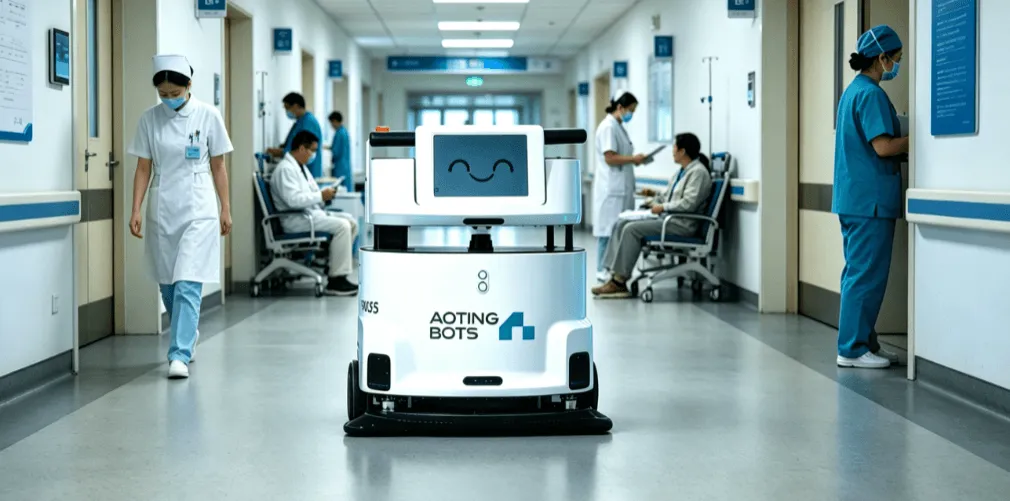
When evaluating smart cleaning robots for business use, it is vital to distinguish between a "gadget" and "industrial equipment." The following table highlights the critical differences for procurement teams.
For a manufacturing consultant or facility manager, the decision to invest in a smart cleaning robot is driven by quantifiable metrics. If a robot cannot outperform a manual crew in specific KPIs, the investment is difficult to justify.
Productivity Rate (sqm/h): A commercial robot should ideally cover between 1,200 and 3,000 square meters per hour. The SW55-A, for instance, is designed for high-efficiency scrubbing that matches the output of a manual ride-on scrubber but without the labor cost.
Autonomy Ratio: This measures how much of the cleaning cycle is completed without human intervention. High-end systems feature automated docking stations for charging and water exchange, pushing the autonomy ratio toward 95%.
Cleanliness Consistency: Human operators vary in performance. An autonomous robot applies the same pressure and travel speed every time, ensuring a standardized level of hygiene—critical for ISO-certified facilities or healthcare environments.
In professional environments, floors are rarely uniform. A warehouse might have polished concrete, while the adjacent office has vinyl tiling. The SW55-A Smart Cleaning Robot illustrates the modern requirement for "multi-modality."
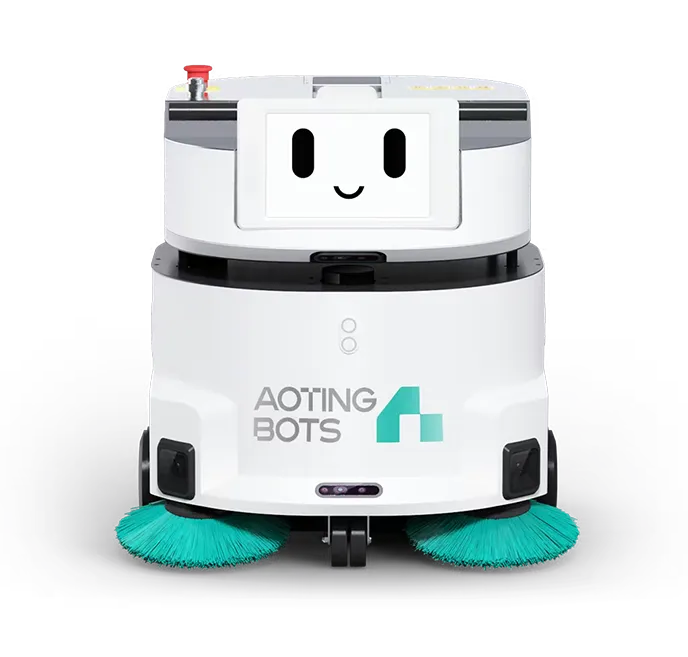
By integrating four functions—sweeping, scrubbing, vacuuming, and mopping—into a single autonomous unit, the machine eliminates the need for a "pre-sweep" crew. In a large-scale logistics center, this reduces the total equipment footprint and simplifies maintenance schedules. Furthermore, its 75L clean water tank and 50L recovery tank are engineered for long-dwell times, minimizing the downtime associated with frequent refilling.
The commercial intent behind adopting smart cleaning robots is often rooted in three primary economic drivers:
Labor Scarcity: The turnover rate in the commercial cleaning industry often exceeds 200%. Robots provide a "stable workforce" that doesn't call in sick or require overtime pay for night shifts.
Resource Optimization: Smart robots use precisely metered water and chemical amounts. Over a fiscal year, this reduction in consumables can lower operational costs by 15-20%.
Data Transparency: Modern robots provide digital "proof of work." Managers receive heat maps and performance reports, allowing for data-driven decisions on facility maintenance schedules.
When moving from research to procurement, use these engineering-focused criteria to vet suppliers:
Safety Certifications: Ensure the robot meets local safety standards for autonomous operation in public spaces (e.g., CE, RoHS, or specific robotics safety standards like ISO 13482).
Software Integration: Can the robot integrate with your Building Management System (BMS)? Does it offer a cloud-based fleet management platform?
Serviceability: In an industrial environment, downtime is costly. Evaluate the availability of modular spare parts (brushes, squeegees, batteries) and the supplier's technical support workflow.
Environmental Adaptability: Does the SLAM system handle "dynamic environments"? A robot that gets "lost" every time a forklift moves a pallet is not truly smart.
How does a smart cleaning robot handle elevators or multiple floors?
Advanced commercial robots can be integrated with a building’s elevator control system via API or IoT modules. This allows the robot to call the elevator, select a floor, and navigate autonomously across a multi-story facility.
What is the typical lifespan of an industrial smart cleaning robot?
With proper maintenance of the lithium-ion battery and wear parts (brushes/squeegees), an industrial-grade robot is typically engineered for a 5-to-7-year service life in high-duty cycles.
Can these robots operate in complete darkness?
Yes. Unlike VSLAM (Vision-based) robots that require ambient light to "see" landmarks, LiDAR-based systems like the SW55-A use active laser scanning, allowing them to operate with 100% accuracy in pitch-black warehouses or during night shifts to save on energy costs.
How do I calculate the ROI for a smart cleaning robot?
ROI is calculated by comparing the Total Cost of Ownership (TCO)—including the purchase price, maintenance, and electricity—against the annual cost of manual labor (wages, insurance, training, and turnover costs). Most commercial facilities see a break-even point within 12 to 18 months.
ISO 13482:2014 - Robots and robotic devices — Safety requirements for personal care robots (includes commercial floor care).
https://www.iso.org/standard/53820.html
IEEE Xplore - Research on SLAM and Autonomous Navigation in Dynamic Environments.
https://ieeexplore.ieee.org/Xplore/home.jsp
SGS Certification Database - Verification of electrical and mechanical safety for industrial cleaning machinery.
https://www.sgs.com/en
IFR (International Federation of Robotics) - World Robotics Report on Service Robots.
https://ifr.org/worldrobotics/
The landscape of professional floor maintenance is undergoing a paradigm shift. For facility managers and industrial procurement specialists, a smart cleaning robot is no longer a futuristic concept—it is a critical tool for operational efficiency. Unlike consumer-grade vacuums, a commercial smart cleaning robot is a high-duty, autonomous asset designed to manage large-scale environments with precision, consistency, and data-backed performance.
In this guide, we examine the technical architecture of these machines, the commercial drivers for their adoption, and how to evaluate their performance in high-traffic or industrial settings.
At its core, a smart cleaning robot is an integration of robotics, sensor fusion, and AI-driven path planning. While a traditional scrubber-dryer requires a human operator, a smart system utilizes a "perception-decision-execution" loop.
1. Perception Layer (Sensor Fusion)
Commercial robots like the SW55-A utilize a suite of sensors to interpret their environment. This typically includes:
LiDAR (Light Detection and Ranging): High-precision laser scanning for 360-degree mapping.
3D Depth Cameras (ToF): For detecting low-profile obstacles or "cliff" edges (stairs).
Ultrasonic Sensors: To identify transparent surfaces like glass partitions that LiDAR might miss.
2. Decision Layer (SLAM Technology)
Simultaneous Localization and Mapping (SLAM) is the "brain." It allows the robot to build a map of an unfamiliar warehouse or mall while simultaneously tracking its own location within that map. This ensures 99% coverage efficiency, avoiding the "random bounce" patterns seen in low-end consumer devices.
3. Execution Layer (Mechanical Engineering)
The smart element extends to the cleaning deck. High-end models dynamically adjust downward pressure and water flow based on floor type or soil levels, ensuring the substrate is cleaned without unnecessary wear or water waste.
When evaluating smart cleaning robots for business use, it is vital to distinguish between a "gadget" and "industrial equipment." The following table highlights the critical differences for procurement teams.
For a manufacturing consultant or facility manager, the decision to invest in a smart cleaning robot is driven by quantifiable metrics. If a robot cannot outperform a manual crew in specific KPIs, the investment is difficult to justify.
Productivity Rate (sqm/h): A commercial robot should ideally cover between 1,200 and 3,000 square meters per hour. The SW55-A, for instance, is designed for high-efficiency scrubbing that matches the output of a manual ride-on scrubber but without the labor cost.
Autonomy Ratio: This measures how much of the cleaning cycle is completed without human intervention. High-end systems feature automated docking stations for charging and water exchange, pushing the autonomy ratio toward 95%.
Cleanliness Consistency: Human operators vary in performance. An autonomous robot applies the same pressure and travel speed every time, ensuring a standardized level of hygiene—critical for ISO-certified facilities or healthcare environments.
In professional environments, floors are rarely uniform. A warehouse might have polished concrete, while the adjacent office has vinyl tiling. The SW55-A Smart Cleaning Robot illustrates the modern requirement for "multi-modality."
By integrating four functions—sweeping, scrubbing, vacuuming, and mopping—into a single autonomous unit, the machine eliminates the need for a "pre-sweep" crew. In a large-scale logistics center, this reduces the total equipment footprint and simplifies maintenance schedules. Furthermore, its 75L clean water tank and 50L recovery tank are engineered for long-dwell times, minimizing the downtime associated with frequent refilling.
The commercial intent behind adopting smart cleaning robots is often rooted in three primary economic drivers:
Labor Scarcity: The turnover rate in the commercial cleaning industry often exceeds 200%. Robots provide a "stable workforce" that doesn't call in sick or require overtime pay for night shifts.
Resource Optimization: Smart robots use precisely metered water and chemical amounts. Over a fiscal year, this reduction in consumables can lower operational costs by 15-20%.
Data Transparency: Modern robots provide digital "proof of work." Managers receive heat maps and performance reports, allowing for data-driven decisions on facility maintenance schedules.
When moving from research to procurement, use these engineering-focused criteria to vet suppliers:
Safety Certifications: Ensure the robot meets local safety standards for autonomous operation in public spaces (e.g., CE, RoHS, or specific robotics safety standards like ISO 13482).
Software Integration: Can the robot integrate with your Building Management System (BMS)? Does it offer a cloud-based fleet management platform?
Serviceability: In an industrial environment, downtime is costly. Evaluate the availability of modular spare parts (brushes, squeegees, batteries) and the supplier's technical support workflow.
Environmental Adaptability: Does the SLAM system handle "dynamic environments"? A robot that gets "lost" every time a forklift moves a pallet is not truly smart.
How does a smart cleaning robot handle elevators or multiple floors?
Advanced commercial robots can be integrated with a building’s elevator control system via API or IoT modules. This allows the robot to call the elevator, select a floor, and navigate autonomously across a multi-story facility.
What is the typical lifespan of an industrial smart cleaning robot?
With proper maintenance of the lithium-ion battery and wear parts (brushes/squeegees), an industrial-grade robot is typically engineered for a 5-to-7-year service life in high-duty cycles.
Can these robots operate in complete darkness?
Yes. Unlike VSLAM (Vision-based) robots that require ambient light to "see" landmarks, LiDAR-based systems like the SW55-A use active laser scanning, allowing them to operate with 100% accuracy in pitch-black warehouses or during night shifts to save on energy costs.
How do I calculate the ROI for a smart cleaning robot?
ROI is calculated by comparing the Total Cost of Ownership (TCO)—including the purchase price, maintenance, and electricity—against the annual cost of manual labor (wages, insurance, training, and turnover costs). Most commercial facilities see a break-even point within 12 to 18 months.
ISO 13482:2014 - Robots and robotic devices — Safety requirements for personal care robots (includes commercial floor care).
https://www.iso.org/standard/53820.html
IEEE Xplore - Research on SLAM and Autonomous Navigation in Dynamic Environments.
https://ieeexplore.ieee.org/Xplore/home.jsp
SGS Certification Database - Verification of electrical and mechanical safety for industrial cleaning machinery.
https://www.sgs.com/en
IFR (International Federation of Robotics) - World Robotics Report on Service Robots.
https://ifr.org/worldrobotics/
CONTACT US
we aim to become a global leader in manufacturer space service robotics and artificial intelligence.


