
CONTACT US
SEARCH WHAT YOU WANT
Industrial cleaning automation refers to the integration of autonomous mobile robots (AMRs) and specialized hardware to maintain floor hygiene in large-scale facilities. Unlike domestic vacuuming, industrial systems are engineered for 24/7 duty cycles, handling high-traffic zones and diverse debris types. Modern facilities adopt this technology to solve labor shortages, improve safety protocols, and ensure environmental compliance through data-driven maintenance.
In the context of Industry 4.0, floor cleanliness is no longer a peripheral janitorial task. It is a critical component of equipment longevity and worker health. Automated scrubbers and sweepers utilize SLAM (Simultaneous Localization and Mapping) technology to navigate complex factory layouts without human intervention.
Traditional industrial cleaning relies on manual walk-behind or ride-on scrubbers. These methods are inherently limited by human fatigue, inconsistent coverage, and high operational costs. Industrial cleaning automation replaces these variables with predictable, repeatable performance.
The transition to automation is driven by the need for high-frequency cleaning. In large-volume production, dust and chemical residues accumulate rapidly. Manual teams often struggle to maintain schedules during peak production shifts. Autonomous robots can operate during "lights-out" hours or in between shifts, ensuring the facility is always ready for the next cycle.
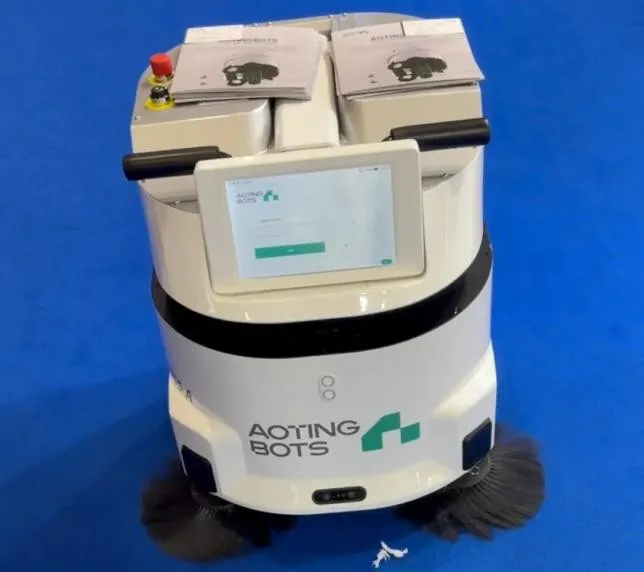
Industrial environments present unique stressors that standard cleaning tools cannot withstand. From oil spills in automotive plants to fine dust in electronics manufacturing, the flooring requires specific mechanical treatment.
Manual cleaning often suffers from the following logic gaps:
Path Inconsistency: Human operators rarely achieve 100% floor coverage, often missing corners or high-density racking areas.
Operational Downtime: Cleaning usually requires shutting down a section of the floor to prevent slip-and-fall accidents.
Resource Waste: Manual systems often over-dispense water or chemicals, leading to higher material costs and environmental impact.
Industrial cleaning automation addresses these by utilizing precise dosing systems and optimized path planning. This ensures every square meter is treated with the exact volume of solution required, significantly reducing liquid waste.
The intelligence of a warehouse or factory cleaning robot lies in its sensor suite. For a robot to be effective in a smart factory, it must possess high-level situational awareness.
These technologies ensure that the robot does not interfere with existing manufacturing workflows. In high-traffic environments, such as those seen in specialized factory deployments, robots are programmed with multi-layered safety protocols to yield to heavy machinery and human personnel automatically.
Safety is the highest priority in industrial facilities. Slippery floors and accumulated debris are primary causes of workplace injuries and forklift skidding. Industrial cleaning automation provides a proactive approach to risk management.
Impact on Safety Protocols:
Real-time Spill Response: Smart robots can be deployed immediately to high-risk areas.
Predictable Floor Traction: Consistent scrubbing maintains the Coefficient of Friction (CoF) of the floor surface.
Reduced Human Exposure: Automation keeps staff away from potentially hazardous cleaning chemicals or high-traffic machinery zones.
Furthermore, many industries—such as food processing and pharmaceuticals—require strict hygiene audits. Autonomous systems generate digital "Proof of Clean" reports. These logs provide timestamped evidence of cleaning cycles, which is invaluable for ISO certifications and regulatory inspections.
LEAN manufacturing focuses on the elimination of waste. Manual floor maintenance is often "muda" (waste) due to the labor hours involved. By automating this process, facilities can reallocate human labor to more complex, value-added tasks like equipment maintenance or quality inspection.
In automotive or electronics environments, dust control is vital for equipment precision. Micro-particulates can clog air filtration systems or damage sensitive CNC components. Continuous industrial cleaning automation keeps these particles at bay, indirectly extending the mean time between failures (MTBF) for production machinery.
Facilities operating multiple sites can manage their entire fleet through a single cloud interface. This centralized control allows managers to monitor water usage, battery health, and total area cleaned across several geographical locations.
Integrating automation requires an evaluation of the facility's physical constraints. Engineers typically assess floor materials (epoxy, polished concrete, or industrial tile) and the presence of ramps or elevators.
Modern autonomous scrubbers are designed for high scalability. They can be integrated into the facility's elevator systems and docking stations for automatic water refilling and battery charging. This level of autonomy ensures the system remains "hands-off" for weeks at a time, allowing maintenance managers to focus on high-level facility optimization.
What is the difference between a cleaning robot and an industrial AMR?
While both move autonomously, an industrial cleaning AMR is specifically rated for durability, large water tank capacities, and the ability to navigate dynamic factory floors with heavy forklift traffic.
Can industrial cleaning automation work on uneven floors?
Most industrial-grade robots are designed with specialized suspension and high-torque motors to handle standard facility ramps and minor floor transitions. However, extreme inclines may require specific hardware configurations.
How does automation handle oil or grease?
Industrial robots use heavy-duty cylindrical or disc brushes and adjustable down-pressure. When paired with the correct industrial degreasers, they are highly effective at removing oil residues in automotive and machining environments.
Is specialized training required for factory staff?
Staff typically only need a basic orientation on how to set schedules and perform routine maintenance like emptying the recovery tank or cleaning the brushes. The mapping and navigation are usually handled by the software.
How long do these robots operate on a single charge?
Depending on the battery chemistry (usually Lithium-ion), most industrial units offer 4 to 6 hours of continuous scrubbing. Automatic docking allows the robot to recharge and resume its path without human intervention.
ISO 13482: Robots and robotic devices — Safety requirements for personal care robots (industrial mobile bases). ISO.org
OSHA 1910 Subpart D: Walking-Working Surfaces standards for industrial safety. OSHA.gov
ANSI/RIA R15.08: American National Standard for Industrial Mobile Robots.
IEEE Robotics and Automation Society: Technical papers on SLAM and autonomous navigation in industrial zones. IEEE.org
SGS Certification: Safety and efficiency testing for industrial autonomous hardware.
Industrial cleaning automation refers to the integration of autonomous mobile robots (AMRs) and specialized hardware to maintain floor hygiene in large-scale facilities. Unlike domestic vacuuming, industrial systems are engineered for 24/7 duty cycles, handling high-traffic zones and diverse debris types. Modern facilities adopt this technology to solve labor shortages, improve safety protocols, and ensure environmental compliance through data-driven maintenance.
In the context of Industry 4.0, floor cleanliness is no longer a peripheral janitorial task. It is a critical component of equipment longevity and worker health. Automated scrubbers and sweepers utilize SLAM (Simultaneous Localization and Mapping) technology to navigate complex factory layouts without human intervention.
Traditional industrial cleaning relies on manual walk-behind or ride-on scrubbers. These methods are inherently limited by human fatigue, inconsistent coverage, and high operational costs. Industrial cleaning automation replaces these variables with predictable, repeatable performance.
The transition to automation is driven by the need for high-frequency cleaning. In large-volume production, dust and chemical residues accumulate rapidly. Manual teams often struggle to maintain schedules during peak production shifts. Autonomous robots can operate during "lights-out" hours or in between shifts, ensuring the facility is always ready for the next cycle.
Industrial environments present unique stressors that standard cleaning tools cannot withstand. From oil spills in automotive plants to fine dust in electronics manufacturing, the flooring requires specific mechanical treatment.
Manual cleaning often suffers from the following logic gaps:
Path Inconsistency: Human operators rarely achieve 100% floor coverage, often missing corners or high-density racking areas.
Operational Downtime: Cleaning usually requires shutting down a section of the floor to prevent slip-and-fall accidents.
Resource Waste: Manual systems often over-dispense water or chemicals, leading to higher material costs and environmental impact.
Industrial cleaning automation addresses these by utilizing precise dosing systems and optimized path planning. This ensures every square meter is treated with the exact volume of solution required, significantly reducing liquid waste.
The intelligence of a warehouse or factory cleaning robot lies in its sensor suite. For a robot to be effective in a smart factory, it must possess high-level situational awareness.
These technologies ensure that the robot does not interfere with existing manufacturing workflows. In high-traffic environments, such as those seen in specialized factory deployments, robots are programmed with multi-layered safety protocols to yield to heavy machinery and human personnel automatically.
Safety is the highest priority in industrial facilities. Slippery floors and accumulated debris are primary causes of workplace injuries and forklift skidding. Industrial cleaning automation provides a proactive approach to risk management.
Impact on Safety Protocols:
Real-time Spill Response: Smart robots can be deployed immediately to high-risk areas.
Predictable Floor Traction: Consistent scrubbing maintains the Coefficient of Friction (CoF) of the floor surface.
Reduced Human Exposure: Automation keeps staff away from potentially hazardous cleaning chemicals or high-traffic machinery zones.
Furthermore, many industries—such as food processing and pharmaceuticals—require strict hygiene audits. Autonomous systems generate digital "Proof of Clean" reports. These logs provide timestamped evidence of cleaning cycles, which is invaluable for ISO certifications and regulatory inspections.
LEAN manufacturing focuses on the elimination of waste. Manual floor maintenance is often "muda" (waste) due to the labor hours involved. By automating this process, facilities can reallocate human labor to more complex, value-added tasks like equipment maintenance or quality inspection.
In automotive or electronics environments, dust control is vital for equipment precision. Micro-particulates can clog air filtration systems or damage sensitive CNC components. Continuous industrial cleaning automation keeps these particles at bay, indirectly extending the mean time between failures (MTBF) for production machinery.
Facilities operating multiple sites can manage their entire fleet through a single cloud interface. This centralized control allows managers to monitor water usage, battery health, and total area cleaned across several geographical locations.
Integrating automation requires an evaluation of the facility's physical constraints. Engineers typically assess floor materials (epoxy, polished concrete, or industrial tile) and the presence of ramps or elevators.
Modern autonomous scrubbers are designed for high scalability. They can be integrated into the facility's elevator systems and docking stations for automatic water refilling and battery charging. This level of autonomy ensures the system remains "hands-off" for weeks at a time, allowing maintenance managers to focus on high-level facility optimization.
What is the difference between a cleaning robot and an industrial AMR?
While both move autonomously, an industrial cleaning AMR is specifically rated for durability, large water tank capacities, and the ability to navigate dynamic factory floors with heavy forklift traffic.
Can industrial cleaning automation work on uneven floors?
Most industrial-grade robots are designed with specialized suspension and high-torque motors to handle standard facility ramps and minor floor transitions. However, extreme inclines may require specific hardware configurations.
How does automation handle oil or grease?
Industrial robots use heavy-duty cylindrical or disc brushes and adjustable down-pressure. When paired with the correct industrial degreasers, they are highly effective at removing oil residues in automotive and machining environments.
Is specialized training required for factory staff?
Staff typically only need a basic orientation on how to set schedules and perform routine maintenance like emptying the recovery tank or cleaning the brushes. The mapping and navigation are usually handled by the software.
How long do these robots operate on a single charge?
Depending on the battery chemistry (usually Lithium-ion), most industrial units offer 4 to 6 hours of continuous scrubbing. Automatic docking allows the robot to recharge and resume its path without human intervention.
ISO 13482: Robots and robotic devices — Safety requirements for personal care robots (industrial mobile bases). ISO.org
OSHA 1910 Subpart D: Walking-Working Surfaces standards for industrial safety. OSHA.gov
ANSI/RIA R15.08: American National Standard for Industrial Mobile Robots.
IEEE Robotics and Automation Society: Technical papers on SLAM and autonomous navigation in industrial zones. IEEE.org
SGS Certification: Safety and efficiency testing for industrial autonomous hardware.
CONTACT US
we aim to become a global leader in manufacturer space service robotics and artificial intelligence.


