
CONTACT US
SEARCH WHAT YOU WANT
Industrial environments are undergoing a massive transformation in 2026. Maintaining a clean workspace is no longer just about aesthetics. It is now a critical factor for operational efficiency. Traditional cleaning methods often rely heavily on water and chemical detergents. However, many modern facilities are shifting toward dry solutions. This change is driven by the significant waterless cleaning benefits available today.
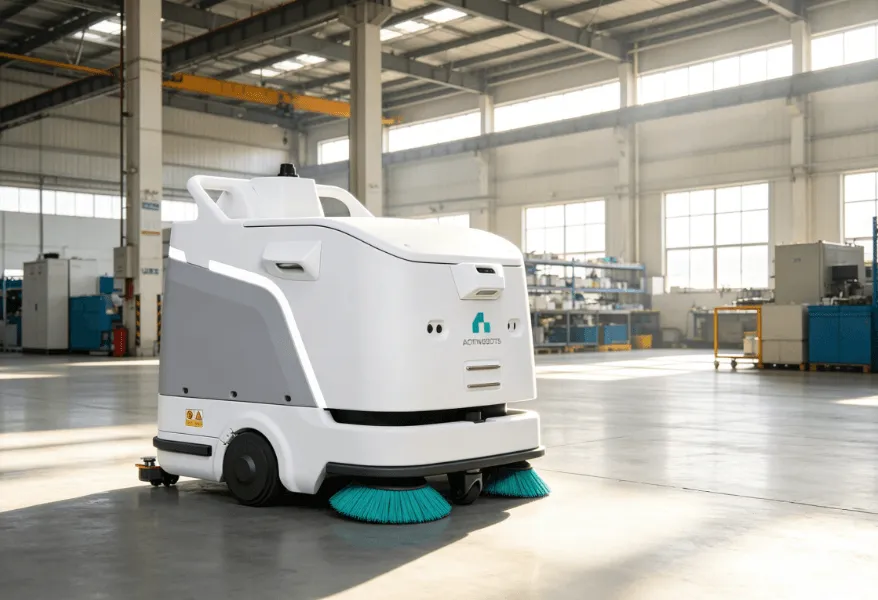
Managers are looking for ways to reduce downtime and improve safety. Water-based cleaning often leaves floors damp and dangerous. It can also damage sensitive electronic equipment found in high-tech factories. Dry cleaning technologies offer a powerful alternative for these challenging spaces. By removing the need for moisture, facilities can maintain continuous operations.
The rise of autonomous robotics has accelerated this trend. Smart machines can now sweep and vacuum large areas with precision. These systems provide a level of consistency that manual labor cannot match. Understanding these advantages helps businesses make better infrastructure decisions.
Traditional wet mopping creates several risks in a fast-paced warehouse. Damp floors are a leading cause of workplace accidents. Slip and fall incidents account for nearly 15% of all accidental deaths. By eliminating water, companies can significantly reduce these safety hazards. Waterless cleaning benefits include the immediate use of floor space after cleaning.
Furthermore, many industrial materials react poorly to moisture. Facilities handling paper, wood, or electronics must keep humidity levels low. Water-based cleaning can introduce unwanted moisture into the air. This often leads to mold growth or equipment corrosion over time. Dry cleaning solutions protect these valuable assets from environmental damage.
Sustainability is another major driver for this technological shift. Water scarcity is a growing concern for global industries in 2026. Reducing water consumption helps companies meet strict environmental regulations. It also lowers the cost of water procurement and wastewater treatment. Dry systems offer a greener path for industrial maintenance.
The move toward dry cleaning provides measurable financial gains. One of the primary waterless cleaning benefits is the reduction in labor costs. Robotic systems can operate autonomously during off-hours or peak shifts. This allows human workers to focus on more complex tasks.
Energy efficiency is another area where dry systems excel. Modern sweeping robots use advanced filtration to capture fine dust. This prevents particles from circulating back into the facility air. Improved air quality reduces the load on HVAC systems. Consequently, facilities often see a drop in monthly energy bills.
Data shows that dry robotic systems can improve productivity by 30%. They eliminate the time spent filling and emptying water tanks. This means the machines spend more time cleaning and less time in maintenance. Waterless cleaning benefits translate directly into a stronger bottom line for manufacturers.
Safety is the cornerstone of any successful industrial operation. Industrial robots designed for dry cleaning use high-precision sensors. These sensors detect obstacles and personnel in real-time. This prevents collisions in busy corridors or production lines. Waterless cleaning benefits extend to the physical health of the workforce.
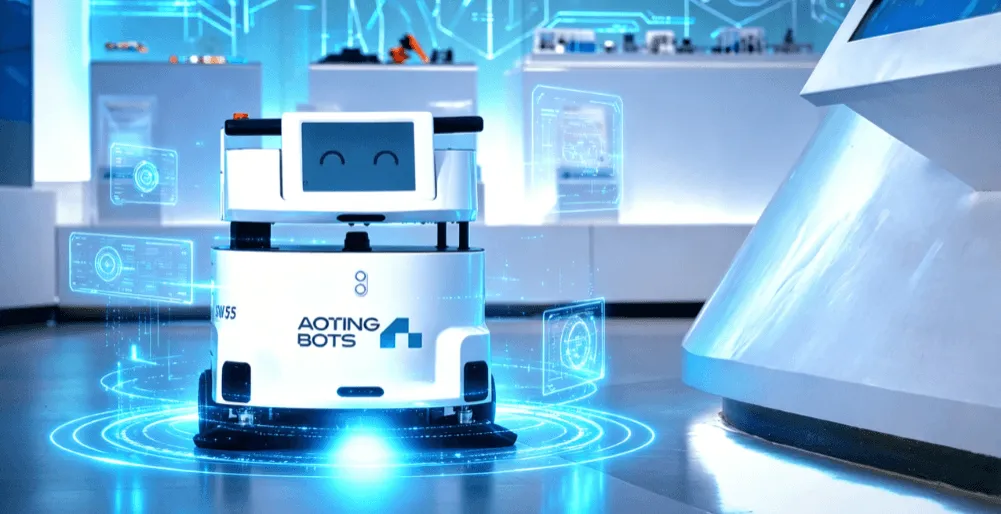
Manual sweeping often kicks up large amounts of airborne dust. This dust can cause respiratory issues for employees over time. Advanced dry cleaning robots utilize HEPA filters to trap 99.9% of particles. This keeps the air clean and safe for everyone in the building. A healthier workforce leads to fewer sick days and higher morale.
Furthermore, these robots follow consistent paths every single day. They never miss a spot or leave behind dangerous puddles. Consistency is vital for maintaining high safety standards across large areas. Automated systems ensure that the entire floor remains free of debris. This level of reliability is a core part of waterless cleaning benefits.
When implementing dry cleaning, focus on high-traffic transit zones first. These areas accumulate the most debris and present the highest slip risks. Starting here provides the fastest return on investment and safety improvement.
Selecting the correct equipment depends on your specific floor type. Hard concrete floors benefit most from heavy-duty sweeping robots. These machines can handle metal shavings, wood chips, and fine dust. It is important to evaluate the battery life of the machine. Long-lasting batteries allow for multi-shift cleaning without frequent charging.
Navigation technology is another factor to consider carefully. Modern advanced robotic cleaning systems use SLAM (Simultaneous Localization and Mapping). This allows them to navigate complex layouts without external markers. You should look for systems that offer real-time monitoring through mobile apps. This level of control ensures you can track cleaning progress remotely.
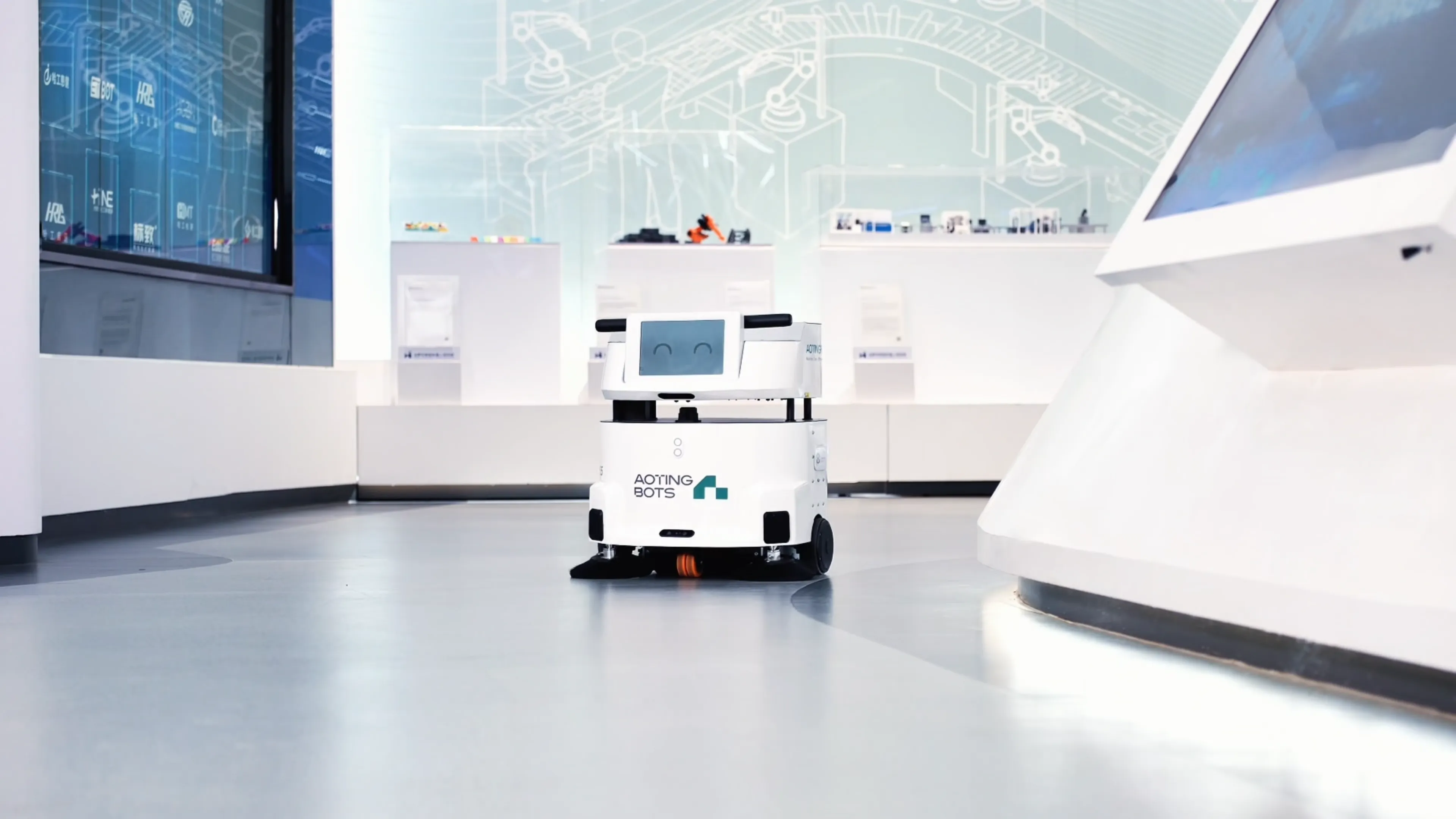
Finally, consider the versatility of the cleaning robot. Some models can switch between different modes for various debris types. A machine that handles both fine dust and large trash is ideal. Understanding these technical requirements helps you maximize the waterless cleaning benefits. Choosing the right partner ensures your facility stays clean and productive.
Adopting dry cleaning technology significantly boosts industrial safety and efficiency. The primary waterless cleaning benefits include reduced slip risks and lower operational costs. By integrating autonomous robots, facilities can maintain a pristine environment with minimal human intervention. This strategic move protects equipment, saves resources, and ensures a safer workplace for all employees in 2026.
What are the main waterless cleaning benefits?
The main benefits include improved workplace safety by eliminating slip hazards and significant cost savings. It also protects sensitive industrial equipment from moisture damage and reduces water consumption.
Can dry cleaning robots handle heavy industrial debris?
Yes, modern industrial sweeping robots are designed to collect metal scraps, wood chips, and fine dust. They use high-powered suction and durable brushes to maintain heavy-duty flooring.
Is waterless cleaning better for the environment?
Waterless cleaning is much more sustainable because it eliminates the need for gallons of water. It also reduces the use of harsh chemical detergents that can harm local ecosystems.
How does dry cleaning improve air quality in factories?
Dry cleaning robots use HEPA filtration systems to capture microscopic dust particles. This prevents dust from becoming airborne, which protects the respiratory health of industrial workers.
Occupational Safety and Health Administration (OSHA)
https://www.osha.gov
International Sanitary Supply Association (ISSA)
https://www.issa.com
Environmental Protection Agency (EPA)
https://www.epa.gov
International Energy Agency (IEA)
https://www.iea.org
Statista Industrial Robotics Reports
https://www.statista.com
Industrial environments are undergoing a massive transformation in 2026. Maintaining a clean workspace is no longer just about aesthetics. It is now a critical factor for operational efficiency. Traditional cleaning methods often rely heavily on water and chemical detergents. However, many modern facilities are shifting toward dry solutions. This change is driven by the significant waterless cleaning benefits available today.
Managers are looking for ways to reduce downtime and improve safety. Water-based cleaning often leaves floors damp and dangerous. It can also damage sensitive electronic equipment found in high-tech factories. Dry cleaning technologies offer a powerful alternative for these challenging spaces. By removing the need for moisture, facilities can maintain continuous operations.
The rise of autonomous robotics has accelerated this trend. Smart machines can now sweep and vacuum large areas with precision. These systems provide a level of consistency that manual labor cannot match. Understanding these advantages helps businesses make better infrastructure decisions.
Traditional wet mopping creates several risks in a fast-paced warehouse. Damp floors are a leading cause of workplace accidents. Slip and fall incidents account for nearly 15% of all accidental deaths. By eliminating water, companies can significantly reduce these safety hazards. Waterless cleaning benefits include the immediate use of floor space after cleaning.
Furthermore, many industrial materials react poorly to moisture. Facilities handling paper, wood, or electronics must keep humidity levels low. Water-based cleaning can introduce unwanted moisture into the air. This often leads to mold growth or equipment corrosion over time. Dry cleaning solutions protect these valuable assets from environmental damage.
Sustainability is another major driver for this technological shift. Water scarcity is a growing concern for global industries in 2026. Reducing water consumption helps companies meet strict environmental regulations. It also lowers the cost of water procurement and wastewater treatment. Dry systems offer a greener path for industrial maintenance.
The move toward dry cleaning provides measurable financial gains. One of the primary waterless cleaning benefits is the reduction in labor costs. Robotic systems can operate autonomously during off-hours or peak shifts. This allows human workers to focus on more complex tasks.
Energy efficiency is another area where dry systems excel. Modern sweeping robots use advanced filtration to capture fine dust. This prevents particles from circulating back into the facility air. Improved air quality reduces the load on HVAC systems. Consequently, facilities often see a drop in monthly energy bills.
Data shows that dry robotic systems can improve productivity by 30%. They eliminate the time spent filling and emptying water tanks. This means the machines spend more time cleaning and less time in maintenance. Waterless cleaning benefits translate directly into a stronger bottom line for manufacturers.
Safety is the cornerstone of any successful industrial operation. Industrial robots designed for dry cleaning use high-precision sensors. These sensors detect obstacles and personnel in real-time. This prevents collisions in busy corridors or production lines. Waterless cleaning benefits extend to the physical health of the workforce.
Manual sweeping often kicks up large amounts of airborne dust. This dust can cause respiratory issues for employees over time. Advanced dry cleaning robots utilize HEPA filters to trap 99.9% of particles. This keeps the air clean and safe for everyone in the building. A healthier workforce leads to fewer sick days and higher morale.
Furthermore, these robots follow consistent paths every single day. They never miss a spot or leave behind dangerous puddles. Consistency is vital for maintaining high safety standards across large areas. Automated systems ensure that the entire floor remains free of debris. This level of reliability is a core part of waterless cleaning benefits.
When implementing dry cleaning, focus on high-traffic transit zones first. These areas accumulate the most debris and present the highest slip risks. Starting here provides the fastest return on investment and safety improvement.
Selecting the correct equipment depends on your specific floor type. Hard concrete floors benefit most from heavy-duty sweeping robots. These machines can handle metal shavings, wood chips, and fine dust. It is important to evaluate the battery life of the machine. Long-lasting batteries allow for multi-shift cleaning without frequent charging.
Navigation technology is another factor to consider carefully. Modern advanced robotic cleaning systems use SLAM (Simultaneous Localization and Mapping). This allows them to navigate complex layouts without external markers. You should look for systems that offer real-time monitoring through mobile apps. This level of control ensures you can track cleaning progress remotely.
Finally, consider the versatility of the cleaning robot. Some models can switch between different modes for various debris types. A machine that handles both fine dust and large trash is ideal. Understanding these technical requirements helps you maximize the waterless cleaning benefits. Choosing the right partner ensures your facility stays clean and productive.
Adopting dry cleaning technology significantly boosts industrial safety and efficiency. The primary waterless cleaning benefits include reduced slip risks and lower operational costs. By integrating autonomous robots, facilities can maintain a pristine environment with minimal human intervention. This strategic move protects equipment, saves resources, and ensures a safer workplace for all employees in 2026.
What are the main waterless cleaning benefits?
The main benefits include improved workplace safety by eliminating slip hazards and significant cost savings. It also protects sensitive industrial equipment from moisture damage and reduces water consumption.
Can dry cleaning robots handle heavy industrial debris?
Yes, modern industrial sweeping robots are designed to collect metal scraps, wood chips, and fine dust. They use high-powered suction and durable brushes to maintain heavy-duty flooring.
Is waterless cleaning better for the environment?
Waterless cleaning is much more sustainable because it eliminates the need for gallons of water. It also reduces the use of harsh chemical detergents that can harm local ecosystems.
How does dry cleaning improve air quality in factories?
Dry cleaning robots use HEPA filtration systems to capture microscopic dust particles. This prevents dust from becoming airborne, which protects the respiratory health of industrial workers.
Occupational Safety and Health Administration (OSHA)
https://www.osha.gov
International Sanitary Supply Association (ISSA)
https://www.issa.com
Environmental Protection Agency (EPA)
https://www.epa.gov
International Energy Agency (IEA)
https://www.iea.org
Statista Industrial Robotics Reports
https://www.statista.com
CONTACT US
we aim to become a global leader in manufacturer space service robotics and artificial intelligence.


