
CONTACT US
SEARCH WHAT YOU WANT
The modern manufacturing landscape is currently undergoing a rapid digital transformation. Efficiency and safety remain the top priorities for factory managers globally. Implementing cleaning robots in manufacturing has become a vital strategy to maintain high production standards. These autonomous systems handle repetitive floor maintenance tasks with extreme precision. They allow human workers to focus on more complex technical operations.
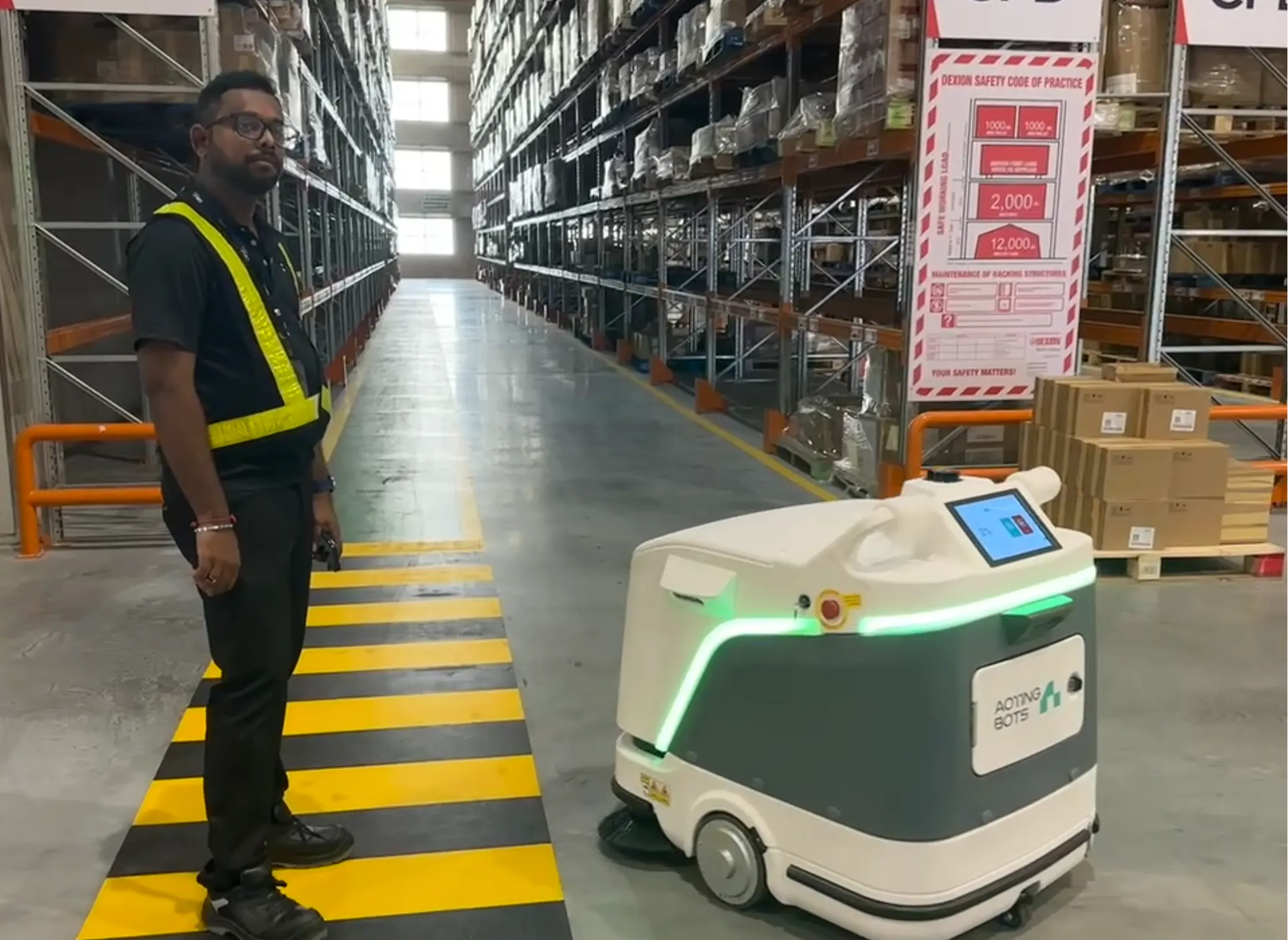
Modern facilities often face challenges with dust, debris, and chemical spills. Traditional cleaning methods are often slow and inconsistent. Cleaning robots in manufacturing offer a consistent solution that operates 24/7 without fatigue. These machines use advanced sensors to navigate complex industrial environments safely. By 2026, the adoption of these robots is expected to grow by over 30% in heavy industries.
A clean workspace directly impacts the lifespan of sensitive machinery. Fine dust particles can cause mechanical failures and electronic short circuits. Autonomous scrubbers ensure that these contaminants are removed before they cause damage. This proactive approach significantly reduces unexpected downtime in high-output production lines. Furthermore, automated cleaning helps facilities meet strict international safety and hygiene regulations.
Labor shortages have significantly impacted the maintenance sector of the manufacturing industry. Finding reliable staff for heavy-duty floor scrubbing is increasingly difficult. Cleaning robots in manufacturing fill this gap by providing reliable, scheduled performance. They ensure that every square inch of the facility is addressed consistently. This reliability is essential for large-scale factories operating across multiple shifts.
Safety is another driving force behind the rise of autonomous cleaning technology. Industrial floors are often prone to oil leaks and moisture. These conditions create high risks for slip-and-fall accidents among employees. Cleaning robots in manufacturing can detect spills and clean them immediately. This reduces the frequency of workplace injuries and associated insurance costs.

The cost-effectiveness of automation has improved drastically by 2026. While the initial investment is higher than a mop, the long-term ROI is undeniable. Autonomous robots consume less water and fewer chemicals than manual cleaning teams. They also require minimal supervision, which lowers overall operational expenses. Most facilities see a full return on investment within 14 to 18 months of deployment.
The most common application involves maintaining large-scale warehouse and logistics floors. These areas experience heavy forklift traffic that leaves tire marks and debris. Cleaning robots in manufacturing are designed to navigate these high-traffic zones without interrupting operations. They utilize LiDAR and 3D cameras to avoid collisions with moving vehicles. This ensures a seamless flow of goods while maintaining a spotless floor.
Production lines for electronics and pharmaceuticals require ultra-clean environments. Even minor contaminants can ruin an entire batch of sensitive products. Specialized cleaning robots in manufacturing help maintain these controlled environments by providing constant filtration. They effectively remove microscopic particles that human cleaners might miss. This level of precision is critical for maintaining quality control in high-tech sectors.
Heavy manufacturing plants dealing with metalwork or chemicals also benefit greatly. These sites often have rough floors covered in metal shavings or industrial sludge. Heavy-duty robotic sweepers are built to handle these abrasive materials safely. They use reinforced brushes and powerful vacuums to clear hazardous waste. By automating this task, facilities keep workers away from potentially toxic or sharp materials.
The efficiency of cleaning robots in manufacturing is measured through data analytics. Modern robots provide real-time reports on the area covered and the time taken. Managers can track cleaning progress through mobile applications or desktop dashboards. This transparency allows for better resource planning and accountability within the facility. If a zone is missed, the system alerts the operator immediately.
Productivity gains are often linked to the speed of autonomous systems. An industrial-grade robot can typically clean up to 4,000 square meters per hour. Manual cleaning of the same area would require multiple staff members and significantly more time. Cleaning robots in manufacturing optimize their paths using AI algorithms. They find the most efficient route to save energy and time.
Energy efficiency has become a standard feature in 2026 robotic models. These machines often feature fast-charging batteries and "auto-docking" capabilities. When the battery is low, the robot returns to its station independently. It resumes cleaning exactly where it left off once the power is restored. This ensures that the facility remains clean without any human intervention required.
Choosing the right equipment depends on the specific needs of your manufacturing environment. A critical factor is the type of floor surface found in your facility. Some robots excel at scrubbing smooth concrete, while others are better for sweeping. For multi-purpose environments, a hybrid machine like the SW80-A is highly effective. It combines sweeping and scrubbing functions into a single autonomous unit.
The sensor suite is perhaps the most important technical specification to verify. High-performance cleaning robots in manufacturing must have 360-degree obstacle detection. This is vital for avoiding accidents in environments where personnel and robots coexist. Look for systems that integrate 3D LiDAR with ultrasonic sensors for maximum safety. Reliability in navigation prevents costly damage to both the robot and factory equipment.
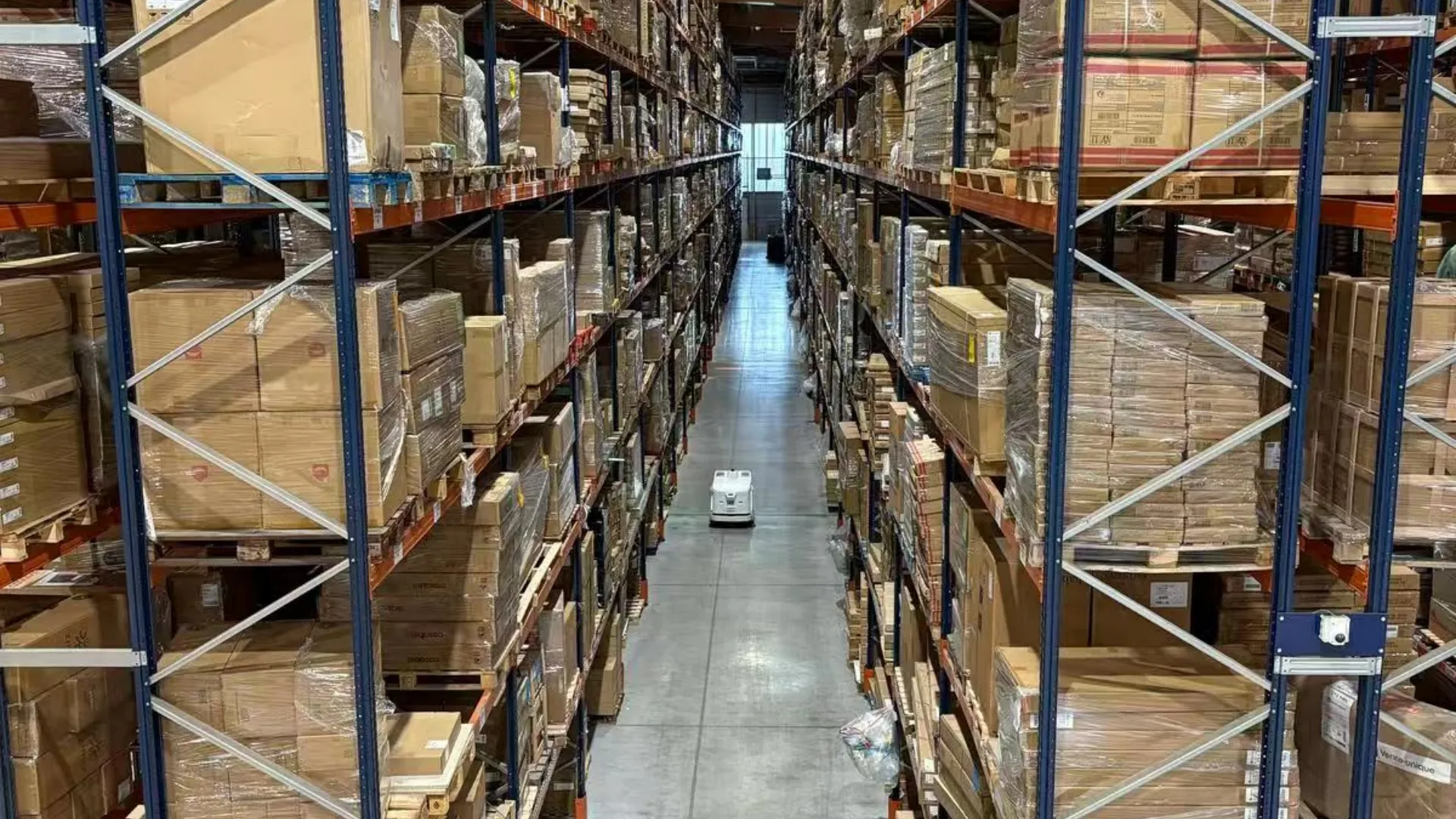
Tank capacity and battery life determine how long a robot can operate autonomously. Large facilities require machines with high-volume clean and recovery tanks. For example, a robot with a large cleaning path can cover vast aisles in a single pass. The SW80-A model is specifically designed for these heavy-duty industrial tasks. It offers the durability needed for 24/7 factory operations while maintaining high cleaning standards.
The use of cleaning robots in manufacturing is essential for modern operational excellence. These systems improve safety, reduce long-term costs, and ensure consistent facility hygiene. By choosing the right autonomous solution, manufacturers can protect their staff and equipment. This technology represents a critical investment for any facility aiming for peak efficiency in 2026.
When integrating cleaning robots in manufacturing, always conduct a site mapping during peak hours. This ensures the robot's AI learns to navigate the most complex traffic patterns efficiently. Regularly updating the software helps the machine adapt to new layout changes in the factory. Proper mapping reduces the risk of the robot getting stuck or causing traffic bottlenecks.
Do cleaning robots work on uneven factory floors?
Most industrial robots can handle minor slopes and slightly uneven surfaces easily. However, specialized models are required for facilities with significant ramps or large debris. Always check the maximum climbing angle in the robot's technical specifications.
How do cleaning robots avoid workers in a busy factory?
They use a combination of LiDAR, 3D cameras, and ultrasonic sensors. These sensors detect moving objects in real-time and allow the robot to stop or change direction. This multi-layered safety approach prevents collisions even in high-traffic manufacturing zones.
What is the typical lifespan of an industrial cleaning robot?
With proper maintenance, a high-quality industrial robot typically lasts five to seven years. Regular brush replacements and tank cleaning are necessary to maintain peak performance. Most manufacturers in 2026 offer modular parts for easy on-site repairs.
Can one robot clean an entire 100,000 square foot facility?
It depends on the robot's battery life and speed, but usually, multiple units are better. A fleet management system allows several robots to coordinate their paths without overlap. This ensures the entire facility is cleaned within a single shift.
International Federation of Robotics
https://ifr.org
Occupational Safety and Health Administration
https://www.osha.gov
International Organization for Standardization
https://www.iso.org
The modern manufacturing landscape is currently undergoing a rapid digital transformation. Efficiency and safety remain the top priorities for factory managers globally. Implementing cleaning robots in manufacturing has become a vital strategy to maintain high production standards. These autonomous systems handle repetitive floor maintenance tasks with extreme precision. They allow human workers to focus on more complex technical operations.
Modern facilities often face challenges with dust, debris, and chemical spills. Traditional cleaning methods are often slow and inconsistent. Cleaning robots in manufacturing offer a consistent solution that operates 24/7 without fatigue. These machines use advanced sensors to navigate complex industrial environments safely. By 2026, the adoption of these robots is expected to grow by over 30% in heavy industries.
A clean workspace directly impacts the lifespan of sensitive machinery. Fine dust particles can cause mechanical failures and electronic short circuits. Autonomous scrubbers ensure that these contaminants are removed before they cause damage. This proactive approach significantly reduces unexpected downtime in high-output production lines. Furthermore, automated cleaning helps facilities meet strict international safety and hygiene regulations.
Labor shortages have significantly impacted the maintenance sector of the manufacturing industry. Finding reliable staff for heavy-duty floor scrubbing is increasingly difficult. Cleaning robots in manufacturing fill this gap by providing reliable, scheduled performance. They ensure that every square inch of the facility is addressed consistently. This reliability is essential for large-scale factories operating across multiple shifts.
Safety is another driving force behind the rise of autonomous cleaning technology. Industrial floors are often prone to oil leaks and moisture. These conditions create high risks for slip-and-fall accidents among employees. Cleaning robots in manufacturing can detect spills and clean them immediately. This reduces the frequency of workplace injuries and associated insurance costs.
The cost-effectiveness of automation has improved drastically by 2026. While the initial investment is higher than a mop, the long-term ROI is undeniable. Autonomous robots consume less water and fewer chemicals than manual cleaning teams. They also require minimal supervision, which lowers overall operational expenses. Most facilities see a full return on investment within 14 to 18 months of deployment.
The most common application involves maintaining large-scale warehouse and logistics floors. These areas experience heavy forklift traffic that leaves tire marks and debris. Cleaning robots in manufacturing are designed to navigate these high-traffic zones without interrupting operations. They utilize LiDAR and 3D cameras to avoid collisions with moving vehicles. This ensures a seamless flow of goods while maintaining a spotless floor.
Production lines for electronics and pharmaceuticals require ultra-clean environments. Even minor contaminants can ruin an entire batch of sensitive products. Specialized cleaning robots in manufacturing help maintain these controlled environments by providing constant filtration. They effectively remove microscopic particles that human cleaners might miss. This level of precision is critical for maintaining quality control in high-tech sectors.
Heavy manufacturing plants dealing with metalwork or chemicals also benefit greatly. These sites often have rough floors covered in metal shavings or industrial sludge. Heavy-duty robotic sweepers are built to handle these abrasive materials safely. They use reinforced brushes and powerful vacuums to clear hazardous waste. By automating this task, facilities keep workers away from potentially toxic or sharp materials.
The efficiency of cleaning robots in manufacturing is measured through data analytics. Modern robots provide real-time reports on the area covered and the time taken. Managers can track cleaning progress through mobile applications or desktop dashboards. This transparency allows for better resource planning and accountability within the facility. If a zone is missed, the system alerts the operator immediately.
Productivity gains are often linked to the speed of autonomous systems. An industrial-grade robot can typically clean up to 4,000 square meters per hour. Manual cleaning of the same area would require multiple staff members and significantly more time. Cleaning robots in manufacturing optimize their paths using AI algorithms. They find the most efficient route to save energy and time.
Energy efficiency has become a standard feature in 2026 robotic models. These machines often feature fast-charging batteries and "auto-docking" capabilities. When the battery is low, the robot returns to its station independently. It resumes cleaning exactly where it left off once the power is restored. This ensures that the facility remains clean without any human intervention required.
Choosing the right equipment depends on the specific needs of your manufacturing environment. A critical factor is the type of floor surface found in your facility. Some robots excel at scrubbing smooth concrete, while others are better for sweeping. For multi-purpose environments, a hybrid machine like the SW80-A is highly effective. It combines sweeping and scrubbing functions into a single autonomous unit.
The sensor suite is perhaps the most important technical specification to verify. High-performance cleaning robots in manufacturing must have 360-degree obstacle detection. This is vital for avoiding accidents in environments where personnel and robots coexist. Look for systems that integrate 3D LiDAR with ultrasonic sensors for maximum safety. Reliability in navigation prevents costly damage to both the robot and factory equipment.
Tank capacity and battery life determine how long a robot can operate autonomously. Large facilities require machines with high-volume clean and recovery tanks. For example, a robot with a large cleaning path can cover vast aisles in a single pass. The SW80-A model is specifically designed for these heavy-duty industrial tasks. It offers the durability needed for 24/7 factory operations while maintaining high cleaning standards.
The use of cleaning robots in manufacturing is essential for modern operational excellence. These systems improve safety, reduce long-term costs, and ensure consistent facility hygiene. By choosing the right autonomous solution, manufacturers can protect their staff and equipment. This technology represents a critical investment for any facility aiming for peak efficiency in 2026.
When integrating cleaning robots in manufacturing, always conduct a site mapping during peak hours. This ensures the robot's AI learns to navigate the most complex traffic patterns efficiently. Regularly updating the software helps the machine adapt to new layout changes in the factory. Proper mapping reduces the risk of the robot getting stuck or causing traffic bottlenecks.
Do cleaning robots work on uneven factory floors?
Most industrial robots can handle minor slopes and slightly uneven surfaces easily. However, specialized models are required for facilities with significant ramps or large debris. Always check the maximum climbing angle in the robot's technical specifications.
How do cleaning robots avoid workers in a busy factory?
They use a combination of LiDAR, 3D cameras, and ultrasonic sensors. These sensors detect moving objects in real-time and allow the robot to stop or change direction. This multi-layered safety approach prevents collisions even in high-traffic manufacturing zones.
What is the typical lifespan of an industrial cleaning robot?
With proper maintenance, a high-quality industrial robot typically lasts five to seven years. Regular brush replacements and tank cleaning are necessary to maintain peak performance. Most manufacturers in 2026 offer modular parts for easy on-site repairs.
Can one robot clean an entire 100,000 square foot facility?
It depends on the robot's battery life and speed, but usually, multiple units are better. A fleet management system allows several robots to coordinate their paths without overlap. This ensures the entire facility is cleaned within a single shift.
International Federation of Robotics
https://ifr.org
Occupational Safety and Health Administration
https://www.osha.gov
International Organization for Standardization
https://www.iso.org
CONTACT US
we aim to become a global leader in manufacturer space service robotics and artificial intelligence.

