
CONTACT US
SEARCH WHAT YOU WANT
Maintaining a clean industrial facility is no longer just about aesthetics; it is a critical component of operational safety, OSHA compliance, and equipment longevity. In high-traffic environments like distribution centers or manufacturing plants, manual cleaning methods fail to keep pace with the accumulation of dust, debris, and chemical residues. Choosing the right industrial floor cleaning machines requires an understanding of mechanical specifications and the specific needs of your facility's substrate.
Industrial cleaning equipment generally falls into three technical categories: sweepers, scrubbers, and combined units. Sweepers are designed to remove dry debris like wood chips, dust, and metal shavings using high-speed rotating brushes. These are essential for preventing debris from entering sensitive machinery or causing slip hazards on dry concrete.
Floor scrubbers, on the other hand, utilize a combination of water, specialized detergents, and mechanical agitation to lift grease, oil, and deep-seated grime. These machines are the standard for food processing plants and automotive workshops where liquid spills are frequent. The scrubbing process involves a solution delivery system, a scrub head (disk or cylindrical), and a vacuum-assisted squeegee to leave floors dry and safe for immediate foot traffic.
Walk-behind models provide superior maneuverability in tight aisles, while ride-on machines are the preferred choice for areas exceeding 5,000 square meters. The choice between these configurations impacts your labor overhead and the "time-to-clean" metrics within your facility.
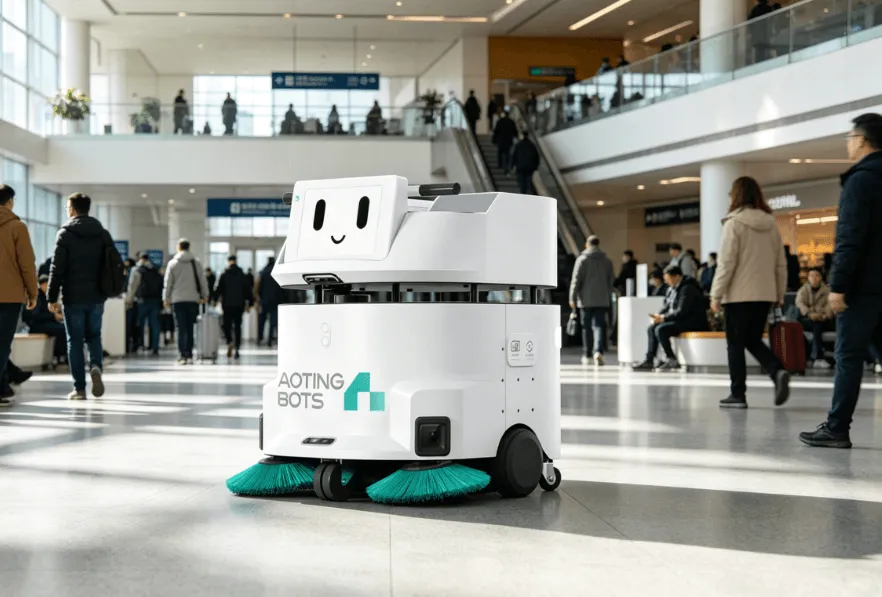
Evaluating the transition from manual mopping to automated industrial floor cleaning machines involves analyzing coverage rates and cleaning efficiency. Automated systems offer a level of consistency that human labor cannot replicate, particularly in large-scale environments.
Selecting the right machine depends on your facility's layout. For instance, if your warehouse features narrow racking systems, a high-capacity ride-on might be too bulky. In these scenarios, compact but powerful walk-behind units offer the best ROI by reaching corners that larger machines miss.
Material suitability is the first technical hurdle in B2B procurement. Polished concrete, epoxy coatings, and industrial tiles each react differently to brush pressure and chemical pH levels. Using a stiff abrasive brush on an epoxy-coated floor can strip the protective layer, leading to costly resurfacing projects.
You must also consider the nature of the soilage. For environments with fine particulate matter, such as cement plants, a vacuum-integrated sweeper is mandatory to prevent dust from becoming airborne. For "wet" industries like beverage bottling, a scrubber with high-performance suction is necessary to prevent microbial growth in standing water.
Energy sources also play a vital role in selection. While LPG-powered machines offer unlimited runtime, they are often restricted to outdoor or well-ventilated areas due to emission concerns. Battery-powered electric machines have become the industry standard for indoor use, offering silent operation and zero emissions.
At Aoting, we recognize that facility managers need a balance between compact design and heavy-duty performance. We developed the SW55-A Walk-Behind Scrubber to address the specific pain points of medium-to-large industrial spaces where agility is as important as power.
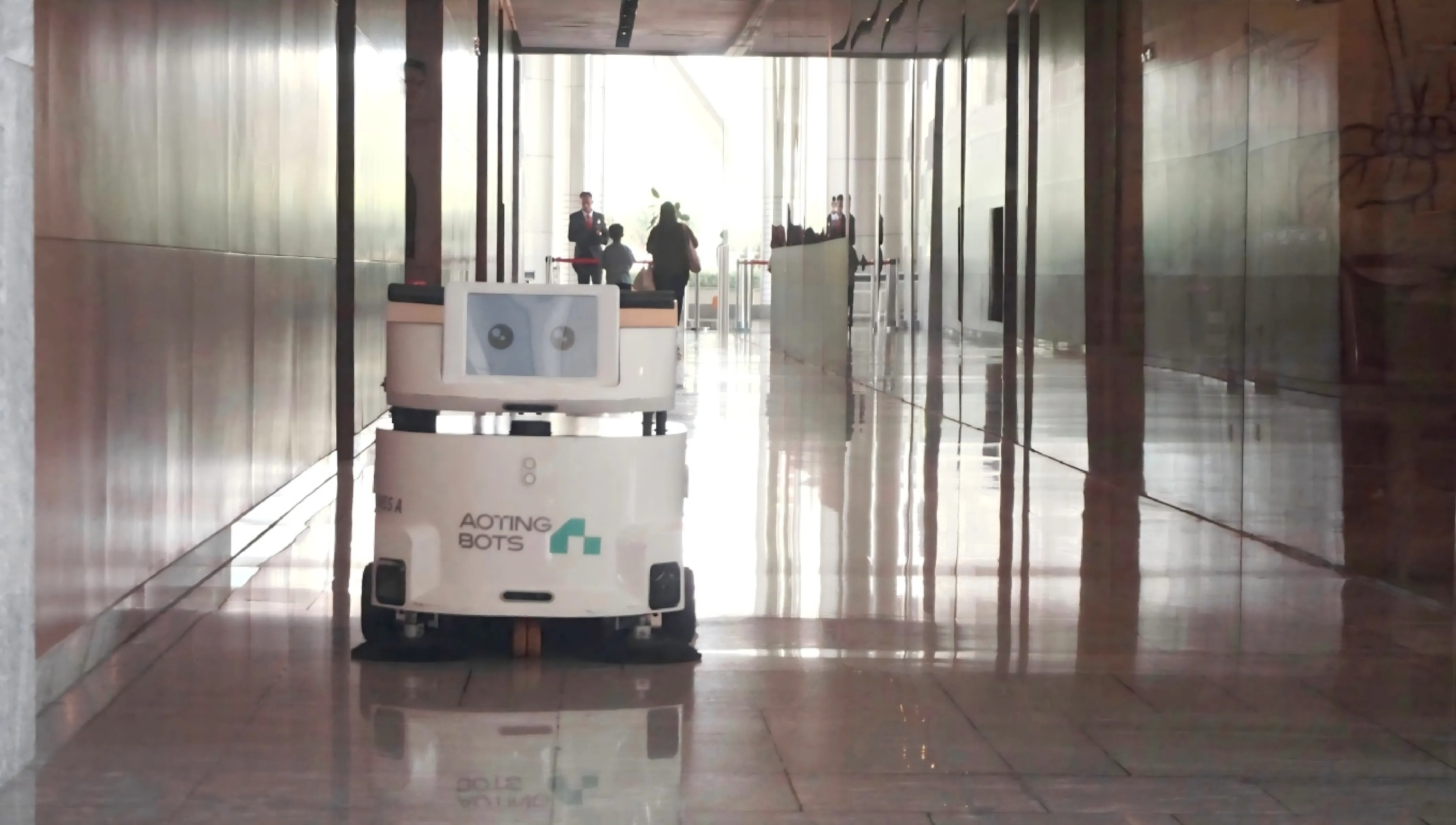
Our engineering team focused on maximizing the recovery tank capacity while maintaining a narrow footprint. In our field tests, the SW55-A demonstrated significant reductions in water consumption compared to traditional floor scrubbers, thanks to our precision flow control system. We integrated a high-torque motor that allows the machine to maintain consistent brush pressure even on uneven industrial surfaces, ensuring a uniform clean across the entire floor.
If you are managing a facility where downtime is not an option, we recommend the SW55-A for its simplified maintenance protocol. We designed the squeegee and brush assemblies for tool-free replacement, allowing your operators to perform routine checks in minutes rather than hours. This focus on "serviceability at the point of use" is what differentiates our equipment in high-demand environments.
When sourcing industrial floor cleaning machines, the initial purchase price is only one component of the financial equation. Smart B2B buyers focus on the Total Cost of Ownership (TCO), which includes consumables like brushes and squeegees, battery replacement cycles, and labor costs.
A machine with a higher upfront cost but better battery management can save thousands of dollars over a five-year lifecycle. Lead-acid batteries require regular distilled water maintenance, whereas Lithium-ion options—though more expensive—offer opportunity charging and zero maintenance. This choice directly impacts your operational uptime.
Furthermore, consider the availability of OEM parts. Choosing a manufacturer with a robust supply chain ensures that a $50 wear part doesn't sideline a $5,000 machine for weeks. At Aoting, we prioritize component standardization to ensure our clients have ready access to the parts they need to keep their facilities compliant and clean.

How often should industrial floor cleaning machines be serviced?
Daily maintenance should include rinsing the recovery tank and cleaning the squeegee. Deep technical service by a qualified technician is typically recommended every 250 to 500 operating hours to check motor brushes and hydraulic seals.
What is the difference between a disc and a cylindrical scrub head?
Disc heads are ideal for flat floors and provide high downward pressure for stubborn stains. Cylindrical heads are better for textured floors or areas with light debris, as they can sweep and scrub simultaneously, eliminating the need for pre-sweeping.
Can these machines be used on inclined surfaces like ramps?
Most industrial scrubbers are rated for a specific grade, usually between 2% and 8%. It is crucial to check the manufacturer's climbing capacity specifications to prevent motor burnout or safety risks when cleaning ramps.
How do I choose the correct cleaning chemical for my machine?
Always use low-foaming detergents specifically formulated for automatic scrubbers. High-foaming soaps can damage the vacuum motor and reduce suction efficiency. We recommend testing chemical compatibility with your floor type before full-scale application.
What is the average lifespan of an industrial floor scrubber?
With proper maintenance, a high-quality industrial machine should last between 7 and 10 years. The primary variables affecting longevity are the frequency of battery maintenance and the corrosiveness of the environment in which it operates.
ISSA - The Worldwide Cleaning Industry Association
https://www.issa.com
Occupational Safety and Health Administration (OSHA) Floor Safety Standards
https://www.osha.gov
ISO 45001 - Occupational Health and Safety Management Systems
https://www.iso.org/standard/63787.html
ASTM F2913-19 Standard Test Method for Measuring the Coefficient of Friction for Footwear and Flooring
https://www.astm.org/f2913-19.html
Maintaining a clean industrial facility is no longer just about aesthetics; it is a critical component of operational safety, OSHA compliance, and equipment longevity. In high-traffic environments like distribution centers or manufacturing plants, manual cleaning methods fail to keep pace with the accumulation of dust, debris, and chemical residues. Choosing the right industrial floor cleaning machines requires an understanding of mechanical specifications and the specific needs of your facility's substrate.
Industrial cleaning equipment generally falls into three technical categories: sweepers, scrubbers, and combined units. Sweepers are designed to remove dry debris like wood chips, dust, and metal shavings using high-speed rotating brushes. These are essential for preventing debris from entering sensitive machinery or causing slip hazards on dry concrete.
Floor scrubbers, on the other hand, utilize a combination of water, specialized detergents, and mechanical agitation to lift grease, oil, and deep-seated grime. These machines are the standard for food processing plants and automotive workshops where liquid spills are frequent. The scrubbing process involves a solution delivery system, a scrub head (disk or cylindrical), and a vacuum-assisted squeegee to leave floors dry and safe for immediate foot traffic.
Walk-behind models provide superior maneuverability in tight aisles, while ride-on machines are the preferred choice for areas exceeding 5,000 square meters. The choice between these configurations impacts your labor overhead and the "time-to-clean" metrics within your facility.
Evaluating the transition from manual mopping to automated industrial floor cleaning machines involves analyzing coverage rates and cleaning efficiency. Automated systems offer a level of consistency that human labor cannot replicate, particularly in large-scale environments.
Selecting the right machine depends on your facility's layout. For instance, if your warehouse features narrow racking systems, a high-capacity ride-on might be too bulky. In these scenarios, compact but powerful walk-behind units offer the best ROI by reaching corners that larger machines miss.
Material suitability is the first technical hurdle in B2B procurement. Polished concrete, epoxy coatings, and industrial tiles each react differently to brush pressure and chemical pH levels. Using a stiff abrasive brush on an epoxy-coated floor can strip the protective layer, leading to costly resurfacing projects.
You must also consider the nature of the soilage. For environments with fine particulate matter, such as cement plants, a vacuum-integrated sweeper is mandatory to prevent dust from becoming airborne. For "wet" industries like beverage bottling, a scrubber with high-performance suction is necessary to prevent microbial growth in standing water.
Energy sources also play a vital role in selection. While LPG-powered machines offer unlimited runtime, they are often restricted to outdoor or well-ventilated areas due to emission concerns. Battery-powered electric machines have become the industry standard for indoor use, offering silent operation and zero emissions.
At Aoting, we recognize that facility managers need a balance between compact design and heavy-duty performance. We developed the SW55-A Walk-Behind Scrubber to address the specific pain points of medium-to-large industrial spaces where agility is as important as power.
Our engineering team focused on maximizing the recovery tank capacity while maintaining a narrow footprint. In our field tests, the SW55-A demonstrated significant reductions in water consumption compared to traditional floor scrubbers, thanks to our precision flow control system. We integrated a high-torque motor that allows the machine to maintain consistent brush pressure even on uneven industrial surfaces, ensuring a uniform clean across the entire floor.
If you are managing a facility where downtime is not an option, we recommend the SW55-A for its simplified maintenance protocol. We designed the squeegee and brush assemblies for tool-free replacement, allowing your operators to perform routine checks in minutes rather than hours. This focus on "serviceability at the point of use" is what differentiates our equipment in high-demand environments.
When sourcing industrial floor cleaning machines, the initial purchase price is only one component of the financial equation. Smart B2B buyers focus on the Total Cost of Ownership (TCO), which includes consumables like brushes and squeegees, battery replacement cycles, and labor costs.
A machine with a higher upfront cost but better battery management can save thousands of dollars over a five-year lifecycle. Lead-acid batteries require regular distilled water maintenance, whereas Lithium-ion options—though more expensive—offer opportunity charging and zero maintenance. This choice directly impacts your operational uptime.
Furthermore, consider the availability of OEM parts. Choosing a manufacturer with a robust supply chain ensures that a $50 wear part doesn't sideline a $5,000 machine for weeks. At Aoting, we prioritize component standardization to ensure our clients have ready access to the parts they need to keep their facilities compliant and clean.
How often should industrial floor cleaning machines be serviced?
Daily maintenance should include rinsing the recovery tank and cleaning the squeegee. Deep technical service by a qualified technician is typically recommended every 250 to 500 operating hours to check motor brushes and hydraulic seals.
What is the difference between a disc and a cylindrical scrub head?
Disc heads are ideal for flat floors and provide high downward pressure for stubborn stains. Cylindrical heads are better for textured floors or areas with light debris, as they can sweep and scrub simultaneously, eliminating the need for pre-sweeping.
Can these machines be used on inclined surfaces like ramps?
Most industrial scrubbers are rated for a specific grade, usually between 2% and 8%. It is crucial to check the manufacturer's climbing capacity specifications to prevent motor burnout or safety risks when cleaning ramps.
How do I choose the correct cleaning chemical for my machine?
Always use low-foaming detergents specifically formulated for automatic scrubbers. High-foaming soaps can damage the vacuum motor and reduce suction efficiency. We recommend testing chemical compatibility with your floor type before full-scale application.
What is the average lifespan of an industrial floor scrubber?
With proper maintenance, a high-quality industrial machine should last between 7 and 10 years. The primary variables affecting longevity are the frequency of battery maintenance and the corrosiveness of the environment in which it operates.
ISSA - The Worldwide Cleaning Industry Association
https://www.issa.com
Occupational Safety and Health Administration (OSHA) Floor Safety Standards
https://www.osha.gov
ISO 45001 - Occupational Health and Safety Management Systems
https://www.iso.org/standard/63787.html
ASTM F2913-19 Standard Test Method for Measuring the Coefficient of Friction for Footwear and Flooring
https://www.astm.org/f2913-19.html
CONTACT US
we aim to become a global leader in manufacturer space service robotics and artificial intelligence.

