
CONTACT US
SEARCH WHAT YOU WANT
The shift toward facility automation is no longer a futuristic concept but a functional necessity for modern infrastructure. As labor costs rise and hygiene standards become more stringent, autonomous cleaning robots have emerged as vital assets across diverse sectors. These machines utilize advanced sensors and software to maintain large floor areas without human intervention.
Understanding which industries benefit most from this technology requires looking at specific operational pain points. From reducing cross-contamination in hospitals to managing dust in high-traffic warehouses, the applications are vast. This article examines the primary sectors currently integrating these robotic solutions into their daily maintenance protocols.
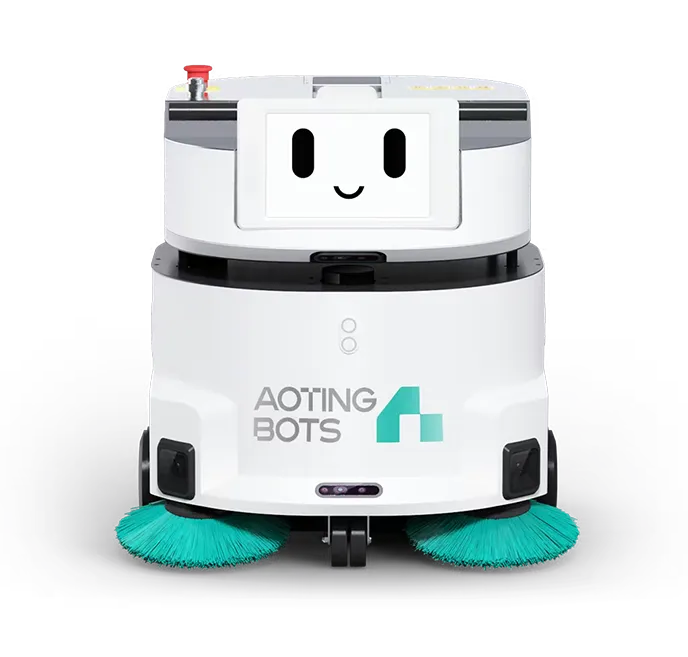
The primary driver for robotic adoption is the transition from reactive cleaning to standardized, data-driven maintenance. Manual floor cleaning often suffers from inconsistency, where different shifts might produce varying levels of hygiene. Autonomous systems eliminate this variability by following precise digital maps and pre-set schedules.
Labor shortages in the facility management sector have also accelerated the need for automation. Finding and retaining staff for repetitive, physically demanding cleaning tasks is increasingly difficult. By deploying robots, facilities can redeploy human workers to more complex maintenance duties that require manual dexterity.
Furthermore, the integration of Internet of Things (IoT) capabilities allows managers to track cleaning performance in real-time. Modern robots provide detailed reports on area coverage, water usage, and battery efficiency. This level of transparency is essential for industries that must prove compliance with health and safety regulations.
Logistics and warehousing represent one of the fastest-growing segments for cleaning automation. These environments are prone to high levels of dust and debris from cardboard packaging and heavy machinery. Keeping floors clean is not just about aesthetics; it is a critical safety measure to prevent forklift slips and sensor interference.
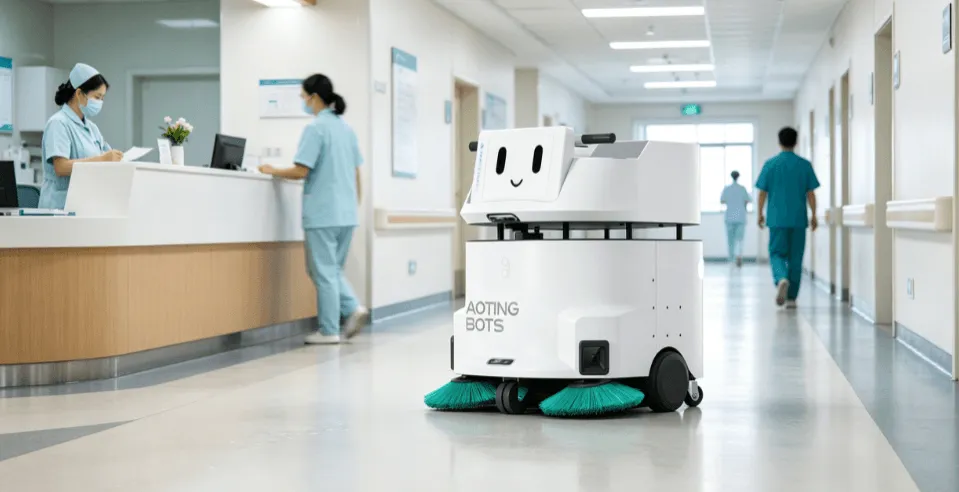
In the healthcare sector, the focus shifts toward infection control and environmental hygiene. Hospitals utilize autonomous scrubbers to ensure high-traffic corridors are cleaned with consistent chemical concentrations. These machines operate around the clock, ensuring that floor surfaces are sanitized without disrupting patient care or emergency workflows.
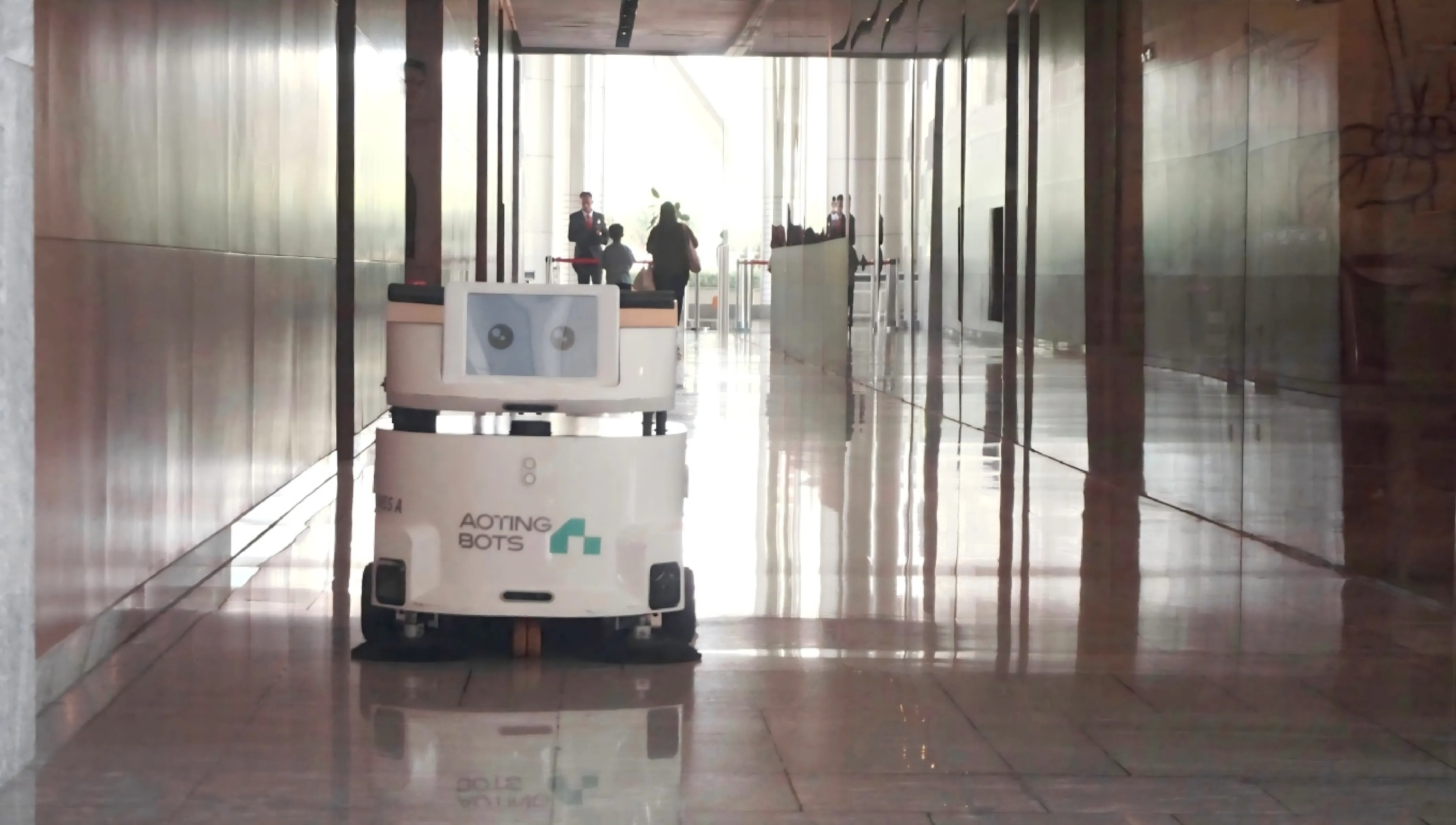
The retail and commercial mall industry utilizes robots to manage vast square footage during and after business hours. In these settings, aesthetic appeal is paramount for the customer experience. We designed the Aoting SW55-A specifically to handle these dynamic environments, where the robot must navigate around shoppers and temporary displays safely.
The efficacy of a cleaning robot depends heavily on its navigation stack, typically involving SLAM (Simultaneous Localization and Mapping). This technology allows the robot to build a map of its environment while simultaneously tracking its own location. It uses a combination of LiDAR, 3D cameras, and ultrasonic sensors to detect obstacles.
In manufacturing plants, the environment changes constantly with moving pallets and personnel. A robust robot must distinguish between a permanent wall and a temporary obstacle like a parked forklift. Our engineering team at Aoting integrates multi-sensor fusion to ensure that our robots can recalculate paths in milliseconds, preventing collisions.
Battery management and autonomous docking are also critical technical components. High-performance robots monitor their own power levels and return to a charging station when needed. Some advanced models also include automated water filling and drainage systems, which significantly reduces the need for human touchpoints during a shift.
Many facility managers are moving away from single-purpose machines in favor of multi-function platforms. A robot that can sweep, scrub, and dry in a single pass is far more efficient than multiple specialized units. This integration reduces the total footprint of the equipment and simplifies the maintenance schedule for the fleet.
For instance, in a large parking garage or an industrial workshop, a machine needs to handle both heavy debris and liquid spills. If a robot only scrubs, it might leave behind large particles that damage the vacuum motor. By integrating sweeping brushes before the scrubbing assembly, the machine protects its internal components and delivers a better finish.
The Aoting SW55-A serves as a prime example of this 4-in-1 capability. It handles sweeping, scrubbing, vacuuming, and even sanitizing in one operation. This versatility makes it suitable for diverse floor types, from polished concrete in warehouses to tiled floors in transport hubs.
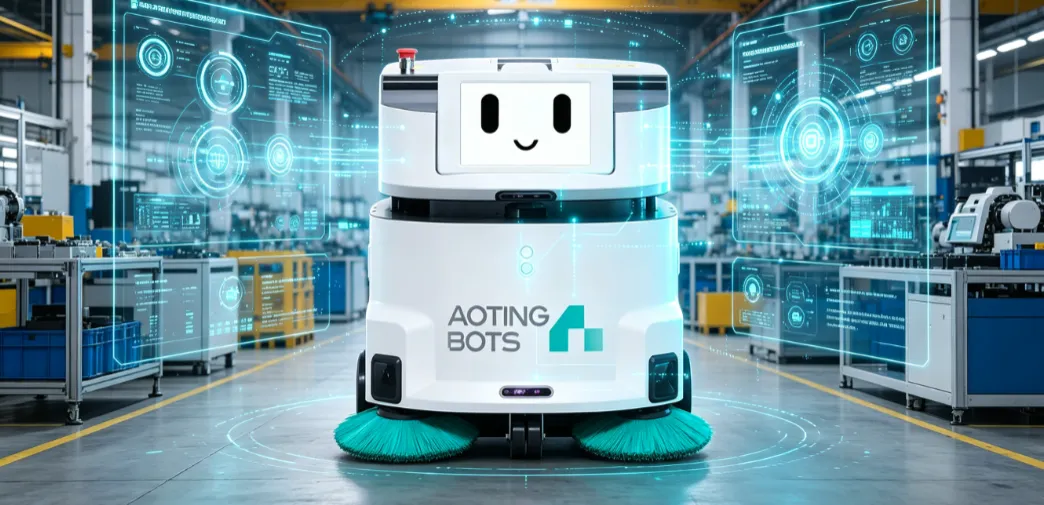
Implementing autonomous cleaning is not about replacing a cleaning crew, but rather augmenting it. The most successful deployments involve a "co-botting" strategy where robots handle the open, repetitive areas. This allows human staff to focus on "detail cleaning," such as corners, stairs, and high-touch surfaces like door handles.
Facility managers must first conduct a site audit to identify "no-go zones" and high-risk areas. The robots are then programmed with specific cleaning paths that optimize battery life and water usage. Most professional systems allow for "recorded runs" where the robot learns a path by following a human operator once.
Finally, the data collected by these robots is integrated into Facility Management Systems (FMS). This allows for predictive maintenance, where the system alerts managers if a brush needs replacing or if a sensor requires cleaning. This proactive approach prevents downtime and extends the life of the investment.
Consistency: Robots deliver the same cleaning quality regardless of the time of day.
Safety: Advanced obstacle avoidance reduces the risk of accidents in busy industrial settings.
Efficiency: Automated docking and refilling maximize the uptime of the cleaning fleet.
Data: Digital logs provide proof of cleaning for compliance and auditing purposes.
Cost-Control: Long-term operational costs are lowered through reduced labor dependency and optimized chemical use.
Can cleaning robots work in environments with heavy human traffic?
Yes, professional-grade cleaning robots are equipped with LiDAR and 3D vision systems that allow them to detect and navigate around moving people safely in real-time.
What happens if the robot encounters a spill it cannot handle?
Most autonomous systems are programmed to follow a specific path; however, if they encounter an obstacle they cannot bypass, they will stop and send an alert to the facility manager via a mobile app.
How often do autonomous cleaning robots require manual maintenance?
While the cleaning process is autonomous, humans still need to perform daily maintenance such as cleaning the brushes, emptying the debris tray, and wiping down sensors to ensure optimal performance.
Do these robots work on all types of industrial flooring?
Robots like the Aoting SW55-A are designed for hard surfaces including epoxy, concrete, tile, and marble, but they are not suitable for deep-pile carpets or extremely uneven outdoor terrain.
Is it difficult to map a large facility for a robot?
Modern SLAM technology allows for relatively quick mapping; an operator usually drives the robot through the facility once, and the software automatically generates a high-resolution digital map.
International Federation of Robotics Service Robot Statistics
https://ifr.org/service-robots
ISO 13482:2014 Safety Requirements for Service Robots
https://www.iso.org/standard/53820.html
Clean-room and Healthcare Hygiene Standards Overview
https://www.cdc.gov/hygiene/index.html
Advanced Navigation and SLAM Technical Documentation
https://www.ieee.org/
The shift toward facility automation is no longer a futuristic concept but a functional necessity for modern infrastructure. As labor costs rise and hygiene standards become more stringent, autonomous cleaning robots have emerged as vital assets across diverse sectors. These machines utilize advanced sensors and software to maintain large floor areas without human intervention.
Understanding which industries benefit most from this technology requires looking at specific operational pain points. From reducing cross-contamination in hospitals to managing dust in high-traffic warehouses, the applications are vast. This article examines the primary sectors currently integrating these robotic solutions into their daily maintenance protocols.
The primary driver for robotic adoption is the transition from reactive cleaning to standardized, data-driven maintenance. Manual floor cleaning often suffers from inconsistency, where different shifts might produce varying levels of hygiene. Autonomous systems eliminate this variability by following precise digital maps and pre-set schedules.
Labor shortages in the facility management sector have also accelerated the need for automation. Finding and retaining staff for repetitive, physically demanding cleaning tasks is increasingly difficult. By deploying robots, facilities can redeploy human workers to more complex maintenance duties that require manual dexterity.
Furthermore, the integration of Internet of Things (IoT) capabilities allows managers to track cleaning performance in real-time. Modern robots provide detailed reports on area coverage, water usage, and battery efficiency. This level of transparency is essential for industries that must prove compliance with health and safety regulations.
Logistics and warehousing represent one of the fastest-growing segments for cleaning automation. These environments are prone to high levels of dust and debris from cardboard packaging and heavy machinery. Keeping floors clean is not just about aesthetics; it is a critical safety measure to prevent forklift slips and sensor interference.
In the healthcare sector, the focus shifts toward infection control and environmental hygiene. Hospitals utilize autonomous scrubbers to ensure high-traffic corridors are cleaned with consistent chemical concentrations. These machines operate around the clock, ensuring that floor surfaces are sanitized without disrupting patient care or emergency workflows.
The retail and commercial mall industry utilizes robots to manage vast square footage during and after business hours. In these settings, aesthetic appeal is paramount for the customer experience. We designed the Aoting SW55-A specifically to handle these dynamic environments, where the robot must navigate around shoppers and temporary displays safely.
The efficacy of a cleaning robot depends heavily on its navigation stack, typically involving SLAM (Simultaneous Localization and Mapping). This technology allows the robot to build a map of its environment while simultaneously tracking its own location. It uses a combination of LiDAR, 3D cameras, and ultrasonic sensors to detect obstacles.
In manufacturing plants, the environment changes constantly with moving pallets and personnel. A robust robot must distinguish between a permanent wall and a temporary obstacle like a parked forklift. Our engineering team at Aoting integrates multi-sensor fusion to ensure that our robots can recalculate paths in milliseconds, preventing collisions.
Battery management and autonomous docking are also critical technical components. High-performance robots monitor their own power levels and return to a charging station when needed. Some advanced models also include automated water filling and drainage systems, which significantly reduces the need for human touchpoints during a shift.
Many facility managers are moving away from single-purpose machines in favor of multi-function platforms. A robot that can sweep, scrub, and dry in a single pass is far more efficient than multiple specialized units. This integration reduces the total footprint of the equipment and simplifies the maintenance schedule for the fleet.
For instance, in a large parking garage or an industrial workshop, a machine needs to handle both heavy debris and liquid spills. If a robot only scrubs, it might leave behind large particles that damage the vacuum motor. By integrating sweeping brushes before the scrubbing assembly, the machine protects its internal components and delivers a better finish.
The Aoting SW55-A serves as a prime example of this 4-in-1 capability. It handles sweeping, scrubbing, vacuuming, and even sanitizing in one operation. This versatility makes it suitable for diverse floor types, from polished concrete in warehouses to tiled floors in transport hubs.
Implementing autonomous cleaning is not about replacing a cleaning crew, but rather augmenting it. The most successful deployments involve a "co-botting" strategy where robots handle the open, repetitive areas. This allows human staff to focus on "detail cleaning," such as corners, stairs, and high-touch surfaces like door handles.
Facility managers must first conduct a site audit to identify "no-go zones" and high-risk areas. The robots are then programmed with specific cleaning paths that optimize battery life and water usage. Most professional systems allow for "recorded runs" where the robot learns a path by following a human operator once.
Finally, the data collected by these robots is integrated into Facility Management Systems (FMS). This allows for predictive maintenance, where the system alerts managers if a brush needs replacing or if a sensor requires cleaning. This proactive approach prevents downtime and extends the life of the investment.
Consistency: Robots deliver the same cleaning quality regardless of the time of day.
Safety: Advanced obstacle avoidance reduces the risk of accidents in busy industrial settings.
Efficiency: Automated docking and refilling maximize the uptime of the cleaning fleet.
Data: Digital logs provide proof of cleaning for compliance and auditing purposes.
Cost-Control: Long-term operational costs are lowered through reduced labor dependency and optimized chemical use.
Can cleaning robots work in environments with heavy human traffic?
Yes, professional-grade cleaning robots are equipped with LiDAR and 3D vision systems that allow them to detect and navigate around moving people safely in real-time.
What happens if the robot encounters a spill it cannot handle?
Most autonomous systems are programmed to follow a specific path; however, if they encounter an obstacle they cannot bypass, they will stop and send an alert to the facility manager via a mobile app.
How often do autonomous cleaning robots require manual maintenance?
While the cleaning process is autonomous, humans still need to perform daily maintenance such as cleaning the brushes, emptying the debris tray, and wiping down sensors to ensure optimal performance.
Do these robots work on all types of industrial flooring?
Robots like the Aoting SW55-A are designed for hard surfaces including epoxy, concrete, tile, and marble, but they are not suitable for deep-pile carpets or extremely uneven outdoor terrain.
Is it difficult to map a large facility for a robot?
Modern SLAM technology allows for relatively quick mapping; an operator usually drives the robot through the facility once, and the software automatically generates a high-resolution digital map.
International Federation of Robotics Service Robot Statistics
https://ifr.org/service-robots
ISO 13482:2014 Safety Requirements for Service Robots
https://www.iso.org/standard/53820.html
Clean-room and Healthcare Hygiene Standards Overview
https://www.cdc.gov/hygiene/index.html
Advanced Navigation and SLAM Technical Documentation
https://www.ieee.org/
CONTACT US
we aim to become a global leader in manufacturer space service robotics and artificial intelligence.


