
CONTACT US
SEARCH WHAT YOU WANT
Maintaining cleanliness in massive industrial environments involves more than just aesthetics. Large-scale facilities like warehouses, manufacturing plants, and logistics hubs face unique operational hurdles. High foot traffic, heavy machinery, and diverse contaminants demand a strategic approach to floor maintenance.
Traditional cleaning methods often struggle to keep pace with modern industrial demands. Managers must balance operational uptime with the rigorous requirements of safety and hygiene. Understanding these complexities is the first step toward optimizing your facility management workflow.
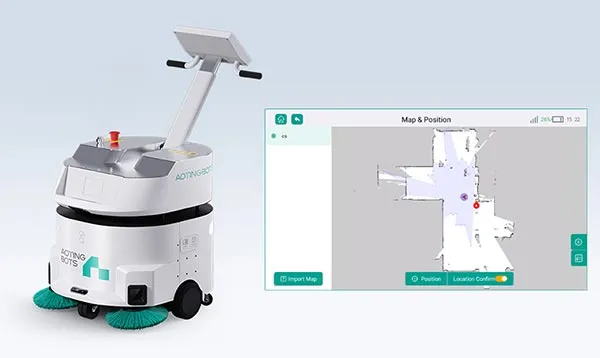
The sheer scale of industrial spaces creates a significant logistical burden. Large footprints mean manual cleaning is often slow and inconsistent. Labor shortages further complicate these efforts, making it difficult to maintain high standards across multiple shifts.
Diverse surface contaminants present another technical hurdle for facility teams. Industrial floors often collect a mix of fine dust, heavy oils, and metallic debris. Removing these effectively requires specialized chemicals and high-pressure scrubbing capabilities.
Safety remains a paramount concern in any high-traffic environment. Wet floors pose a significant slip-and-fall risk for employees and visitors. Effective cleaning must ensure that floors are scrubbed and dried almost instantaneously to prevent accidents.
Industrial layouts are rarely wide-open spaces, which adds complexity to the cleaning process. Stationary production lines and high-density racking create narrow aisles and tight corners. Navigating these obstacles requires equipment with high maneuverability and precise edge-cleaning capabilities.
Environmental conditions such as lighting and floor texture also impact cleaning performance. Uneven surfaces or expansion joints can trap debris and moisture. Equipment must be robust enough to handle varying floor conditions without losing suction or scrubbing power.
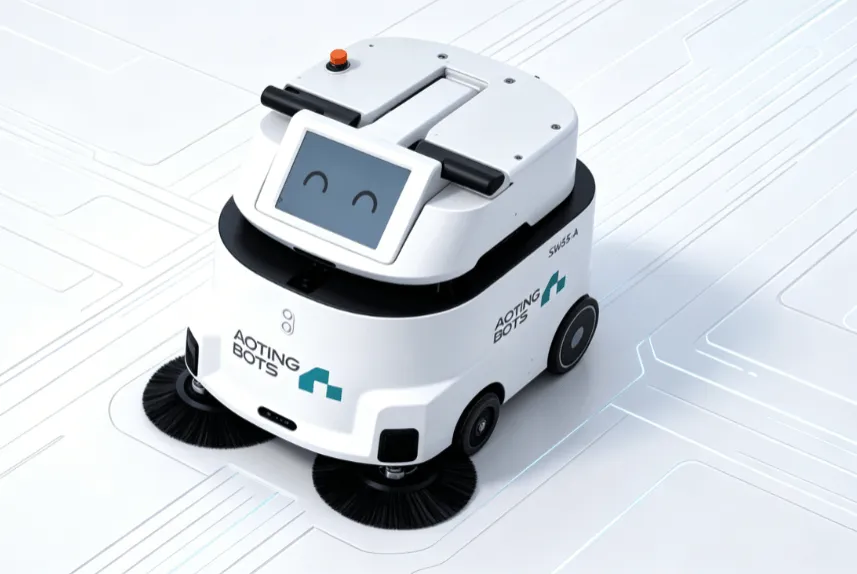
Dynamic obstacles, including moving personnel and forklifts, require real-time adaptation. Cleaning operations must occur alongside active production to maximize efficiency. This necessitates systems that can detect and avoid obstacles without interrupting the cleaning cycle or risking collisions.
Compliance with safety regulations like OSHA standards is non-negotiable in industrial settings. Improperly cleaned floors can lead to regulatory fines and increased insurance premiums. Consistency in cleaning frequency is essential for maintaining a compliant workplace environment.
Cross-contamination is a significant risk in food processing or pharmaceutical manufacturing. Cleaning protocols must involve sanitized equipment to prevent the spread of bacteria. We prioritize hygiene by integrating easy-to-clean tanks and antibacterial components into our hardware designs.
Environmental sustainability is becoming a core requirement for modern industrial operations. Reducing water consumption and chemical runoff helps facilities meet green building certifications. Efficient filtration systems allow for water recycling, extending the runtime between maintenance intervals.
Consistent friction levels must be maintained to prevent vehicle skidding.
Chemical disposal must align with local environmental protection regulations.
Documentation of cleaning logs is often required for ISO audits.
To solve these persistent issues, we developed the SW55-A autonomous floor scrubber. This system integrates advanced SLAM (Simultaneous Localization and Mapping) technology to handle complex industrial layouts. Our goal was to eliminate the variability of manual labor while increasing coverage density.
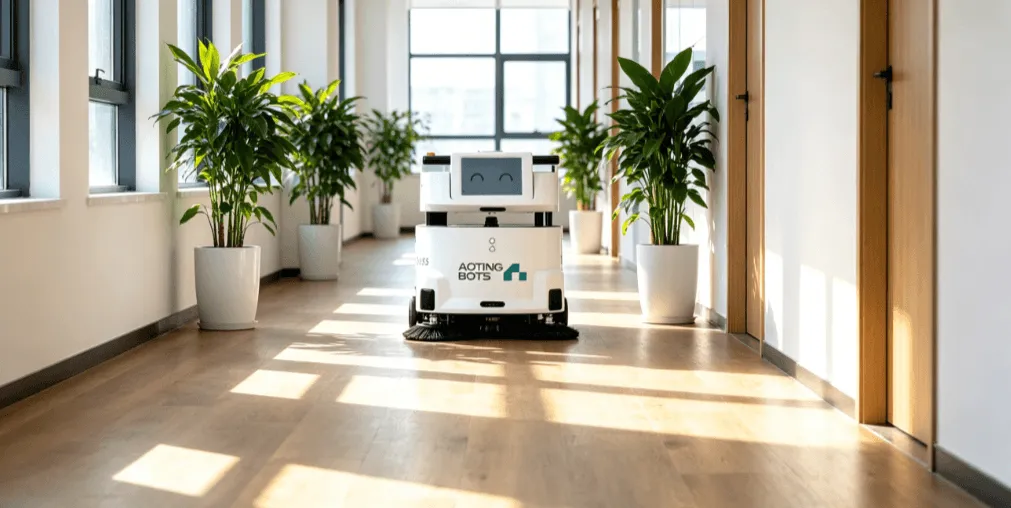
By utilizing 3D LiDAR and depth cameras, our robots navigate safely around both static and moving obstacles. This allows for 24/7 cleaning operations without the need for constant human supervision. The autonomous nature of the system ensures that every square inch of the facility is covered systematically.
We engineered the SW55-A with a high-pressure scrubbing system to tackle stubborn industrial grime. The dual-brush design provides superior agitation, lifting oils and dust effectively. This technical precision ensures that the floor is left clean and dry in a single pass.
Selecting the right brush pressure and water flow is critical for different floor types. Polished concrete requires a different approach than epoxy-coated surfaces or anti-static flooring. Adjustable settings allow operators to customize the cleaning intensity based on the specific zone.
Pre-sweeping is often a necessary step to protect scrubbing hardware from large debris. In environments with heavy metal shavings or wood scraps, integrated sweeping modules are essential. This two-stage approach prevents clogs and extends the life of the squeegee blades.
Battery management is the final piece of the efficiency puzzle in large spaces. We utilize high-capacity lithium batteries to ensure long-duration operation across vast areas. Self-charging capabilities allow our systems to return to a dock, ensuring they are always ready for the next shift.
Identify high-soil zones that require more frequent cleaning cycles.
Map the facility to optimize the pathing and minimize overlap.
Deploy autonomous scrubbers during off-peak or active hours as needed.
Monitor performance data to refine chemical and water usage.
How often should large industrial floors be cleaned?
Frequency depends on the volume of traffic and the nature of the contaminants. High-production manufacturing zones often require daily scrubbing, while low-traffic storage areas may only need weekly maintenance.
Can autonomous scrubbers handle narrow warehouse aisles?
Yes, our autonomous solutions are designed with a compact footprint and zero-turn capabilities. This allows them to navigate standard warehouse aisles and clean close to racking systems without risk of impact.
What is the benefit of using an autonomous scrubber over a ride-on machine?
Automation provides higher consistency and redeploys human labor to more complex tasks. Autonomous systems like ours also provide detailed data logs, ensuring that cleaning quality is documented and verifiable for compliance.
Do these machines work on uneven industrial floors?
Modern scrubbers feature floating brush heads and flexible squeegees that adapt to minor surface variations. This ensures consistent contact and water recovery even on floors with expansion joints or slight slopes.
Are chemicals always required for industrial floor cleaning?
While many dust-heavy environments can be cleaned with water alone, grease and oil require specialized detergents. We recommend using low-foam, industrial-grade chemicals to maximize the effectiveness of the scrubbing system.
OSHA Occupational Noise Exposure and Safety Standards
https://www.osha.gov/laws-regs/regulations/standardnumber/1910
ISSA Cleaning Industry Management Standard Overview
https://www.issa.com/certification/cleaning-industry-management-standard-cims
ISO 9001 Quality Management Systems Requirements
https://www.iso.org/standard/62085.html
Maintaining cleanliness in massive industrial environments involves more than just aesthetics. Large-scale facilities like warehouses, manufacturing plants, and logistics hubs face unique operational hurdles. High foot traffic, heavy machinery, and diverse contaminants demand a strategic approach to floor maintenance.
Traditional cleaning methods often struggle to keep pace with modern industrial demands. Managers must balance operational uptime with the rigorous requirements of safety and hygiene. Understanding these complexities is the first step toward optimizing your facility management workflow.
The sheer scale of industrial spaces creates a significant logistical burden. Large footprints mean manual cleaning is often slow and inconsistent. Labor shortages further complicate these efforts, making it difficult to maintain high standards across multiple shifts.
Diverse surface contaminants present another technical hurdle for facility teams. Industrial floors often collect a mix of fine dust, heavy oils, and metallic debris. Removing these effectively requires specialized chemicals and high-pressure scrubbing capabilities.
Safety remains a paramount concern in any high-traffic environment. Wet floors pose a significant slip-and-fall risk for employees and visitors. Effective cleaning must ensure that floors are scrubbed and dried almost instantaneously to prevent accidents.
Industrial layouts are rarely wide-open spaces, which adds complexity to the cleaning process. Stationary production lines and high-density racking create narrow aisles and tight corners. Navigating these obstacles requires equipment with high maneuverability and precise edge-cleaning capabilities.
Environmental conditions such as lighting and floor texture also impact cleaning performance. Uneven surfaces or expansion joints can trap debris and moisture. Equipment must be robust enough to handle varying floor conditions without losing suction or scrubbing power.
Dynamic obstacles, including moving personnel and forklifts, require real-time adaptation. Cleaning operations must occur alongside active production to maximize efficiency. This necessitates systems that can detect and avoid obstacles without interrupting the cleaning cycle or risking collisions.
Compliance with safety regulations like OSHA standards is non-negotiable in industrial settings. Improperly cleaned floors can lead to regulatory fines and increased insurance premiums. Consistency in cleaning frequency is essential for maintaining a compliant workplace environment.
Cross-contamination is a significant risk in food processing or pharmaceutical manufacturing. Cleaning protocols must involve sanitized equipment to prevent the spread of bacteria. We prioritize hygiene by integrating easy-to-clean tanks and antibacterial components into our hardware designs.
Environmental sustainability is becoming a core requirement for modern industrial operations. Reducing water consumption and chemical runoff helps facilities meet green building certifications. Efficient filtration systems allow for water recycling, extending the runtime between maintenance intervals.
Consistent friction levels must be maintained to prevent vehicle skidding.
Chemical disposal must align with local environmental protection regulations.
Documentation of cleaning logs is often required for ISO audits.
To solve these persistent issues, we developed the SW55-A autonomous floor scrubber. This system integrates advanced SLAM (Simultaneous Localization and Mapping) technology to handle complex industrial layouts. Our goal was to eliminate the variability of manual labor while increasing coverage density.
By utilizing 3D LiDAR and depth cameras, our robots navigate safely around both static and moving obstacles. This allows for 24/7 cleaning operations without the need for constant human supervision. The autonomous nature of the system ensures that every square inch of the facility is covered systematically.
We engineered the SW55-A with a high-pressure scrubbing system to tackle stubborn industrial grime. The dual-brush design provides superior agitation, lifting oils and dust effectively. This technical precision ensures that the floor is left clean and dry in a single pass.
Selecting the right brush pressure and water flow is critical for different floor types. Polished concrete requires a different approach than epoxy-coated surfaces or anti-static flooring. Adjustable settings allow operators to customize the cleaning intensity based on the specific zone.
Pre-sweeping is often a necessary step to protect scrubbing hardware from large debris. In environments with heavy metal shavings or wood scraps, integrated sweeping modules are essential. This two-stage approach prevents clogs and extends the life of the squeegee blades.
Battery management is the final piece of the efficiency puzzle in large spaces. We utilize high-capacity lithium batteries to ensure long-duration operation across vast areas. Self-charging capabilities allow our systems to return to a dock, ensuring they are always ready for the next shift.
Identify high-soil zones that require more frequent cleaning cycles.
Map the facility to optimize the pathing and minimize overlap.
Deploy autonomous scrubbers during off-peak or active hours as needed.
Monitor performance data to refine chemical and water usage.
How often should large industrial floors be cleaned?
Frequency depends on the volume of traffic and the nature of the contaminants. High-production manufacturing zones often require daily scrubbing, while low-traffic storage areas may only need weekly maintenance.
Can autonomous scrubbers handle narrow warehouse aisles?
Yes, our autonomous solutions are designed with a compact footprint and zero-turn capabilities. This allows them to navigate standard warehouse aisles and clean close to racking systems without risk of impact.
What is the benefit of using an autonomous scrubber over a ride-on machine?
Automation provides higher consistency and redeploys human labor to more complex tasks. Autonomous systems like ours also provide detailed data logs, ensuring that cleaning quality is documented and verifiable for compliance.
Do these machines work on uneven industrial floors?
Modern scrubbers feature floating brush heads and flexible squeegees that adapt to minor surface variations. This ensures consistent contact and water recovery even on floors with expansion joints or slight slopes.
Are chemicals always required for industrial floor cleaning?
While many dust-heavy environments can be cleaned with water alone, grease and oil require specialized detergents. We recommend using low-foam, industrial-grade chemicals to maximize the effectiveness of the scrubbing system.
OSHA Occupational Noise Exposure and Safety Standards
https://www.osha.gov/laws-regs/regulations/standardnumber/1910
ISSA Cleaning Industry Management Standard Overview
https://www.issa.com/certification/cleaning-industry-management-standard-cims
ISO 9001 Quality Management Systems Requirements
https://www.iso.org/standard/62085.html
CONTACT US
we aim to become a global leader in manufacturer space service robotics and artificial intelligence.


