



we aim to become a global leader in manufacturer space service robotics and artificial intelligence.
SEARCH WHAT YOU WANT
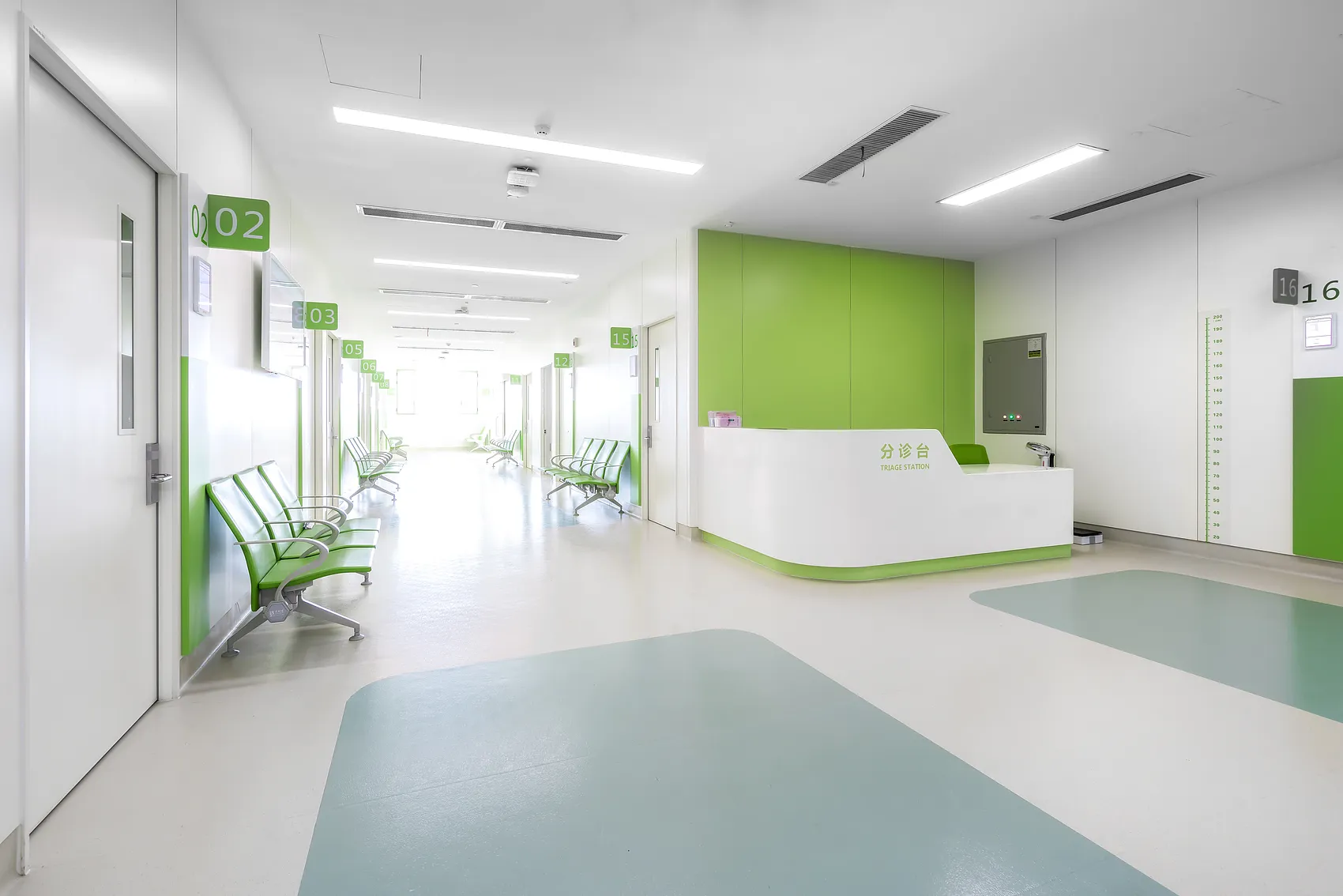
Cleaning Challenges
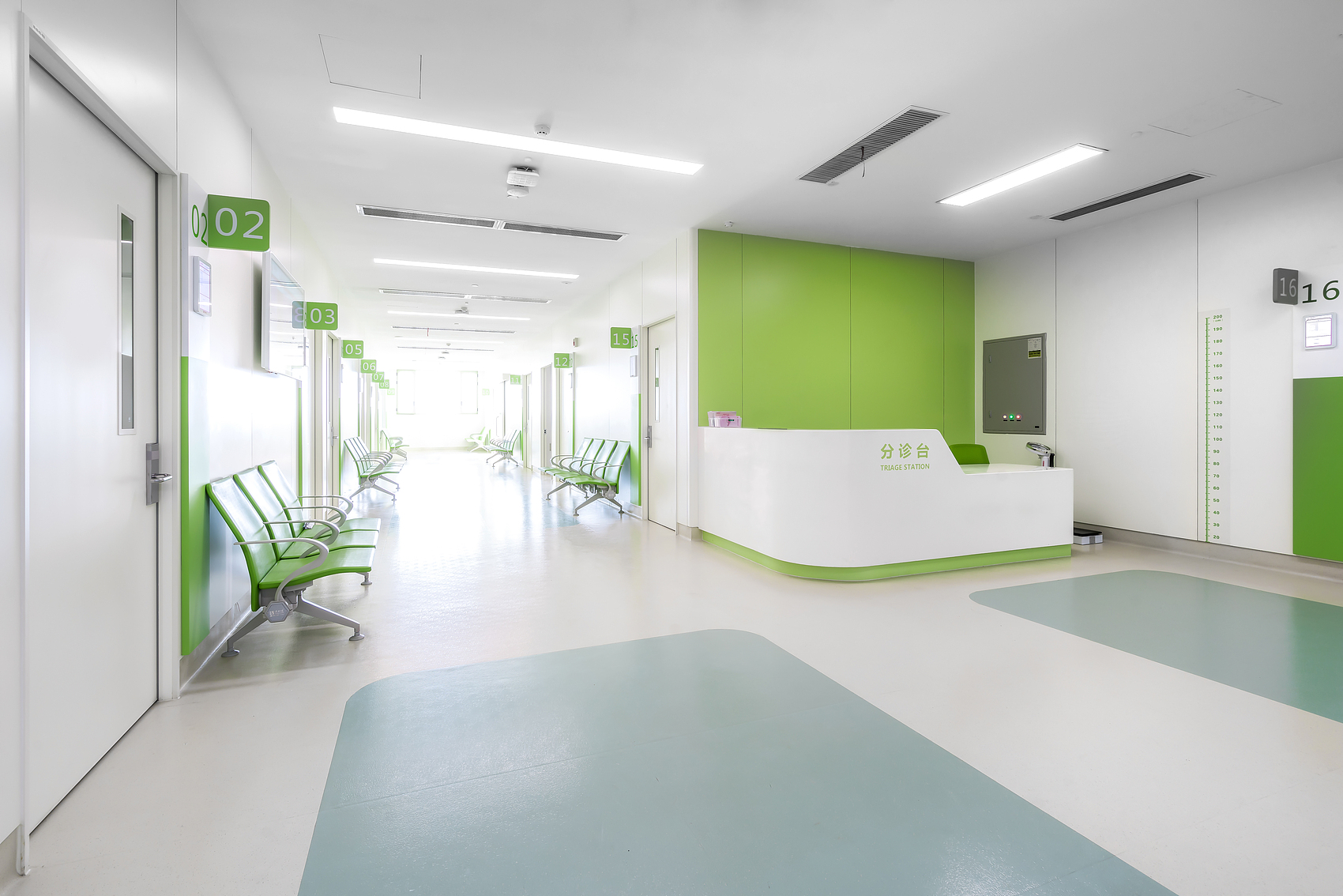
● High hygiene standards: Hospitals are areas with high personnel turnover, where patients, caregivers, and visitors frequently interact, making the floors prone to contamination with germs and dust. To prevent the spread of pathogens, the floors need to be kept in a high level of cleanliness.
● Water stains contaminate the hospital environment and pose a slip hazard: Traditional cleaning methods, such as wet mopping and water washing, are prone to leaving water stains, contaminating the floor environment, and also causing odors and visual blemishes, thereby reducing the patient experience.
● Cleaning workers face occupational exposure risks: hospitals, as areas where potential infectious sources gather, expose cleaning staff to these risks for extended periods, posing an infection hazard.
● Noise issue of large cleaning equipment: Traditional large cleaning equipment produces loud noise, which can easily disturb outpatient peak periods, waiting areas, and medical staff work, reducing patient satisfaction and medical staff focus.
● Save cleaning costs: Manual cleaning requires a large amount of manpower, water, and cleaning agents, resulting in high long-term operating costs, as well as increased burdens on manpower recruitment, training, and management.
● Cleanliness reflects the hospital's atmosphere: A clean floor reflects the level of meticulous management in the hospital, enhances patients' trust, and elevates the overall quality and modern image of the hospital.
Cleaning Challenges
● High hygiene standards: Hospitals are areas with high personnel turnover, where patients, caregivers, and visitors frequently interact, making the floors prone to contamination with germs and dust. To prevent the spread of pathogens, the floors need to be kept in a high level of cleanliness.
● Water stains contaminate the hospital environment and pose a slip hazard: Traditional cleaning methods, such as wet mopping and water washing, are prone to leaving water stains, contaminating the floor environment, and also causing odors and visual blemishes, thereby reducing the patient experience.
● Cleaning workers face occupational exposure risks: hospitals, as areas where potential infectious sources gather, expose cleaning staff to these risks for extended periods, posing an infection hazard.
● Noise issue of large cleaning equipment: Traditional large cleaning equipment produces loud noise, which can easily disturb outpatient peak periods, waiting areas, and medical staff work, reducing patient satisfaction and medical staff focus.
● Save cleaning costs: Manual cleaning requires a large amount of manpower, water, and cleaning agents, resulting in high long-term operating costs, as well as increased burdens on manpower recruitment, training, and management.
● Cleanliness reflects the hospital's atmosphere: A clean floor reflects the level of meticulous management in the hospital, enhances patients' trust, and elevates the overall quality and modern image of the hospital.
Results & Impact
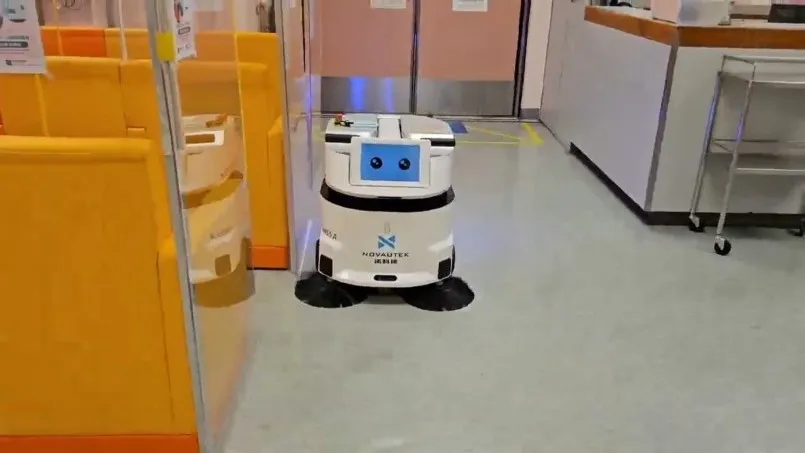
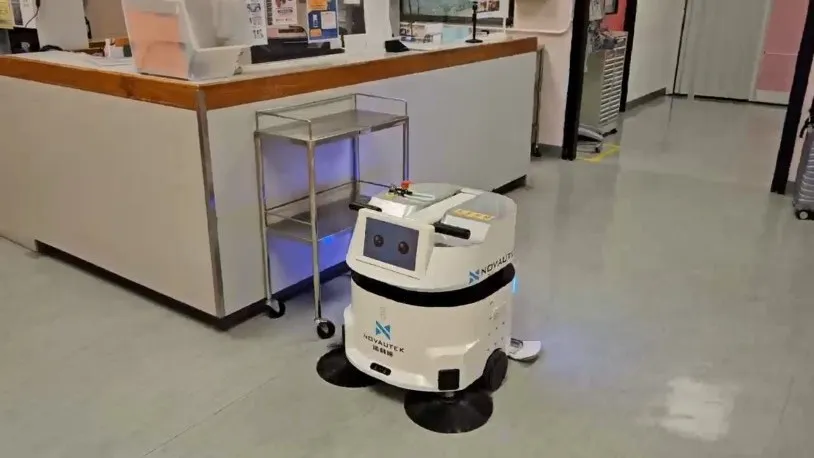
1. Improving cleaning efficiency: The Aoteng waterless cleaning robot supports automatic operation around the clock. Through intelligent path planning and efficient scheduling, it continuously covers high-traffic areas such as outpatient halls. It can achieve higher frequency and more stable ground maintenance, enhancing overall cleaning efficiency.
2. Reduce the risk of cross-infection: Hospitals have strict requirements for infection control. Robots adopt dry cleaning technology, which is water-free and residue-free, avoiding the risk of bacterial growth and transmission caused by traditional wet mopping, effectively reducing the possibility of cross-infection in public areas.
3. Reduced cleaning costs: Robots, through automated operation, can replace a large number of manual daily ground cleaning tasks, and require no water or cleaning agents, achieving a significant reduction in long-term operating costs.
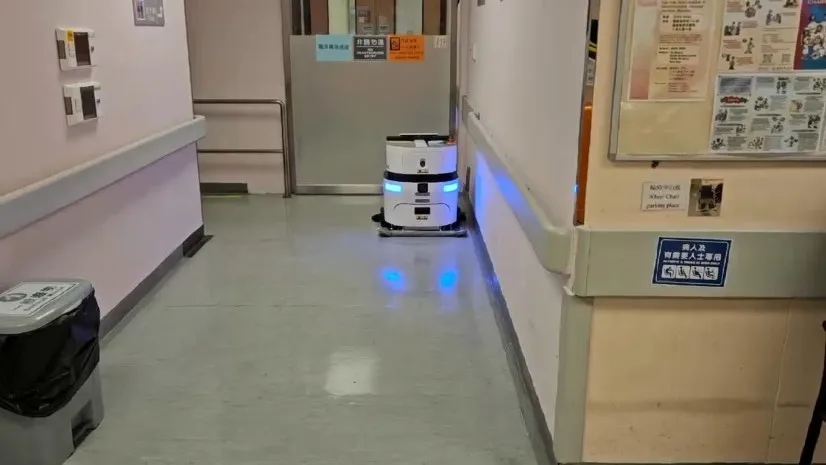
4. Reduce noise and disturbance, create a quiet environment: The operating noise is lower than 62 decibels, equivalent to normal conversation, allowing operation during peak outpatient hours or in waiting areas without affecting doctor-patient communication and medical order, thus helping to create a quiet and comfortable diagnosis and treatment environment.
5. Enhancing the overall environment and image of the hospital: The application of intelligent cleaning equipment reflects the refined and modern operation and management level of the hospital, enhances patients' trust in the medical environment and service quality, and helps to create a high-standard, patient-centered image of the medical space.
Results & Impact
1. Improving cleaning efficiency: The Aoteng waterless cleaning robot supports automatic operation around the clock. Through intelligent path planning and efficient scheduling, it continuously covers high-traffic areas such as outpatient halls. It can achieve higher frequency and more stable ground maintenance, enhancing overall cleaning efficiency.
2. Reduce the risk of cross-infection: Hospitals have strict requirements for infection control. Robots adopt dry cleaning technology, which is water-free and residue-free, avoiding the risk of bacterial growth and transmission caused by traditional wet mopping, effectively reducing the possibility of cross-infection in public areas.
3. Reduced cleaning costs: Robots, through automated operation, can replace a large number of manual daily ground cleaning tasks, and require no water or cleaning agents, achieving a significant reduction in long-term operating costs.
4. Reduce noise and disturbance, create a quiet environment: The operating noise is lower than 62 decibels, equivalent to normal conversation, allowing operation during peak outpatient hours or in waiting areas without affecting doctor-patient communication and medical order, thus helping to create a quiet and comfortable diagnosis and treatment environment.
5. Enhancing the overall environment and image of the hospital: The application of intelligent cleaning equipment reflects the refined and modern operation and management level of the hospital, enhances patients' trust in the medical environment and service quality, and helps to create a high-standard, patient-centered image of the medical space.
User Reviews
"Operating Aoting robots is very simple. After assigning tasks, they can automatically clean without leaving water stains, greatly reducing the cleaning burden on our hospital." - An employee from the logistics service department of a hospital
User Reviews
"Operating Aoting robots is very simple. After assigning tasks, they can automatically clean without leaving water stains, greatly reducing the cleaning burden on our hospital." - An employee from the logistics service department of a hospital
we aim to become a global leader in manufacturer space service robotics and artificial intelligence.