



we aim to become a global leader in manufacturer space service robotics and artificial intelligence.
SEARCH WHAT YOU WANT
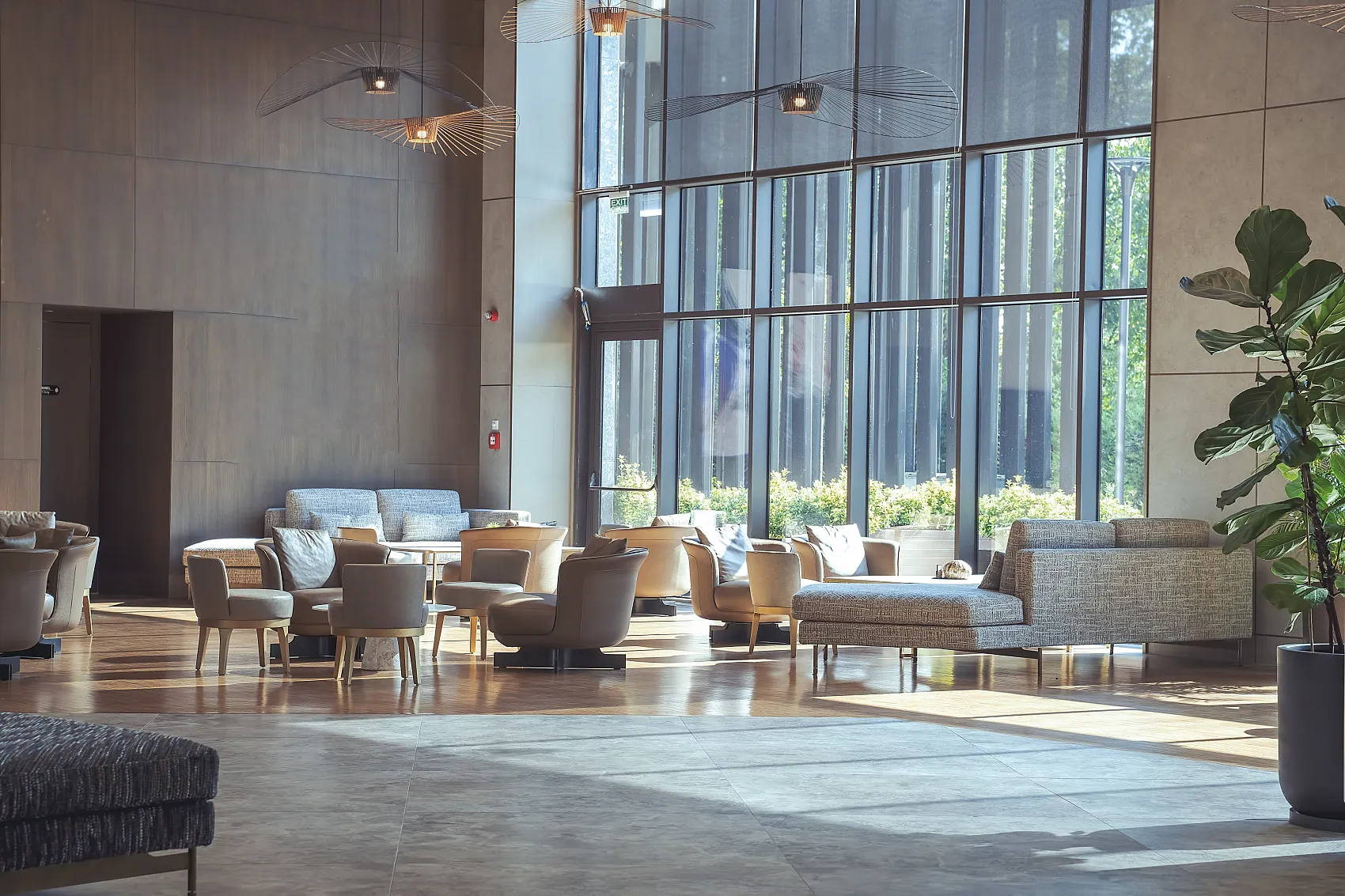
Cleaning challenges faced
● Intensified competition in the hotel industry and squeezed profit margins: With the overall slowdown in room revenue growth in the hotel industry, operating profits are being squeezed. Against this backdrop, the high labor costs associated with manual cleaning have become a key area in urgent need of optimization.
● Improvement in cleaning standards: Guests' attention to the hygiene conditions of guest rooms and public areas continues to increase. Any oversight in cleaning may lead to negative reviews or complaints, which in turn can affect the overall rating and brand reputation of the hotel.
● High-frequency cleaning requirements: Due to high occupancy rates, rapid room turnover, and long-hour operation of public areas, cleaning tasks exhibit characteristics of high frequency and high intensity. Relying solely on manual labor makes it difficult to maintain stable quality over the long term.
● Hotel hygiene and safety pressure: In the post-pandemic era, guests are paying more attention to the effectiveness of disinfection and the transparency of the cleaning process. Traditional cleaning methods face challenges in terms of efficiency, standardization, and traceability.
● Carpet cleaning is both time-consuming and labor-intensive: Hotels extensively lay carpets in guest rooms and public areas, which enhances comfort. However, the long cleaning cycle and high cleaning costs of carpets increase the difficulty of daily maintenance.
Cleaning challenges faced
● Intensified competition in the hotel industry and squeezed profit margins: With the overall slowdown in room revenue growth in the hotel industry, operating profits are being squeezed. Against this backdrop, the high labor costs associated with manual cleaning have become a key area in urgent need of optimization.
● Improvement in cleaning standards: Guests' attention to the hygiene conditions of guest rooms and public areas continues to increase. Any oversight in cleaning may lead to negative reviews or complaints, which in turn can affect the overall rating and brand reputation of the hotel.
● High-frequency cleaning requirements: Due to high occupancy rates, rapid room turnover, and long-hour operation of public areas, cleaning tasks exhibit characteristics of high frequency and high intensity. Relying solely on manual labor makes it difficult to maintain stable quality over the long term.
● Hotel hygiene and safety pressure: In the post-pandemic era, guests are paying more attention to the effectiveness of disinfection and the transparency of the cleaning process. Traditional cleaning methods face challenges in terms of efficiency, standardization, and traceability.
● Carpet cleaning is both time-consuming and labor-intensive: Hotels extensively lay carpets in guest rooms and public areas, which enhances comfort. However, the long cleaning cycle and high cleaning costs of carpets increase the difficulty of daily maintenance.
Application Effect
1. Reduce operating costs: Robots undertake high-frequency, repetitive cleaning tasks, reducing labor input and lowering the costs of manpower, utilities, and consumables, thereby helping hotels optimize their human resource allocation.
2. Standardized cleaning quality: The robot operates stably and consistently, ensuring uniform cleaning results and reducing cleaning omissions; through back-end data recording, the transparency of cleaning management is enhanced.
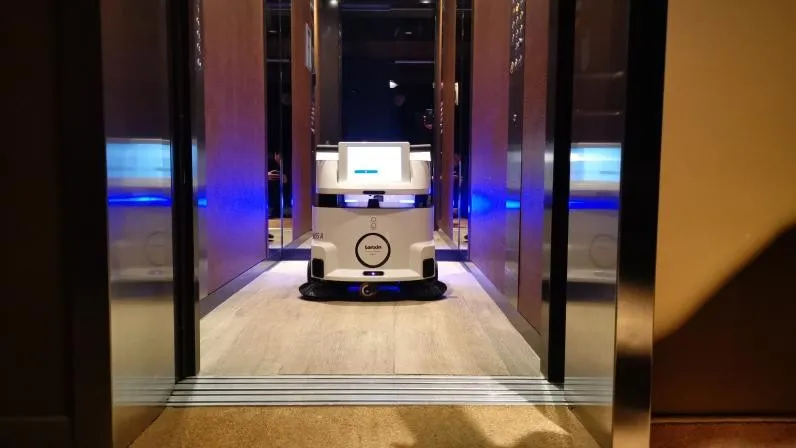
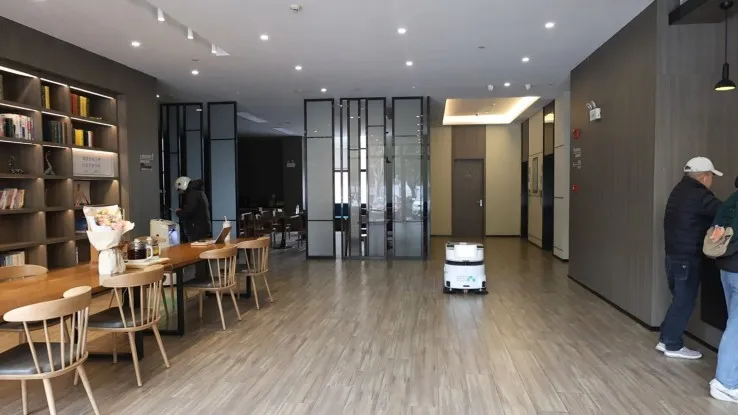
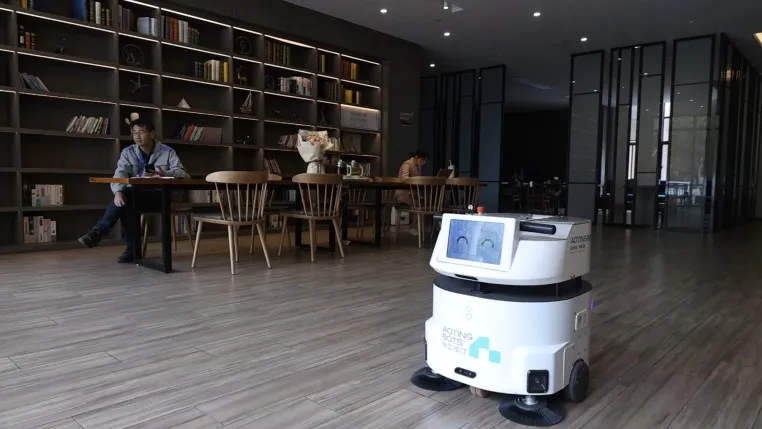
3. Improve cleaning efficiency: Equipped with a roller brush and vacuuming function, it efficiently adapts to carpeted areas, increases cleaning frequency and depth, and assists in optimizing cleaning schedules through operational data.
4. Enhancing guest satisfaction: Intelligent cleaning robots demonstrate the hotel's level of technological management, providing guests with a more professional and modern service experience, and enhancing brand competitiveness.
Application Effect
1. Reduce operating costs: Robots undertake high-frequency, repetitive cleaning tasks, reducing labor input and lowering the costs of manpower, utilities, and consumables, thereby helping hotels optimize their human resource allocation.
2. Standardized cleaning quality: The robot operates stably and consistently, ensuring uniform cleaning results and reducing cleaning omissions; through back-end data recording, the transparency of cleaning management is enhanced.
3. Improve cleaning efficiency: Equipped with a roller brush and vacuuming function, it efficiently adapts to carpeted areas, increases cleaning frequency and depth, and assists in optimizing cleaning schedules through operational data.
4. Enhancing guest satisfaction: Intelligent cleaning robots demonstrate the hotel's level of technological management, providing guests with a more professional and modern service experience, and enhancing brand competitiveness.
User Reviews
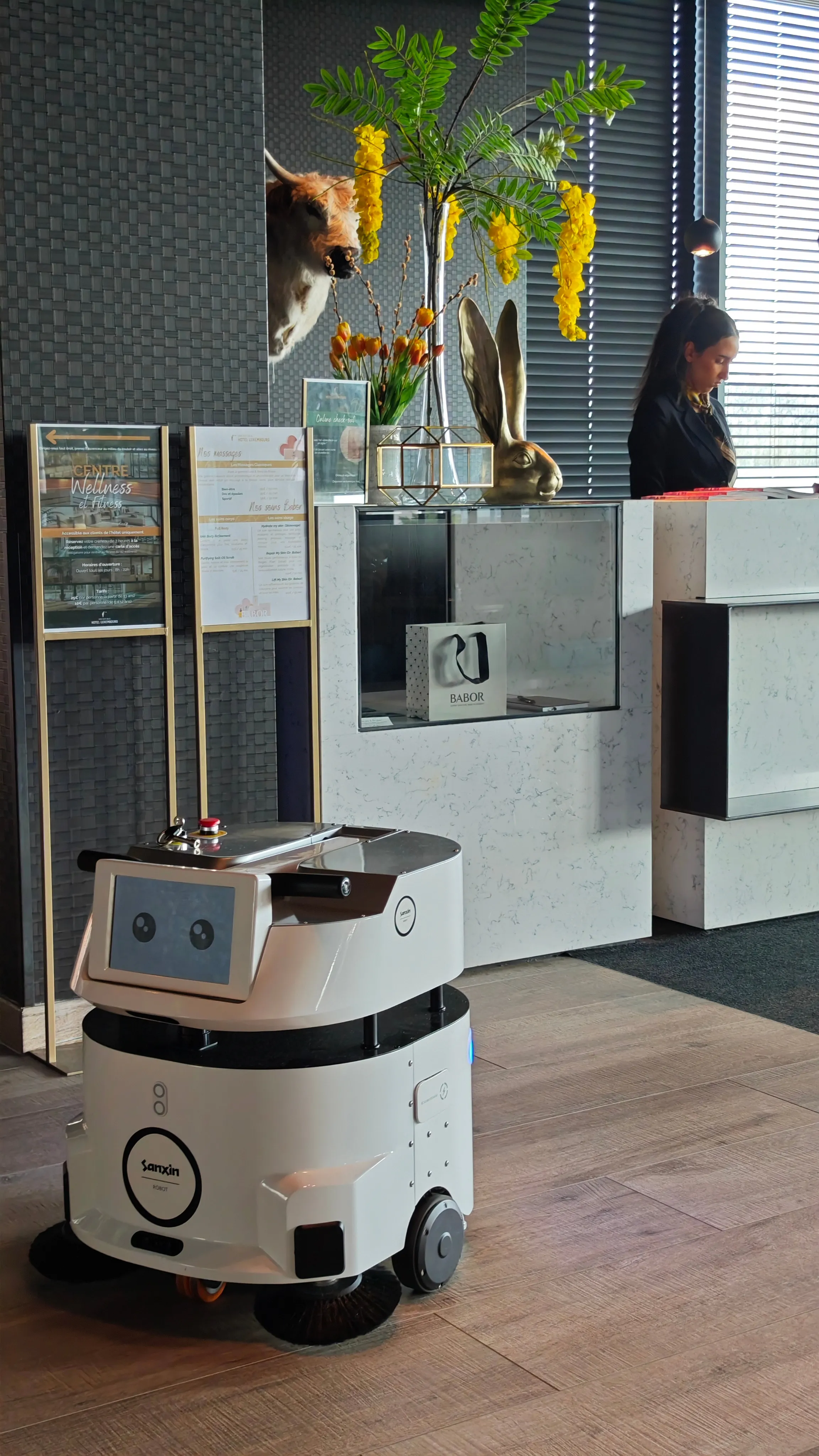
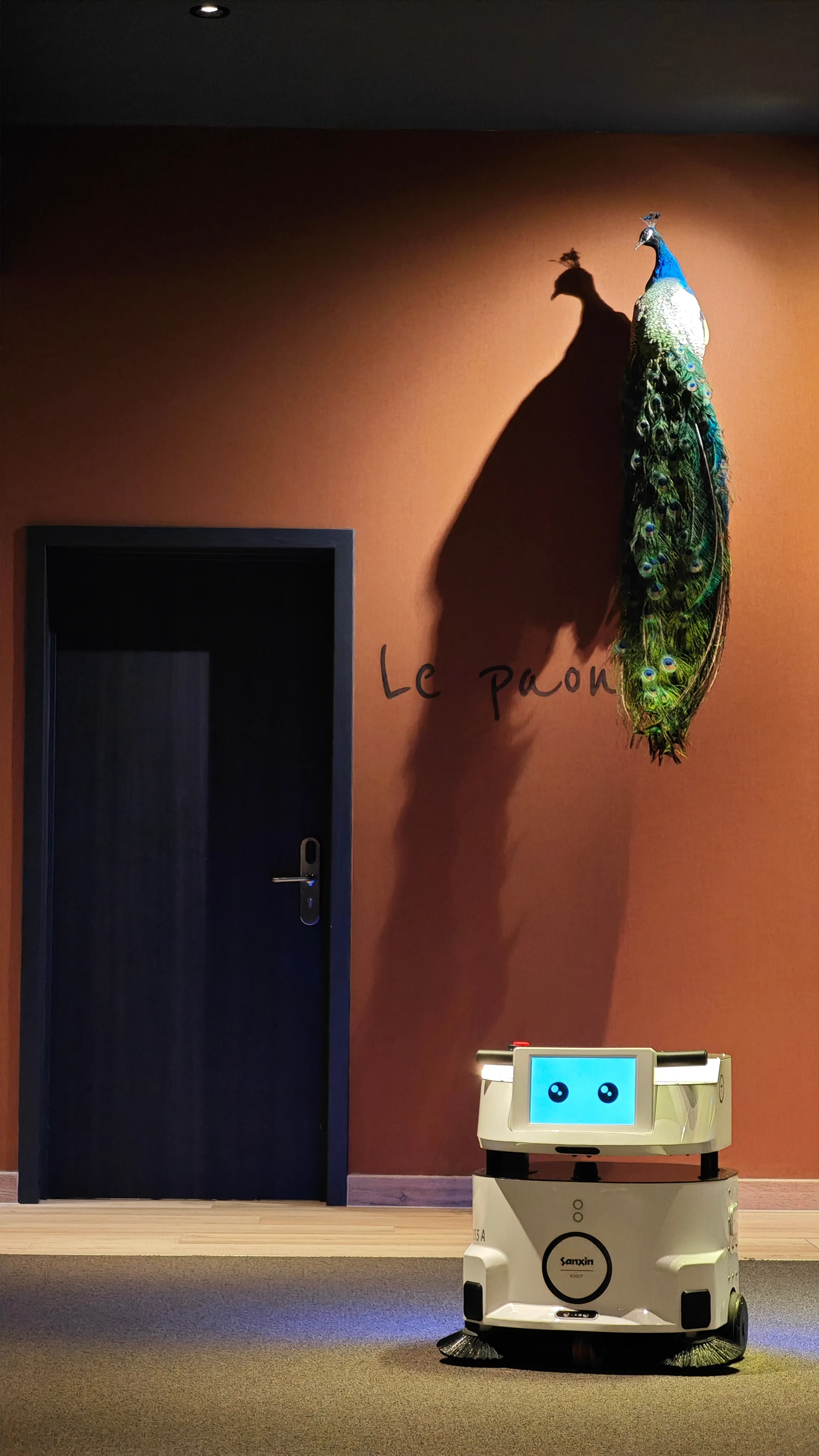
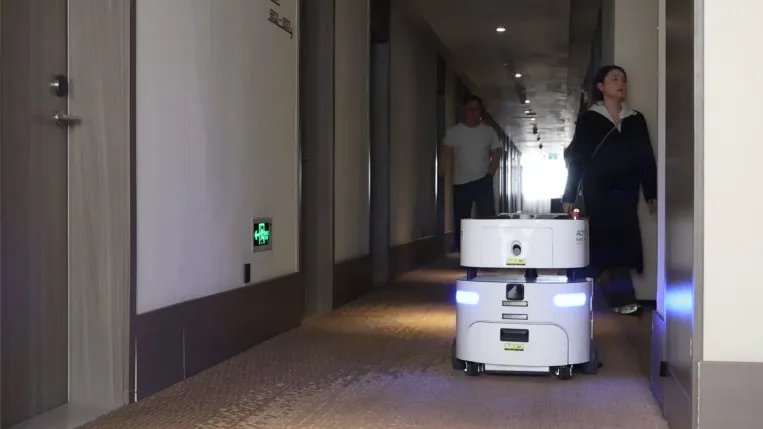
"Previously, we had to use a handheld vacuum cleaner to vacuum the carpet bit by bit. Now, the robot can clean automatically and thoroughly, saving us a lot of effort." - a cleaning staff member at a hotel
 |
 |
 |
 |
 |
 |
User Reviews
"Previously, we had to use a handheld vacuum cleaner to vacuum the carpet bit by bit. Now, the robot can clean automatically and thoroughly, saving us a lot of effort." - a cleaning staff member at a hotel
|
|
|
|
|
|
we aim to become a global leader in manufacturer space service robotics and artificial intelligence.