




we aim to become a global leader in manufacturer space service robotics and artificial intelligence.
SEARCH WHAT YOU WANT
Cleaning Challenges
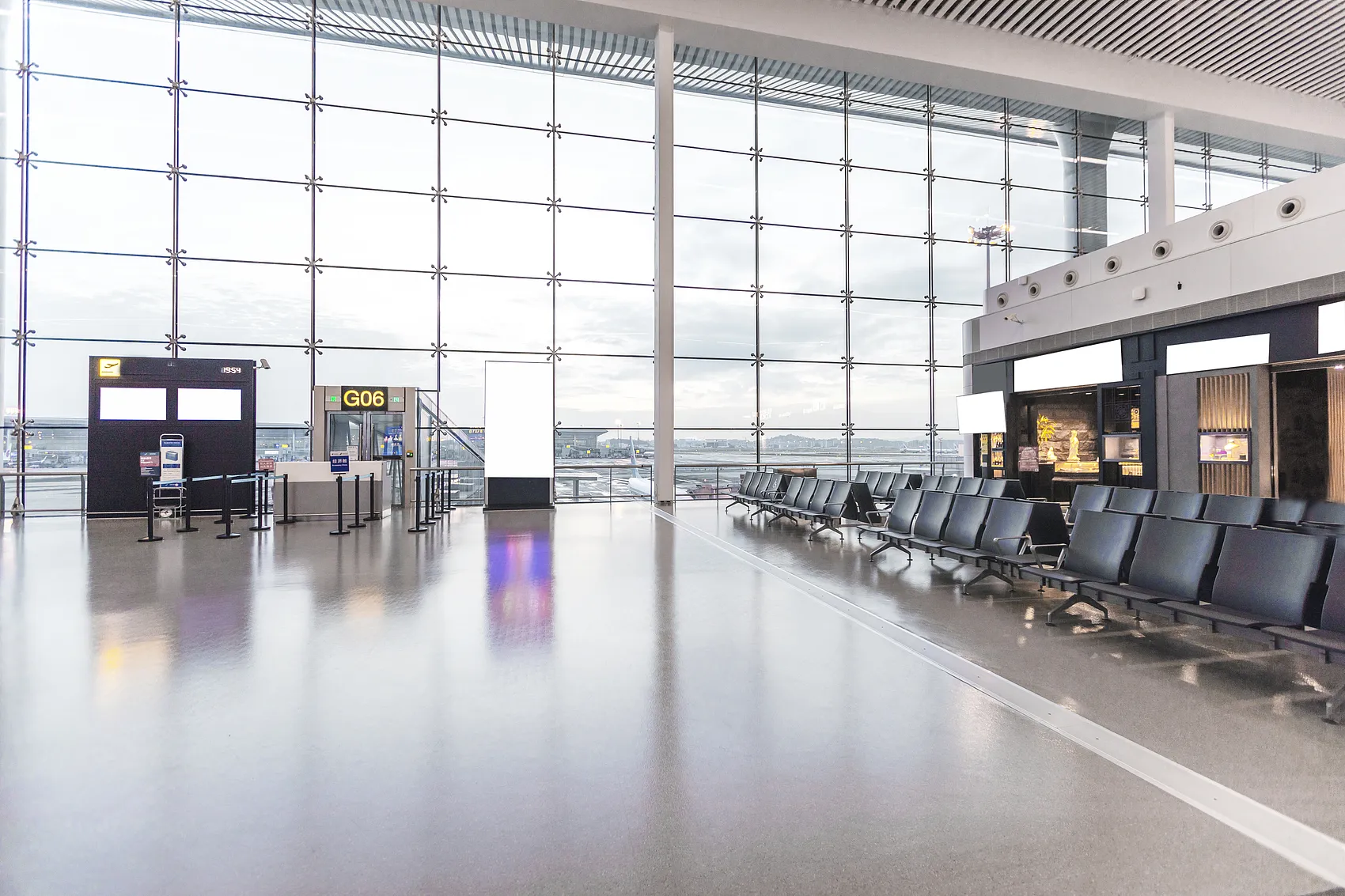
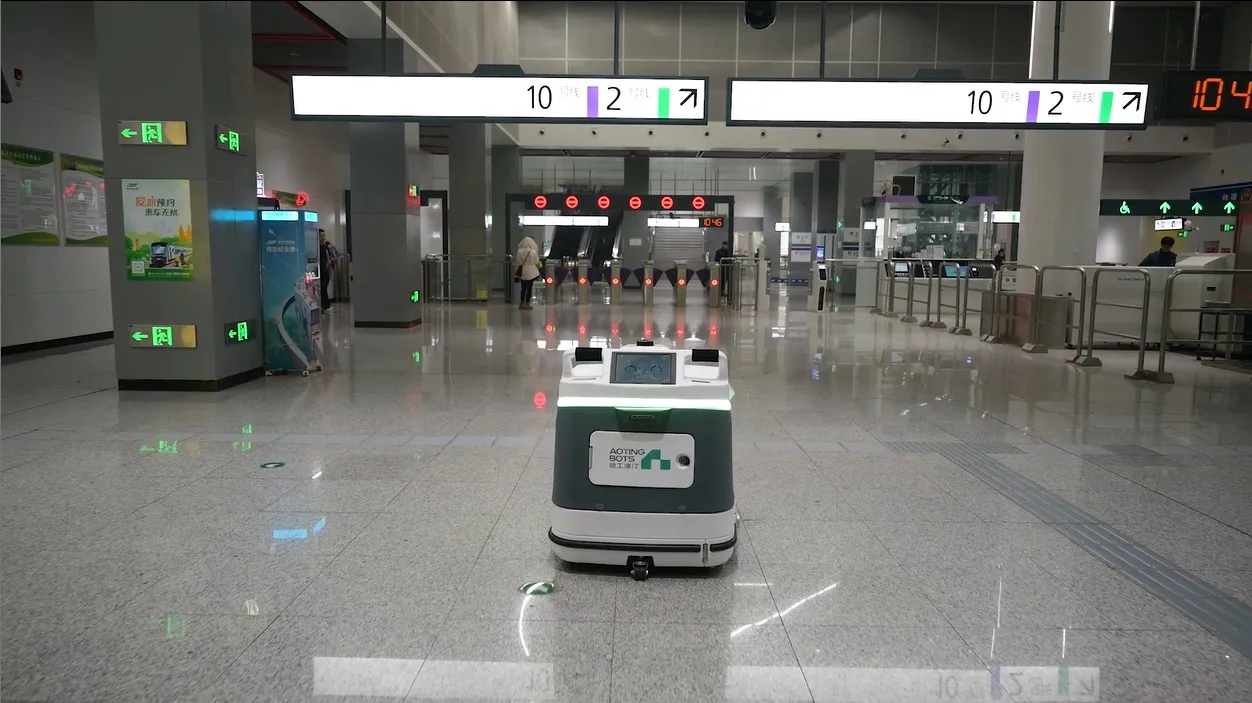
● The environment is complex, and the cleaning task is arduous: subway stations have a large cleaning area and diverse scenes, including tactile paving, ramps, escalators, turnstiles, waiting areas, and other complex obstacles, making the cleaning process challenging.
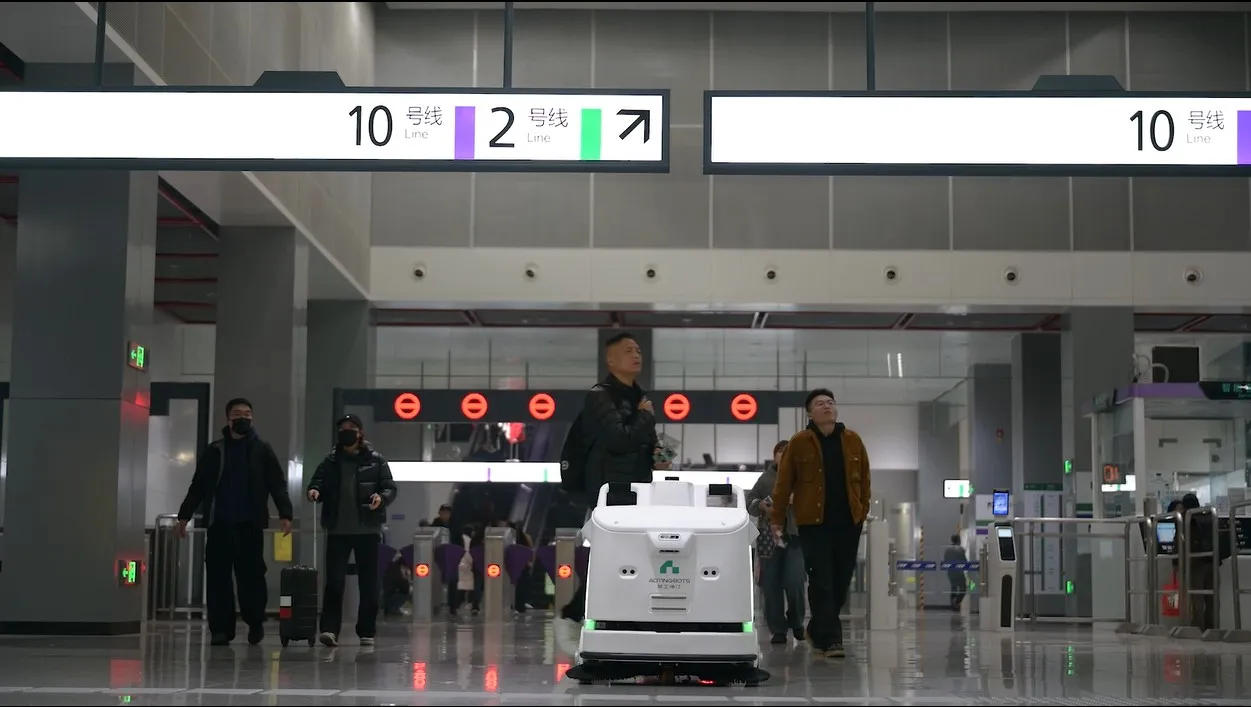
● Large passenger flow and high cleaning difficulty: As a public transportation hub, the passenger flow is large and frequent, and ground stains, garbage, and dust accumulate quickly, making it difficult to maintain cleanliness through manual cleaning over a long period of time.
● Limited cleaning time and high operational pressure: To avoid affecting passenger flow, cleaning is often arranged during off-peak or nighttime periods. With a short operational window, high-quality cleaning needs to be completed within a limited time, placing higher demands on manual maintenance.
● High cleaning requirements: The floors of subway stations are mostly made of smooth materials such as marble and tile, which require thorough cleaning to maintain the cleanliness and order of public places.
● There are safety hazards associated with water cleaning equipment: some water cleaning robots have leakage issues during use, leaving water stains in the operation area, which can subsequently cause safety accidents such as pedestrians falling.
Cleaning Challenges
● The environment is complex, and the cleaning task is arduous: subway stations have a large cleaning area and diverse scenes, including tactile paving, ramps, escalators, turnstiles, waiting areas, and other complex obstacles, making the cleaning process challenging.
● Large passenger flow and high cleaning difficulty: As a public transportation hub, the passenger flow is large and frequent, and ground stains, garbage, and dust accumulate quickly, making it difficult to maintain cleanliness through manual cleaning over a long period of time.
● Limited cleaning time and high operational pressure: To avoid affecting passenger flow, cleaning is often arranged during off-peak or nighttime periods. With a short operational window, high-quality cleaning needs to be completed within a limited time, placing higher demands on manual maintenance.
● High cleaning requirements: The floors of subway stations are mostly made of smooth materials such as marble and tile, which require thorough cleaning to maintain the cleanliness and order of public places.
● There are safety hazards associated with water cleaning equipment: some water cleaning robots have leakage issues during use, leaving water stains in the operation area, which can subsequently cause safety accidents such as pedestrians falling.
Results & Impact
1. Reducing operational costs: Robots have replaced some manual cleaning tasks, allowing the station to allocate the saved costs towards other facility maintenance and service optimization, thereby achieving a long-term reduction in overall operational costs.
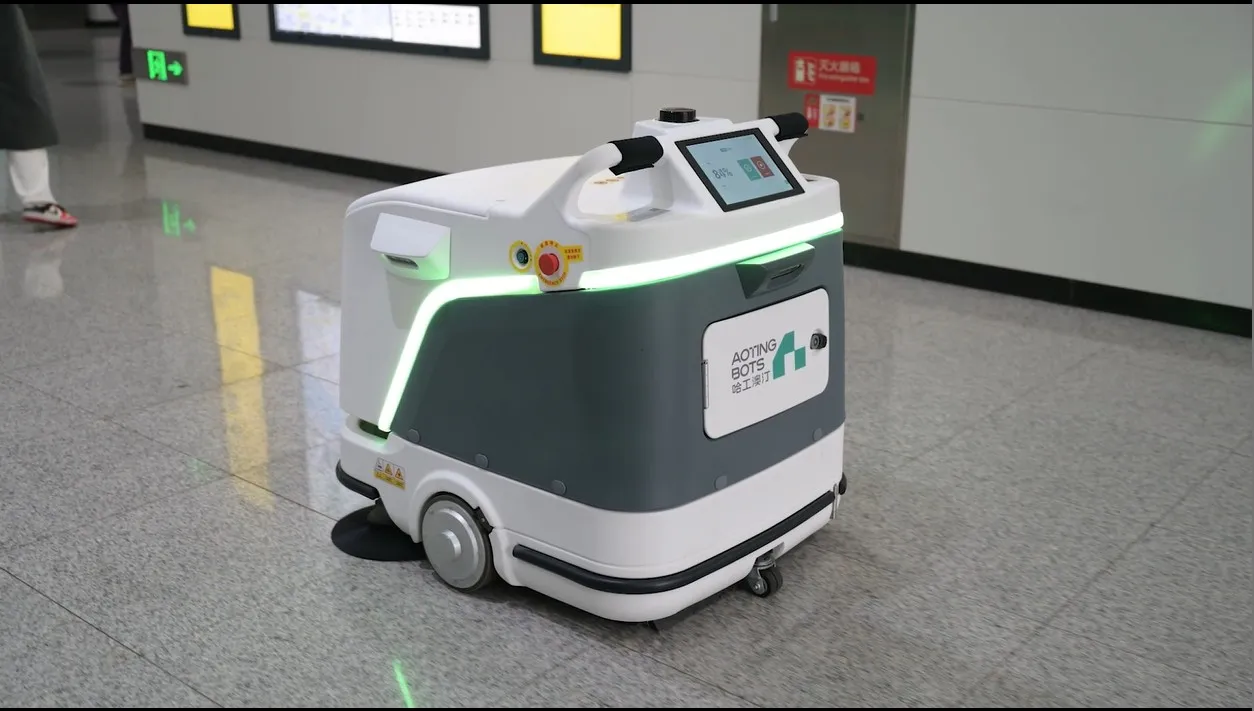
2. Convenient deployment and easy management: The robot supports one-click start and simple operation, eliminating the need for complex training and significantly lowering the technical threshold. Additionally, the robot does not require the deployment of water stations or the addition or replacement of water.
3. Enhancing safety: The adoption of water-free cleaning significantly reduces the risk of pedestrian falls caused by wet and slippery floors, ensuring passenger safety. At the same time, it avoids the stains caused by residual water traces, solving the problems of water treatment and secondary pollution in traditional cleaning methods.
4. Digital management: The cloud platform uploads and records the data of each cleaning session in real-time, allowing management personnel to intuitively understand the progress, coverage, and quality of cleaning
Results & Impact
1. Reducing operational costs: Robots have replaced some manual cleaning tasks, allowing the station to allocate the saved costs towards other facility maintenance and service optimization, thereby achieving a long-term reduction in overall operational costs.
2. Convenient deployment and easy management: The robot supports one-click start and simple operation, eliminating the need for complex training and significantly lowering the technical threshold. Additionally, the robot does not require the deployment of water stations or the addition or replacement of water.
3. Enhancing safety: The adoption of water-free cleaning significantly reduces the risk of pedestrian falls caused by wet and slippery floors, ensuring passenger safety. At the same time, it avoids the stains caused by residual water traces, solving the problems of water treatment and secondary pollution in traditional cleaning methods.
4. Digital management: The cloud platform uploads and records the data of each cleaning session in real-time, allowing management personnel to intuitively understand the progress, coverage, and quality of cleaning
User Reviews
"Robots keep the subway station floors clean all the time, ensuring safe movement for passengers. Cleaning is effortless and efficient."
-- A cleaner at a subway station
User Reviews
"Robots keep the subway station floors clean all the time, ensuring safe movement for passengers. Cleaning is effortless and efficient."
-- A cleaner at a subway station
we aim to become a global leader in manufacturer space service robotics and artificial intelligence.