



we aim to become a global leader in manufacturer space service robotics and artificial intelligence.
SEARCH WHAT YOU WANT
Cleaning Challenges
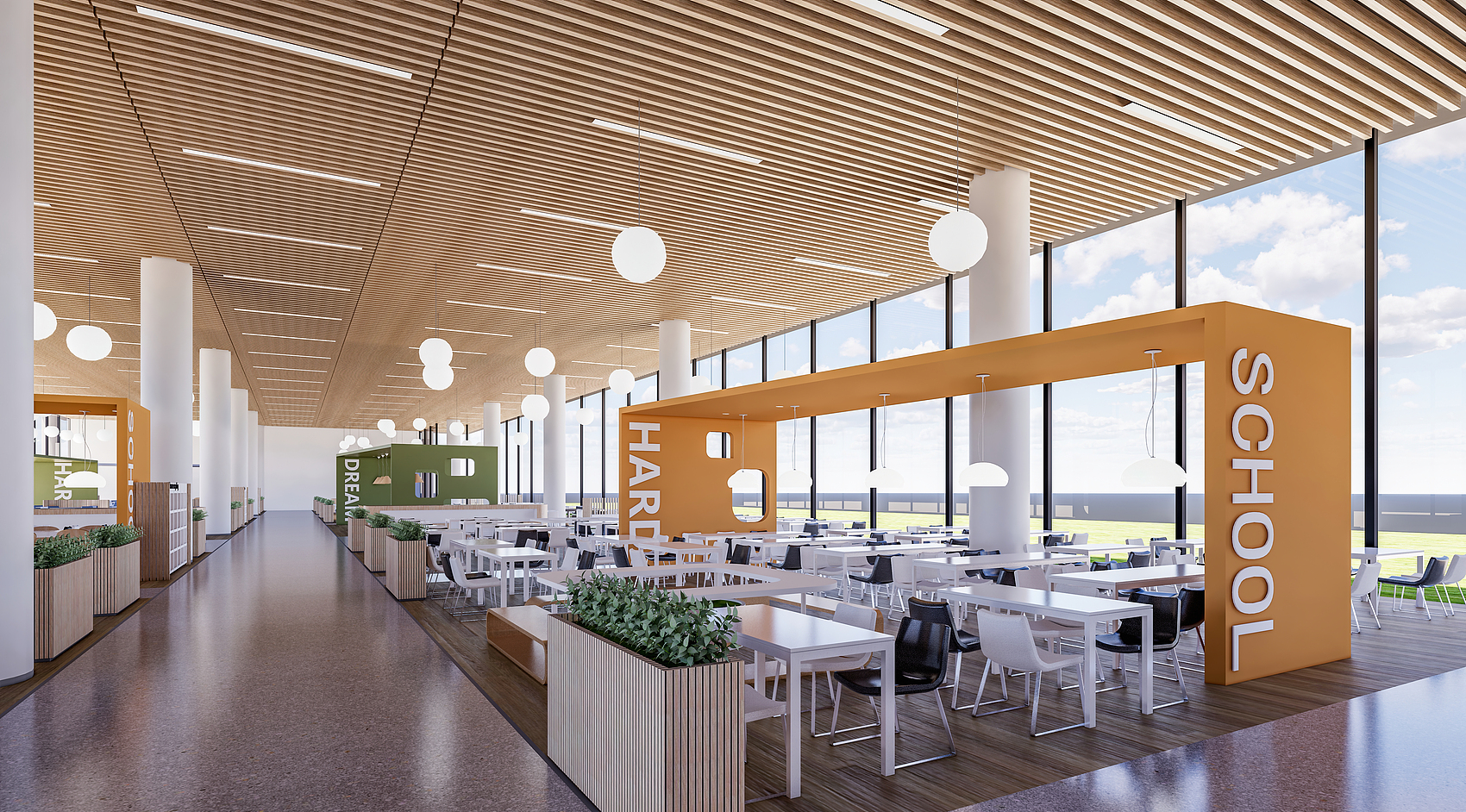
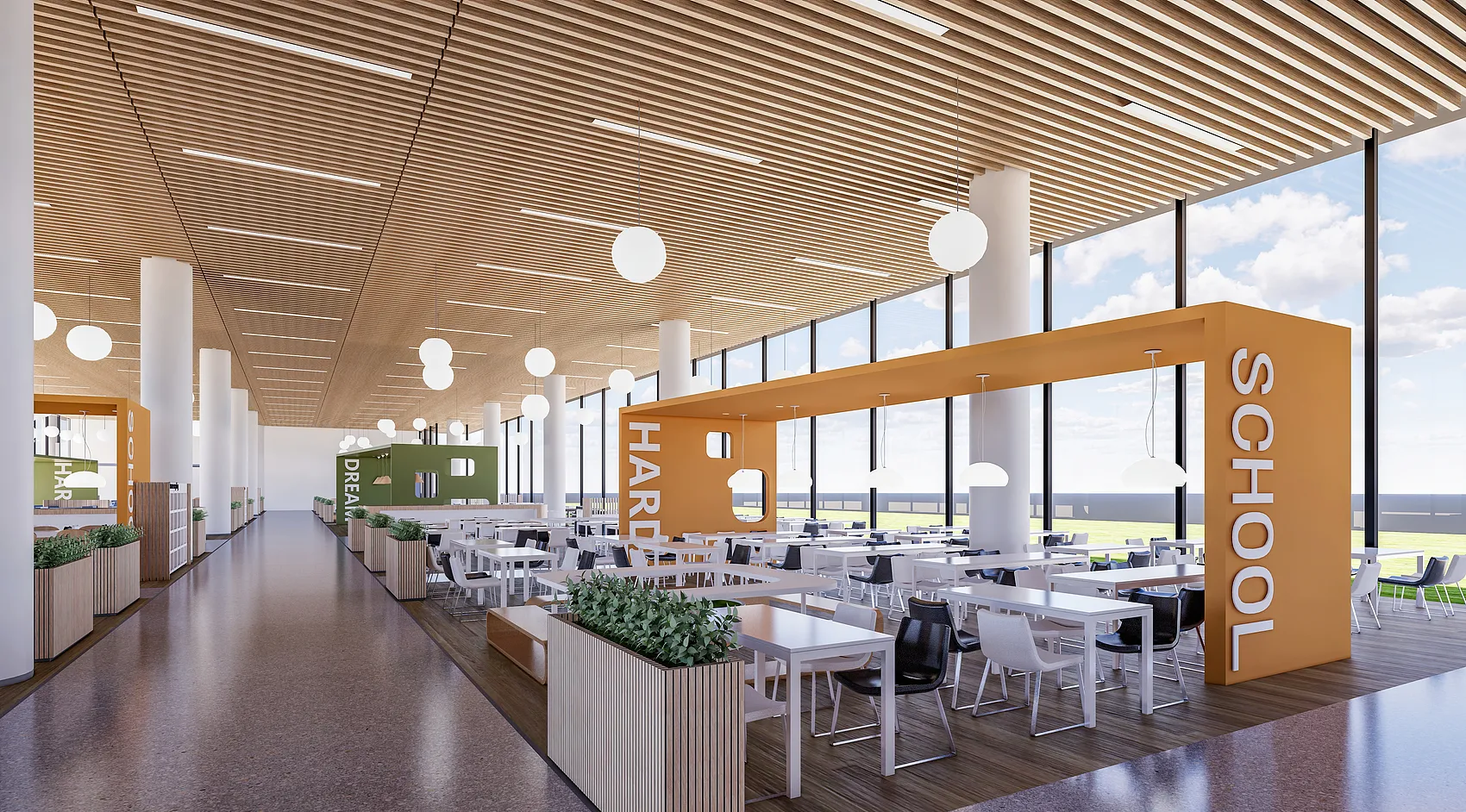
● Large cleaning area and high labor cost: Schools have a variety of building types, including teaching buildings, dining halls, office buildings, libraries, lounges, activity rooms, gymnasiums, and playgrounds, each with different cleaning methods. Therefore, a large number of cleaning personnel are required to maintain high standards of hygiene.
● High turnover of personnel and frequent cleaning: Due to the frequent entry and exit of teachers and students, there is a continuous influx of garbage and dirt on the ground. Cleaning personnel need to conduct frequent cleaning and maintenance to maintain the cleanliness of the campus.
● Tight cleaning schedule and high pressure on employees: To avoid affecting normal teaching activities, thorough cleaning work is usually arranged during breaks, lunch breaks, or after school. These periods are relatively short, and cleaning staff need to complete a large amount of cleaning tasks within a limited time, which is time-pressured. This results in high work pressure on cleaning staff.
● High requirements for cleaning safety: The campus is a densely populated learning environment, thus demanding strict cleaning safety measures. On one hand, odor-sensitive cleaning agents must not be used to avoid irritating the respiratory tracts of teachers and students or causing allergies. On the other hand, regular disinfection is necessary to reduce the spread of viruses. In public areas, water usage should be minimized, and floors should be cleaned and dried promptly to prevent slips and falls among teachers and students.
Cleaning Challenges
● Large cleaning area and high labor cost: Schools have a variety of building types, including teaching buildings, dining halls, office buildings, libraries, lounges, activity rooms, gymnasiums, and playgrounds, each with different cleaning methods. Therefore, a large number of cleaning personnel are required to maintain high standards of hygiene.
● High turnover of personnel and frequent cleaning: Due to the frequent entry and exit of teachers and students, there is a continuous influx of garbage and dirt on the ground. Cleaning personnel need to conduct frequent cleaning and maintenance to maintain the cleanliness of the campus.
● Tight cleaning schedule and high pressure on employees: To avoid affecting normal teaching activities, thorough cleaning work is usually arranged during breaks, lunch breaks, or after school. These periods are relatively short, and cleaning staff need to complete a large amount of cleaning tasks within a limited time, which is time-pressured. This results in high work pressure on cleaning staff.
● High requirements for cleaning safety: The campus is a densely populated learning environment, thus demanding strict cleaning safety measures. On one hand, odor-sensitive cleaning agents must not be used to avoid irritating the respiratory tracts of teachers and students or causing allergies. On the other hand, regular disinfection is necessary to reduce the spread of viruses. In public areas, water usage should be minimized, and floors should be cleaned and dried promptly to prevent slips and falls among teachers and students.
Cleaning Challenges
1. Significant improvement in cleaning quality: The robot can perform multiple high-frequency cleaning tasks according to the frequency of daily activities in the school, ensuring that the floors of all areas on campus remain clean and tidy at all times. At the same time, it reduces the workload of cleaning staff, allowing them to focus on key areas or special maintenance tasks.
2. Reduce carbon emissions and create a green campus: Robots require no water or chemicals, saving approximately 179.42 kg of carbon emissions and 7.8 tons of fresh water annually. This is equivalent to the annual water consumption of a household or the carbon absorption of eight trees in a year, thereby aiding schools in energy conservation and emission reduction.
3. Ultra-quiet operation: The noise level during operation is below 62 decibels, allowing flexible scheduling during breaks or at night with zero interference to teaching activities.
4. Achieved data-based management: By monitoring cleaning progress and quality in real-time through the cloud, it helps schools achieve data-based and visual management of cleaning operations.
5. Ensuring the health and safety of teachers and students: The robot adopts dry cleaning technology, effectively reducing dust and allergen residues, while avoiding potential safety hazards such as water accumulation on the floor and slipping, providing a safer and healthier campus environment for teachers and students.
Cleaning Challenges
1. Significant improvement in cleaning quality: The robot can perform multiple high-frequency cleaning tasks according to the frequency of daily activities in the school, ensuring that the floors of all areas on campus remain clean and tidy at all times. At the same time, it reduces the workload of cleaning staff, allowing them to focus on key areas or special maintenance tasks.
2. Reduce carbon emissions and create a green campus: Robots require no water or chemicals, saving approximately 179.42 kg of carbon emissions and 7.8 tons of fresh water annually. This is equivalent to the annual water consumption of a household or the carbon absorption of eight trees in a year, thereby aiding schools in energy conservation and emission reduction.
3. Ultra-quiet operation: The noise level during operation is below 62 decibels, allowing flexible scheduling during breaks or at night with zero interference to teaching activities.
4. Achieved data-based management: By monitoring cleaning progress and quality in real-time through the cloud, it helps schools achieve data-based and visual management of cleaning operations.
5. Ensuring the health and safety of teachers and students: The robot adopts dry cleaning technology, effectively reducing dust and allergen residues, while avoiding potential safety hazards such as water accumulation on the floor and slipping, providing a safer and healthier campus environment for teachers and students.
User Reviews
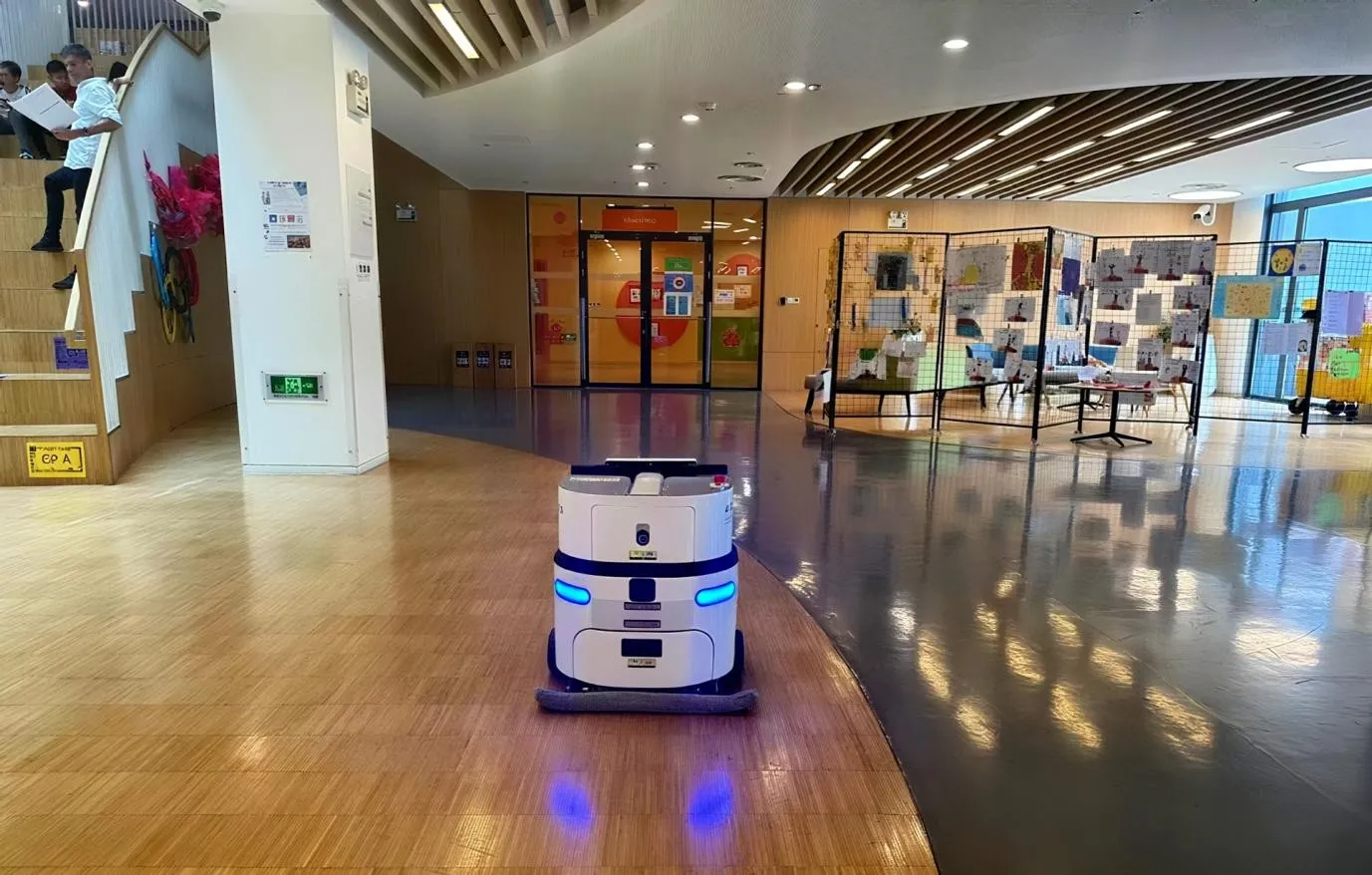
"The introduction of Aotian robots has made the cleaning work in our school's activity center more efficient, and has also enhanced the technological feel of the school. The students absolutely love it and often greet it." - Property management staff of a certain school.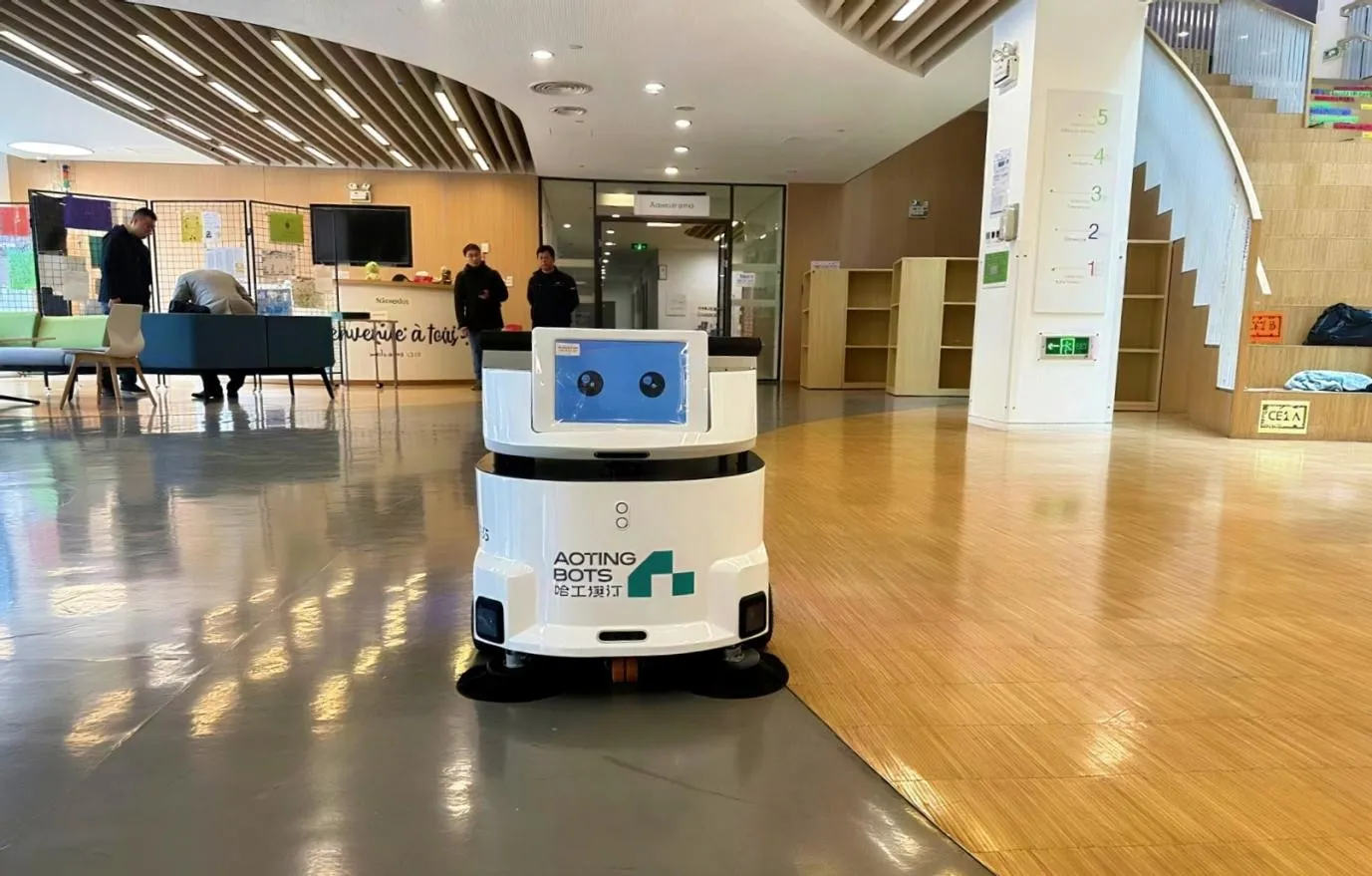
User Reviews
"The introduction of Aotian robots has made the cleaning work in our school's activity center more efficient, and has also enhanced the technological feel of the school. The students absolutely love it and often greet it." - Property management staff of a certain school.
we aim to become a global leader in manufacturer space service robotics and artificial intelligence.