




we aim to become a global leader in manufacturer space service robotics and artificial intelligence.
SEARCH WHAT YOU WANT
Cleaning Challenges
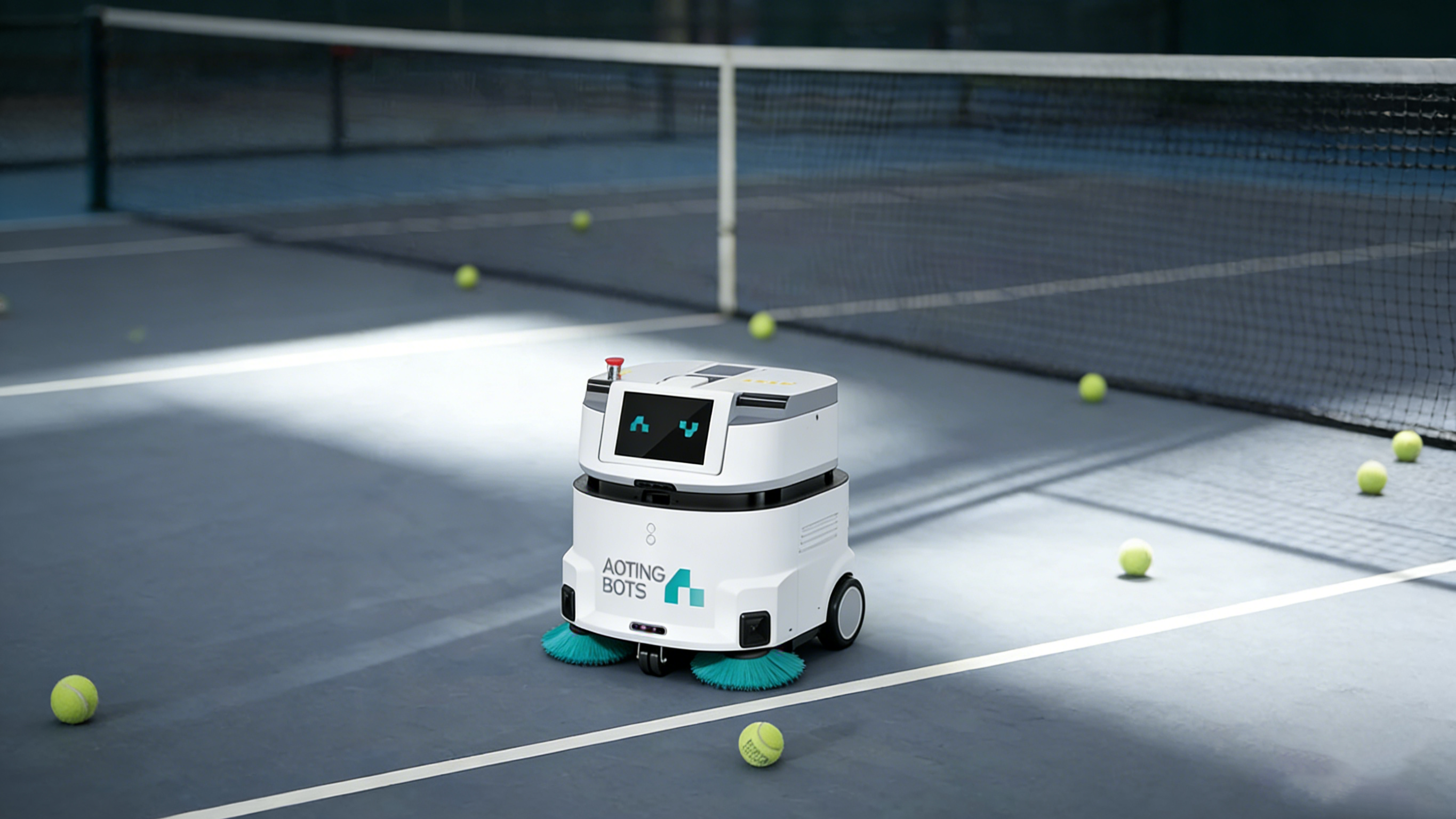
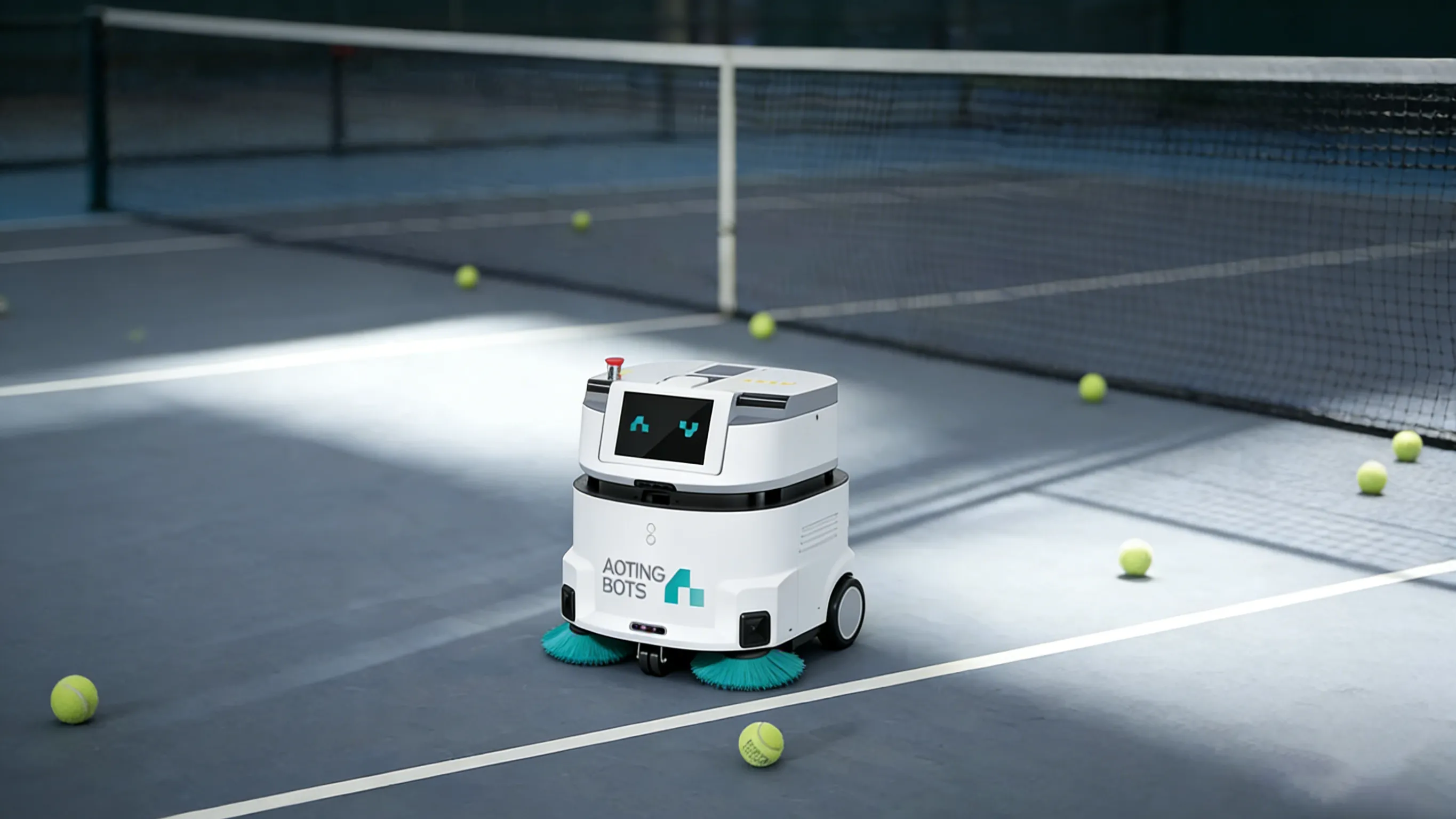
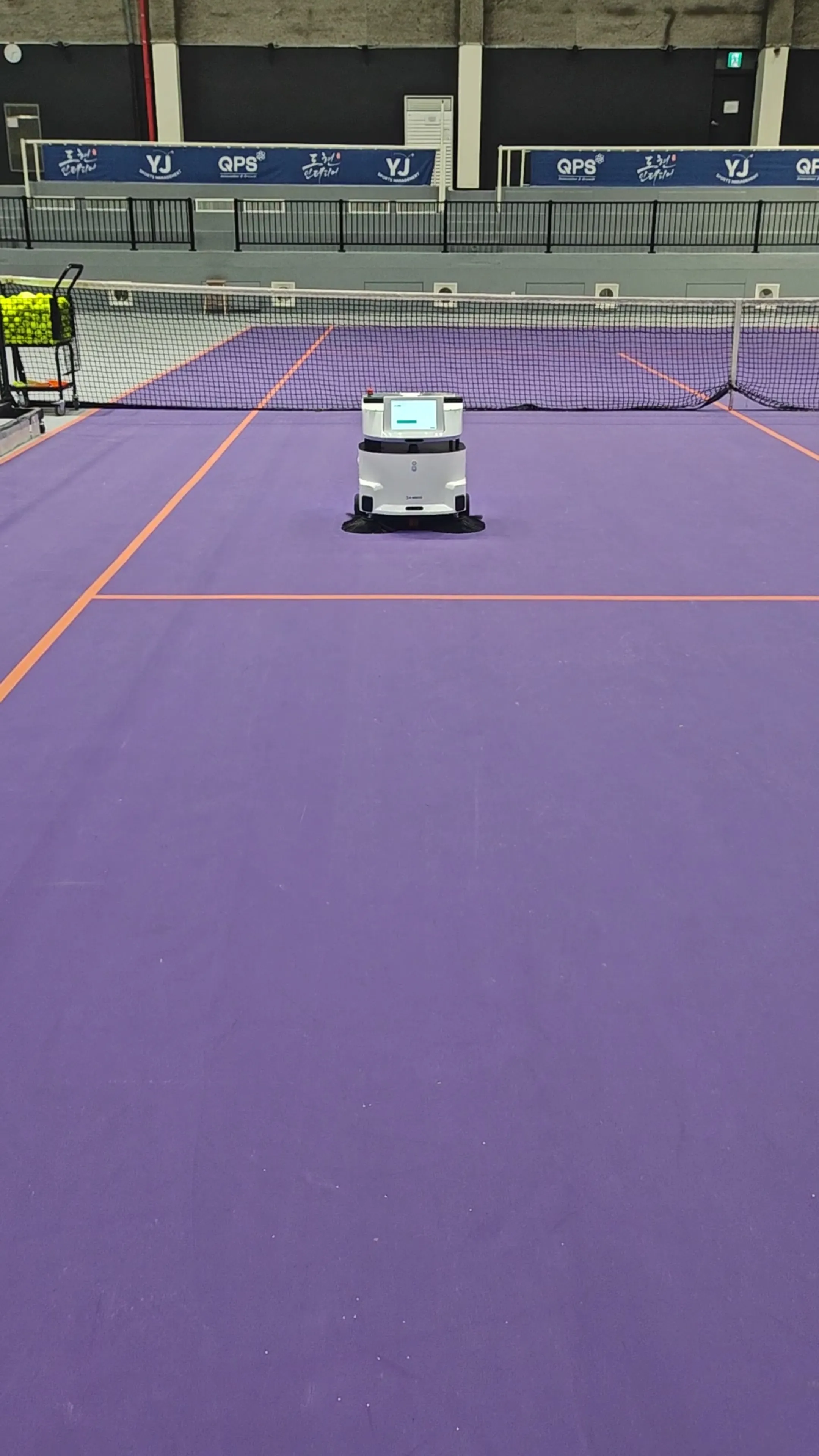
● Ground dust and particulate matter tend to accumulate in large quantities: During high-frequency hitting, running, and friction on indoor tennis courts, ground materials (such as PVC, acrylic, or synthetic rubber) are prone to generating fine dust. Meanwhile, sand and dust brought in by tennis shoes continue to accumulate, affecting the cleanliness of the court and the sports experience.
● Flooring material expertise: Tennis courts have strict requirements for friction coefficient and flatness. Improper cleaning methods can easily lead to slipping, dusting, or degradation of floor performance. Traditional wet mopping or unsuitable cleaning agents pose potential risks.
● High pedestrian flow and stringent safety requirements: With students and athletes frequently entering and exiting the venue, any water stains, residual particles, or interference from cleaning equipment could potentially cause slips or sports injuries. Therefore, the safety and stability of cleaning operations are of utmost importance.
● Cleaning noise interferes with the operation of tennis courts: Indoor tennis courts emphasize focus and a quiet environment. Traditional cleaning equipment generates loud noise, which can easily interfere with training and competitions. How to complete cleaning without affecting the user experience is a long-standing challenge for operators.
Cleaning Challenges
● Ground dust and particulate matter tend to accumulate in large quantities: During high-frequency hitting, running, and friction on indoor tennis courts, ground materials (such as PVC, acrylic, or synthetic rubber) are prone to generating fine dust. Meanwhile, sand and dust brought in by tennis shoes continue to accumulate, affecting the cleanliness of the court and the sports experience.
● Flooring material expertise: Tennis courts have strict requirements for friction coefficient and flatness. Improper cleaning methods can easily lead to slipping, dusting, or degradation of floor performance. Traditional wet mopping or unsuitable cleaning agents pose potential risks.
● High pedestrian flow and stringent safety requirements: With students and athletes frequently entering and exiting the venue, any water stains, residual particles, or interference from cleaning equipment could potentially cause slips or sports injuries. Therefore, the safety and stability of cleaning operations are of utmost importance.
● Cleaning noise interferes with the operation of tennis courts: Indoor tennis courts emphasize focus and a quiet environment. Traditional cleaning equipment generates loud noise, which can easily interfere with training and competitions. How to complete cleaning without affecting the user experience is a long-standing challenge for operators.
Results & Impact
1. Significant improvement in site cleanliness: Through high-frequency, standardized daily cleaning operations, ground dust, sand particles, and impurities are continuously removed, ensuring the site is always kept in a good and clean state, effectively reducing dusting and slippery conditions.
2. Ensure ground performance and prolong the service life of the venue: Adopt dry cleaning methods to avoid water residue and improper friction, maintain the original friction coefficient and flatness of the ground, and reduce performance degradation and maintenance costs caused by improper cleaning.
3. Enhance safety standards and mitigate sports and operational risks: By maintaining the ground in a dry and debris-free state for extended periods, the risk of slips and sports injuries is significantly reduced. This, in turn, diminishes disputes and operational pressures arising from safety incidents, thereby providing more reliable protection for venue management.
4. Optimize management image and enhance professionalism and technological feel of venues: Intelligent cleaning methods have improved the professionalization and modernization level of venue operations, not only enhancing the overall experience of athletes and members, but also helping to shape a high-standard and intelligent brand image, and strengthening user loyalty and word-of-mouth communication.
Results & Impact
1. Significant improvement in site cleanliness: Through high-frequency, standardized daily cleaning operations, ground dust, sand particles, and impurities are continuously removed, ensuring the site is always kept in a good and clean state, effectively reducing dusting and slippery conditions.
2. Ensure ground performance and prolong the service life of the venue: Adopt dry cleaning methods to avoid water residue and improper friction, maintain the original friction coefficient and flatness of the ground, and reduce performance degradation and maintenance costs caused by improper cleaning.
3. Enhance safety standards and mitigate sports and operational risks: By maintaining the ground in a dry and debris-free state for extended periods, the risk of slips and sports injuries is significantly reduced. This, in turn, diminishes disputes and operational pressures arising from safety incidents, thereby providing more reliable protection for venue management.
4. Optimize management image and enhance professionalism and technological feel of venues: Intelligent cleaning methods have improved the professionalization and modernization level of venue operations, not only enhancing the overall experience of athletes and members, but also helping to shape a high-standard and intelligent brand image, and strengthening user loyalty and word-of-mouth communication.
User Reviews
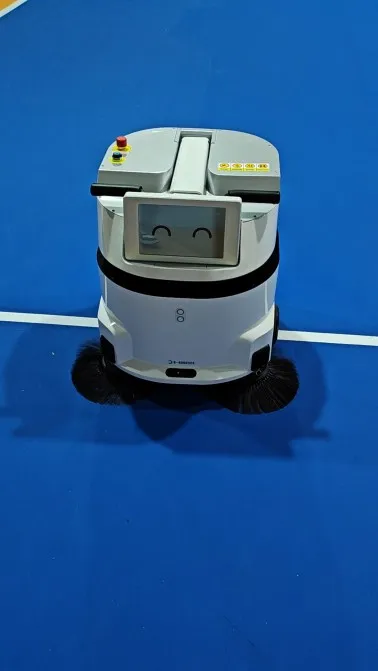
"The venue is cleaner and safer, and the cleaning doesn't affect training. Overall management has become significantly more professional." - Cleaning staff of an indoor tennis court
 |
 |
User Reviews
"The venue is cleaner and safer, and the cleaning doesn't affect training. Overall management has become significantly more professional." - Cleaning staff of an indoor tennis court
|
|
we aim to become a global leader in manufacturer space service robotics and artificial intelligence.